
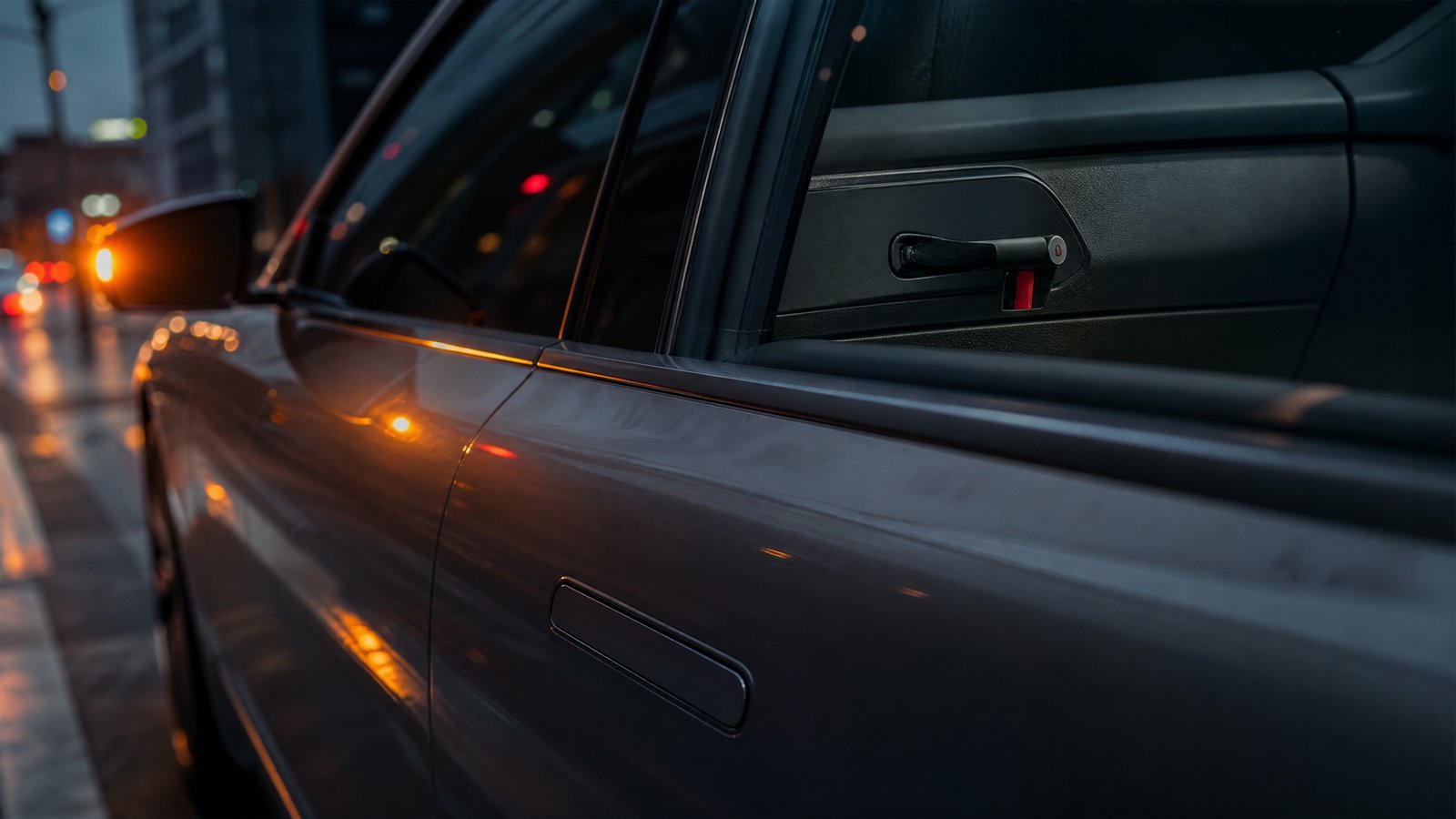

The United States road safety regulator has taken the first formal step toward possible new rules designed to ensure vehicle occupants can always exit their cars, even if electrical systems fail. The National Highway Traffic Safety Administration (NHTSA) said in a regulatory filing that it has granted a petition to begin rulemaking on emergency door egress, a move that follows a series of incidents — including fatal ones — in which people were unable to get out of vehicles fitted with flush, electronically operated door handles such as those used by Tesla.
NHTSA stressed that the decision initiates a process rather than sets a final policy. In an official statement, the agency said that granting a rulemaking petition “is not a decision by NHTSA to issue a new safety standard, but commences the process of gathering input” under the Vehicle Safety Act. The next stage involves collecting data, seeking public comment and assessing whether formal safety requirements are warranted.
What NHTSA is doing
The action responds to a petition focused on the emergency mechanical door release design on 2022 Tesla Model 3 vehicles. Petitioners argued the release mechanism does not comply with existing federal motor vehicle standards. NHTSA declined to open a defect investigation into the Model 3 release and instead granted the petition to commence rulemaking — indicating the agency believes any potential remedy, if needed, is best addressed through changes to overall standards rather than a manufacturer-specific defect probe.
Beginning rulemaking enables NHTSA to set out proposed requirements for all manufacturers, take technical evidence from industry and safety advocates, and consider cost–benefit implications. Any eventual standard would typically apply to new vehicles sold in the US, but NHTSA has underlined that no decision has been made on whether a new standard is appropriate.
Why door handles are under scrutiny
Flush, electronically actuated exterior door handles have proliferated on newer models as carmakers chase aerodynamic gains, cleaner styling and security features. However, these designs can introduce failure modes if power is interrupted or low. Less than a year before the latest filing, NHTSA opened a separate investigation into Tesla door handles after receiving nine reports from owners who were unable to get into their cars, in some instances with children still inside. In its initial review, the agency found the handles may not function if electronic door locks do not receive sufficient voltage from the vehicle’s battery system.
In vehicles that use powered handles or latches, manufacturers typically provide manual releases for emergencies. Placement, visibility and user familiarity with those manual mechanisms have become key points in the debate. The incidents that prompted the petition and NHTSA’s broader focus include cases where occupants reportedly became stuck inside cars with powered handles, raising questions about whether existing rules adequately address egress when electrical systems are compromised.
How carmakers are responding
Tesla’s chief designer, Franz von Holzhausen, said the company has been working on a redesign of its door handles. While Tesla vehicles include manual door releases inside the cabin, the company has faced questions about the visibility and usability of those releases during emergencies. Tesla has not publicly detailed the redesign, but any change would likely need to ensure clear, intuitive operation regardless of vehicle power state.
Rivian has also indicated adjustments. The company said it is changing the interior door handle design on its R2 SUV to place the manual release in a more visible location, closer to the electrically powered handle. That repositioning aims to reduce confusion in time-critical situations by aligning the powered and mechanical controls more clearly.
What happens next
NHTSA’s rulemaking pathway typically involves several stages: publishing a notice to gather information, developing any proposed rule, inviting public and industry comment, and then deciding whether to issue a final standard. Timelines can vary considerably depending on the technical complexity and the volume of evidence. The agency has emphasised that commencing rulemaking does not mean a new regulation will follow; it signals that the topic merits structured evidence-gathering under the Vehicle Safety Act framework.
Should NHTSA ultimately adopt a new requirement, it would set out performance or design criteria for egress in the event of electrical power failure. The goal would be to ensure occupants can reliably exit vehicles and that rescuers can gain access when needed. The scope could encompass visibility and labelling of manual releases, redundancy in latching systems, or performance thresholds for powered components — areas likely to be tested through the public comment process and technical analyses.
Implications for the UK and Europe
While this is a US-specific regulatory step, developments in the world’s largest car markets often influence global vehicle design and supplier practices. Any eventual US standard on door egress could feed into future model updates that reach the UK, given the common architectures and components used by multinational manufacturers. However, the move does not itself change UK law or existing European requirements.
In Europe, a wide package of general safety measures for new cars has recently come into force, reflecting a broader push to harden vehicles against both physical and digital risks. For background on how those measures are rolling out and what they mean for UK motorists, see our coverage of new EU car safety rules taking effect and the UK’s cyber resilience pledge. Any US changes on door egress would sit alongside, rather than replace, these frameworks.
What drivers can do now
For owners of vehicles with powered door handles or latches, the practical takeaway is to familiarise yourself with your car’s emergency mechanical release and any relevant instructions in the owner’s manual. NHTSA’s initial findings suggest low or interrupted voltage can affect powered locks, so understanding how to operate mechanical overrides can save valuable time in an emergency. Manufacturers may also issue design updates or guidance as their own reviews progress.
The bottom line
NHTSA has moved the debate over powered door handle safety into the rulemaking arena, where evidence from automakers, safety experts and the public will determine whether new standards are justified. The decision reflects growing scrutiny of how modern, electronically controlled features perform under fault conditions — and whether their fail-safes are obvious and reliable for all occupants. For now, no new rule is in place, but the process is under way and could shape the design of future vehicles sold in the US and, by extension, in other markets.
Official information on the rulemaking process and vehicle safety standards can be found via NHTSA. Company statements and product information are available from Tesla and Rivian.







