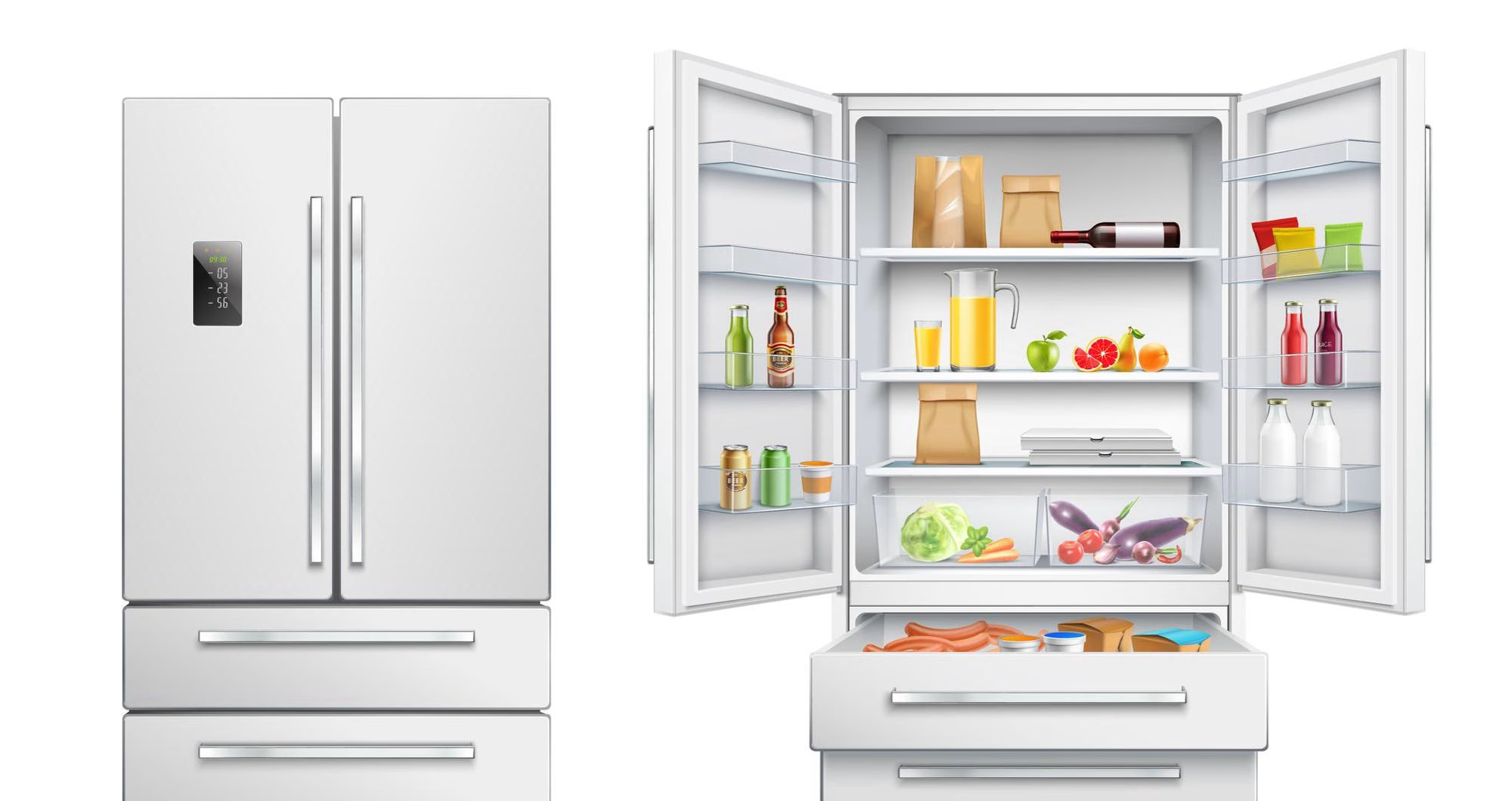

Commercial kitchens, restaurants, and food service operations rely on efficient refrigeration to maintain food safety and streamline workflow. Among the most common refrigeration units in these settings is the reach-in refrigerator. Its popularity stems from its accessibility, reliability, and suitability for high-volume environments. Understanding what a reach-in refrigerator is, its types, costs, and uses can help business owners make informed purchasing decisions.
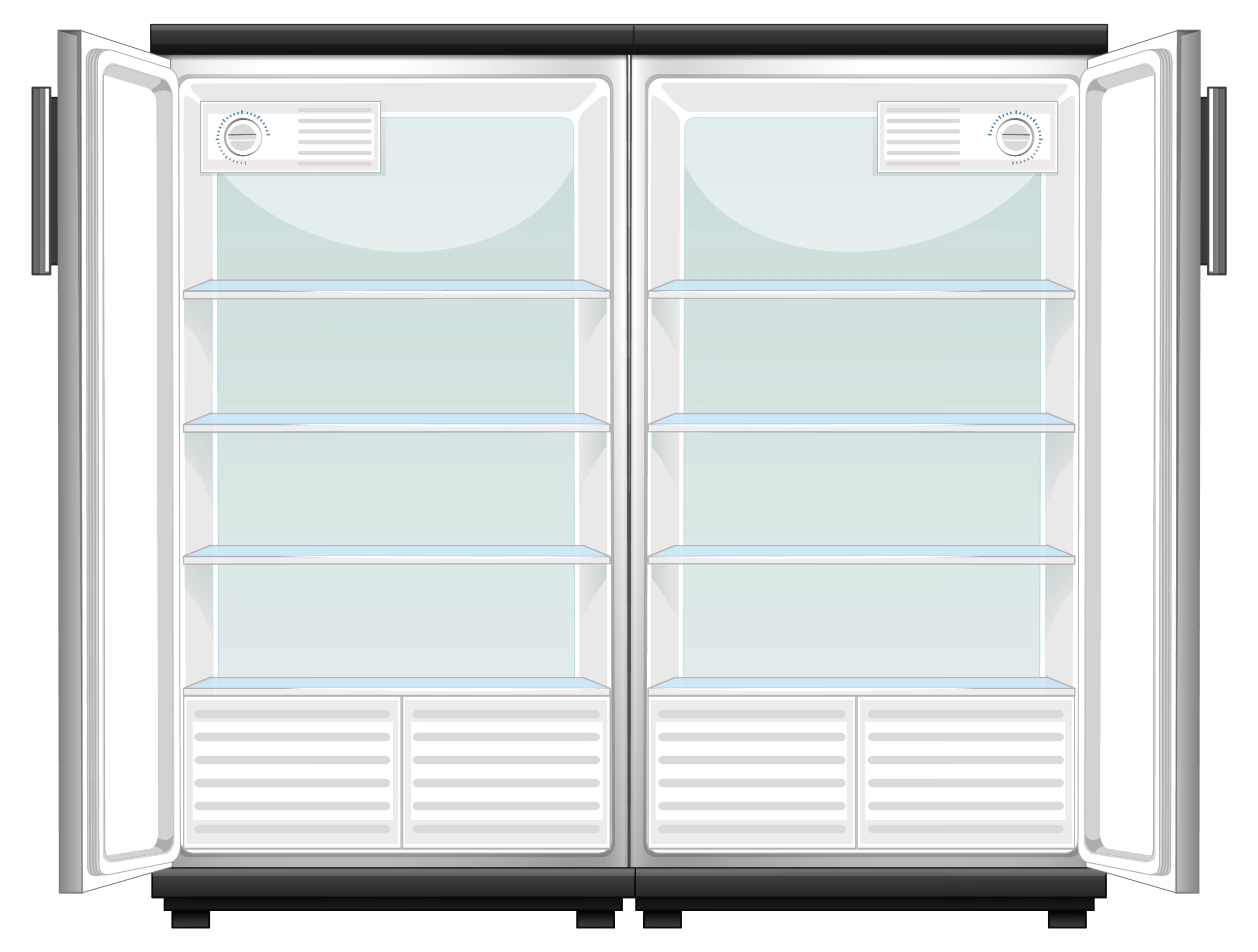
Definition of a reach-in refrigerator
A reach-in refrigerator is a vertical refrigeration unit designed for easy access to stored food and beverages. Unlike walk-in refrigerators that require entering a separate room, reach-in refrigerators allow staff to “reach in” through doors to retrieve items quickly. These units typically feature multiple shelves, allowing organised storage of various ingredients and prepared items.
Key features of a reach-in refrigerator include:
- Vertical design: Maximises storage space without occupying too much floor area.
- Adjustable shelving: Accommodates items of different sizes and improves organisation.
- Temperature control: Maintains consistent cooling for food safety.
- Exterior and interior options: Stainless steel exteriors are common for durability, while interiors may include corrosion-resistant materials.
Reach-in refrigerators are ideal for facilities that need easy access to ingredients throughout the day without disrupting kitchen workflow.
Types of reach-in refrigerators
Reach-in refrigerators come in various configurations depending on specific business needs. Understanding the types can help you choose the most suitable unit:
1. Single-door reach-in refrigerators
- Compact and suitable for smaller kitchens or limited floor space.
- Typically have one vertical door and 2–4 shelves inside.
- Ideal for storing frequently used items like dairy, vegetables, or condiments.
2. Double-door reach-in refrigerators
- Larger storage capacity with two doors for easy access.
- Common in medium to large commercial kitchens.
- Allows better organisation by separating different types of food items.
3. Three-door or multi-door reach-in refrigerators
- Designed for high-volume operations like catering facilities, hotels, or supermarkets.
- Provides maximum storage while maintaining easy access to all sections.
- Ideal for operations that need to store large quantities of perishable items.
4. Glass-door reach-in refrigerators
- Feature tempered glass doors for easy visibility without opening the unit.
- Common in retail environments such as convenience stores, cafes, or beverage stations.
- Helps reduce energy loss since staff can locate items before opening doors.
5. Undercounter reach-in refrigerators
- Designed to fit under counters for compact spaces.
- Common in smaller kitchens or bars.
- Offers convenient access to ingredients while saving floor space.
Cost of reach-in refrigerators
The price of a reach-in refrigerator varies based on size, features, and brand. Understanding the factors that influence cost helps you budget effectively.
- Small single-door units: Typically range from $1,000 to $2,500 USD.
- Double-door commercial units: Can range from $2,500 to $5,000 USD.
- Multi-door or high-capacity models: May cost $5,000 to $10,000 USD or more.
- Glass-door models: Often carry a premium due to visibility features, ranging from $3,000 to $7,000 USD.
- Undercounter units: Generally more affordable, ranging from $1,200 to $3,000 USD.
Additional costs may include installation, maintenance, and energy consumption. Investing in energy-efficient units can save money over the long term by reducing electricity bills.
Uses of reach-in refrigerators
Reach-in refrigerators are versatile and serve multiple purposes in commercial settings:
1. Food storage in restaurants
- Stores ingredients like vegetables, meats, dairy, and sauces.
- Ensures that perishable items remain fresh and safe for consumption.
- Facilitates easy access for chefs during busy service hours.
2. Catering and event services
- Allows caterers to organise ingredients and prepared dishes efficiently.
- Multi-door units provide sectioned storage for large events.
- Maintains food safety during transportation and event preparation.
3. Healthcare and laboratories
- Used for storing temperature-sensitive medicines, vaccines, and samples.
- Ensures strict compliance with temperature control requirements.
- Glass-door models allow for quick visual inspections without opening the unit.
4. Retail and convenience stores
- Ideal for storing drinks, sandwiches, and pre-packaged items.
- Glass-door reach-in refrigerators help customers quickly locate products.
- Enhances product visibility and encourages sales.
5. Educational and institutional kitchens
- Schools, universities, and corporate cafeterias use reach-in refrigerators for meal preparation.
- Multiple compartments help in organising food for bulk service.
- Ensures compliance with food safety regulations for student or staff meals.
Factors to consider before buying a reach-in refrigerator
To maximise the benefits of your investment, consider these key factors before purchasing:
- Size and capacity: Evaluate your kitchen space and storage needs. Avoid oversizing, which wastes energy, or undersizing, which limits efficiency.
- Temperature range: Ensure the unit maintains proper cooling for your specific food or products.
- Energy efficiency: Look for Energy Star-rated units to reduce operating costs.
- Ease of cleaning: Stainless steel interiors and removable shelves simplify cleaning and maintenance.
- Durability: Commercial kitchens demand robust construction to withstand frequent use.
- Warranty and Support: Reliable brands often offer warranties and responsive service for repairs and replacement parts.
By considering these factors, you can choose a reach-in refrigerator that improves workflow, maintains food safety, and provides long-term value.
Conclusion
Reach-in refrigerators are indispensable in commercial kitchens, healthcare facilities, retail stores, and catering operations. Their accessibility, versatility, and organisational capacity make them a cornerstone of efficient refrigeration. Understanding the different types, cost ranges, uses, and selection factors ensures that businesses choose the right unit for their specific needs.
For business owners and facility managers looking for commercial reach in refrigerators, working with reputable suppliers ensures access to high-quality, energy-efficient units that meet industry standards. Investing in the right reach-in refrigerator not only supports food safety and regulatory compliance but also streamlines operations, saving time and improving efficiency in busy environments.
Feature Image by macrovector from FreePik