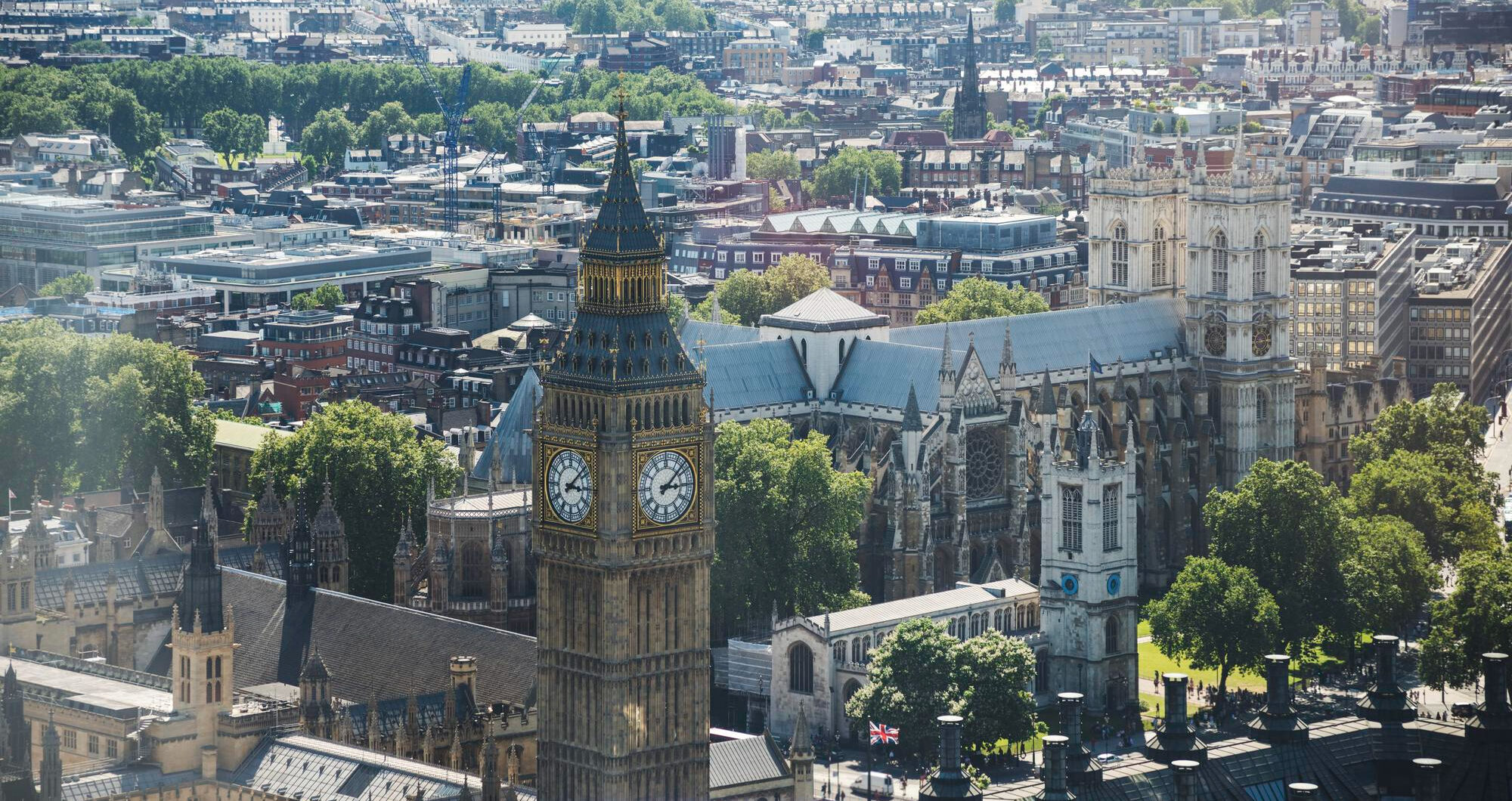

London does not preserve its history by accident. It does so through proximity, habit, and quiet confidence. Roman walls sit beside modern offices. Medieval churches remain part of the daily commute. History here is neither hidden nor over-explained. It simply exists as part of the city’s fabric.
That approach offers a useful lesson for American cities still grappling with how to balance growth and preservation. The places that succeed are rarely those with the largest visitor centres. They are the ones that keep history visible, walkable, and explained by people who understand it.
History Works Best on Foot
One of London’s enduring strengths is that history unfolds at street level. You do not need a coach tour to understand the Great Fire, the Blitz, or the city’s expansion across centuries. Those stories reveal themselves through alleyways, parish churches, street names, and neighbourhood boundaries.
Walking creates continuity. It allows people to connect events across time without being instructed to do so. When history is confined to exhibitions, it can feel remote. When it lives in the streets, it becomes instinctive.
This philosophy is reflected in how Visit London promotes the city, emphasising neighbourhood exploration and local walks rather than spectacle.
Context Matters More Than Monuments
London does not rely on monuments alone to tell its story. Context carries much of the weight. A modest blue plaque can be as revealing as a statue. A knowledgeable guide can offer more insight than an entire display panel.
Preserving history is not simply about saving buildings. It is about preserving meaning. Without explanation, even the most impressive structure risks becoming little more than scenery.
Organisations such as English Heritage have long understood this, pairing conservation with interpretation that connects places to the people and events that shaped them.
American Cities Are Relearning an Old Lesson
In the United States, decades of urban renewal erased history faster than it recorded it. Entire neighbourhoods vanished in the name of progress. Only recently have cities begun to reckon with what was lost.
Some are now correcting course by investing in neighbourhood-based storytelling and walking experiences that place people inside the narrative rather than outside it.
Nashville offers a telling example. Known internationally for music, the city also holds layered histories of Indigenous settlement, the Civil War, Reconstruction, segregation, and rapid modern expansion. Rather than isolating those stories inside a single institution, locally led walking tours have emerged as a way to preserve and explain history where it happened.
Groups such as Nashville Adventures use the city itself as the primary source, an approach closely aligned with London’s long-standing model.
Local Voices Outlast Infrastructure
London benefits from continuity. Stories pass informally through generations, reinforcing what archives record. Even when buildings change, memory often remains.
American cities, shaped by migration and redevelopment, rarely enjoy that luxury. In those cases, trained local guides and historians become the bridge between written records and lived experience.
When storytelling is rooted in place and delivered by people who know the ground, history becomes orientation rather than information.
Preservation Is Also a Practical Choice
London’s relationship with history is not only cultural. It is economic. Visitors come precisely because the city feels layered rather than curated.
American cities sometimes treat preservation as a constraint. Yet places that foreground authentic, walkable history tend to encourage longer stays, repeat visits, and deeper engagement. Small group walking experiences, in particular, offer a sustainable way to protect heritage without diluting it.
A Lesson Worth Borrowing
London’s success lies partly in restraint. It does not overproduce its past. It allows history to speak through streets, stories, and human explanation.
American cities hoping to preserve their heritage would do well to follow this example. Keep history where it happened. Let people walk it. Let locals explain it. In doing so, cities do more than protect old buildings. They maintain a sense of place that development alone can never replace, ensuring history remains both accessible and alive for future generations.