
Investing in new golf equipment can be an exciting step for players looking to improve their performance on the course. Whether you are a beginner building your first kit or an experienced golfer upgrading your gear, making the right choices is essential. Golf equipment can be a significant investment, so it’s important to consider several factors before making a purchase.
By taking a thoughtful approach, you can ensure that your equipment not only suits your playing style but also supports long-term improvement.
Understanding Your Skill Level
One of the first things to consider when investing in new golf equipment is your current skill level. Beginners, intermediate players, and advanced golfers all have different needs when it comes to clubs and accessories.
For those new to the game, forgiving clubs that offer greater control and consistency are often the best choice. More experienced players may prefer equipment that provides greater precision and allows for more control over shots.
Choosing equipment that matches your ability level can make a noticeable difference in both performance and enjoyment on the course.
Identifying Your Playing Style
Every golfer has a unique playing style, and your equipment should reflect that. Factors such as swing speed, shot preference, and typical course conditions all play a role in determining the most suitable equipment.
For example, players with slower swing speeds may benefit from clubs designed to maximise distance and forgiveness, while those with faster swings might prioritise control and accuracy.
Understanding how you play the game helps ensure that your investment is tailored to your individual needs rather than a one-size-fits-all solution.
Considering Club Composition and Quality
The quality and composition of golf clubs can vary significantly. Materials, design, and technology all contribute to how a club performs. Modern equipment often incorporates advanced features aimed at improving distance, accuracy, and consistency.
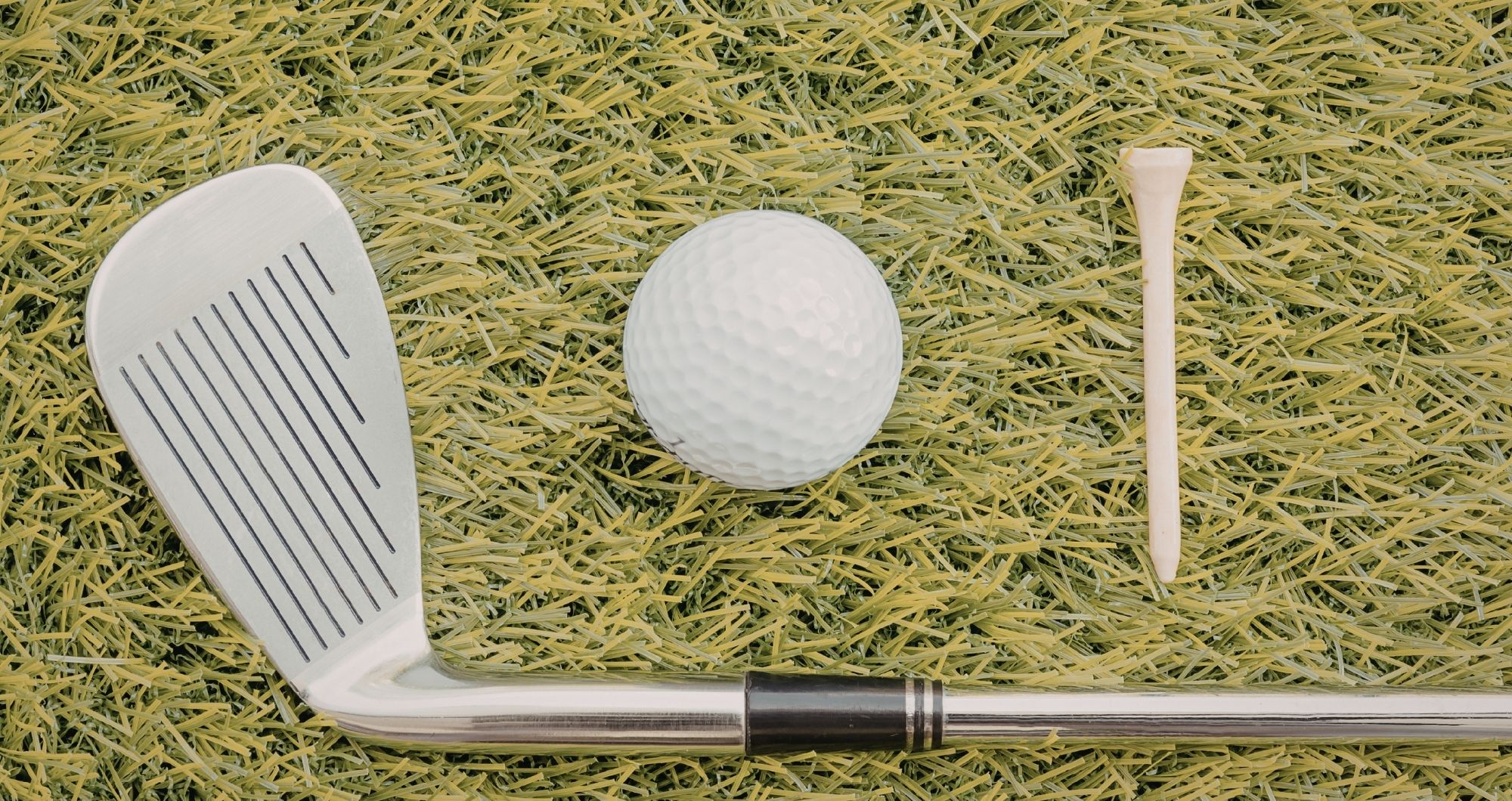
When exploring Golf Club Sets, it’s important to consider the balance between performance and durability. A well-made set can last for years and provide consistent results, making it a worthwhile investment.
Pay attention to the construction of each club, including the shaft material, grip quality, and overall design. These elements can influence both comfort and performance during play.
Getting Proper Fitting and Customisation
One of the most overlooked aspects of buying golf equipment is proper fitting. Clubs that are not suited to your height, swing, or posture can negatively affect your game, regardless of their quality.
Professional fitting ensures that your clubs are tailored to your specific requirements. This includes adjusting shaft length, lie angle, and grip size to match your physical characteristics and playing style.
Customisation can make a significant difference in how comfortable and effective your equipment feels, helping you achieve more consistent results.
Setting a Realistic Budget
Golf equipment is available at a wide range of price points, so setting a realistic budget is an important step. While it may be tempting to opt for the latest high-end models, it’s essential to focus on value rather than just brand or price.
Investing in quality equipment that suits your needs is often more beneficial than purchasing expensive items that do not align with your playing style. There are many options available that offer excellent performance without exceeding your budget.
Planning your investment carefully allows you to prioritise key items while still maintaining financial balance.
Evaluating Technological Features
Modern golf equipment often includes advanced technology designed to enhance performance. Features such as improved weight distribution, aerodynamic designs, and innovative materials can all contribute to better results on the course.
While these advancements can be beneficial, it’s important to understand how they apply to your game. Not every feature will be relevant to every player, so focusing on what genuinely improves your performance is key.
Taking the time to research and compare different options can help you make a more informed decision.
Testing Before You Buy
Whenever possible, it’s advisable to test equipment before making a purchase. Trying out different clubs allows you to get a feel for how they perform and whether they suit your style of play.
Many retailers and golf facilities offer demo sessions or trial opportunities, giving you the chance to compare options side by side. This hands-on approach can provide valuable insights that are difficult to gain from specifications alone.
Testing equipment helps ensure that your investment meets your expectations and delivers the desired results.
Long-Term Value and Durability
When investing in golf equipment, it’s important to think beyond immediate performance. Durability and long-term value should also be considered.
High-quality equipment that withstands regular use can provide better value over time, reducing the need for frequent replacements. Proper care and maintenance will also help extend the lifespan of your clubs and accessories.
Choosing reliable equipment ensures that your investment continues to support your game for years to come.
Final Thoughts
Investing in new golf equipment is an opportunity to enhance your performance and enjoyment of the game. By considering factors such as skill level, playing style, quality, and budget, you can make informed decisions that align with your goals.
Taking the time to research, test, and select the right equipment ensures that your investment delivers real value. With the right approach, your golf gear can become a valuable asset, helping you improve your game and get the most out of every round.