
Residents, families and workers stepped inside White City’s research and innovation campus this week as a two-day public showcase turned laboratories, demonstrations and creative workshops into an open community event.
The programme ran on Wednesday 30 September and Thursday 1 October at the north side of the campus. Entry was free and no registration was required, giving visitors the chance to move between science displays, hands-on making, exercise sessions, food stalls and live music.
Research moved beyond the laboratory
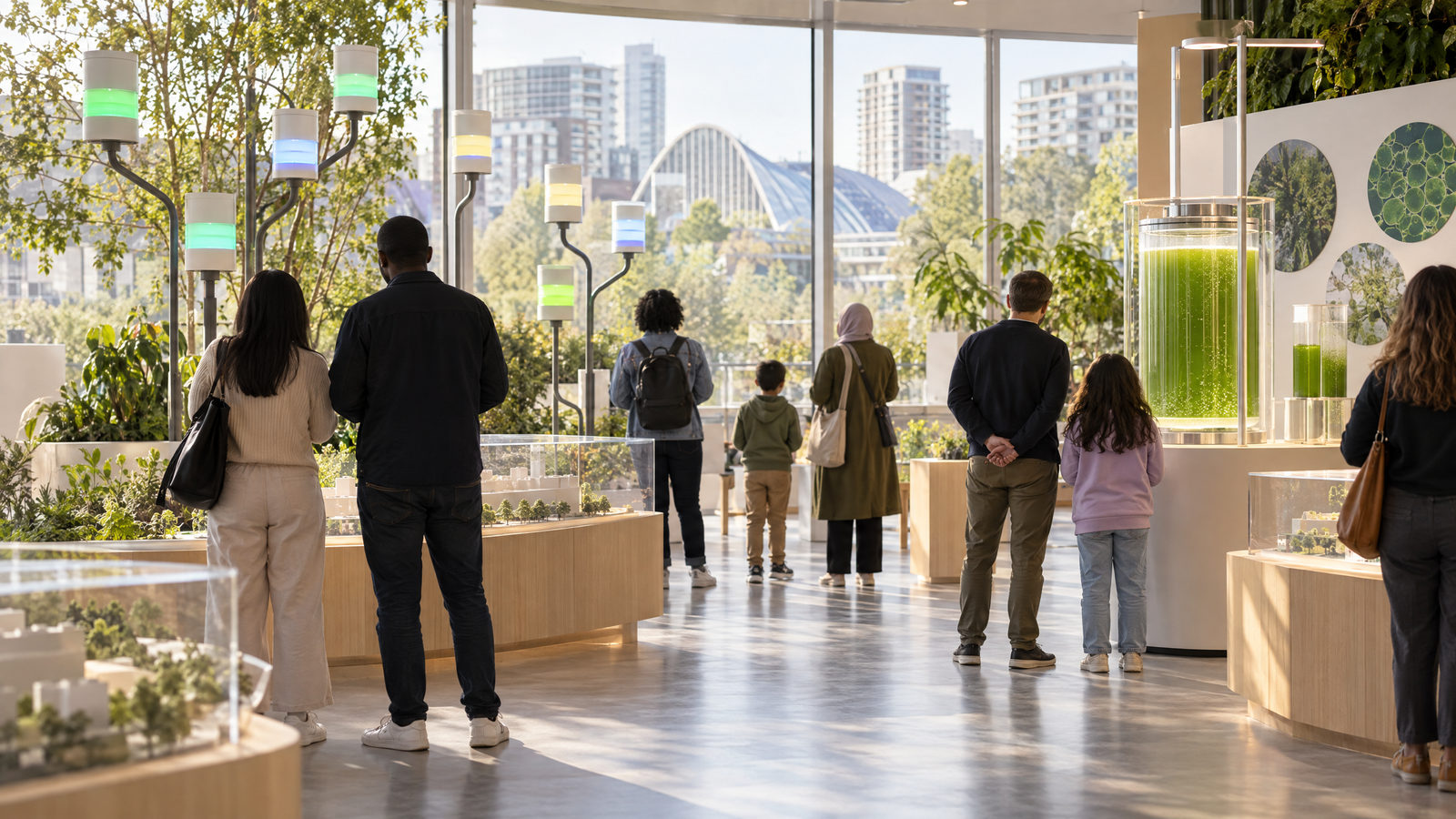
The event was built around the idea that research can be easier to understand when people can meet the teams behind it and try activities for themselves. Rather than presenting innovation as something confined to specialist spaces, the showcase invited visitors to ask questions, see equipment in use and explore projects with potential everyday relevance.
Three strands organised the programme: sharing knowledge, sparking imagination and building connections. That brought university departments together with makers, small businesses and community-facing projects from west London. The format mattered as much as the individual displays: people could arrive for a short visit or spend an afternoon moving between the different activities.
Air-quality data with a local focus
One of the practical displays centred on Breathe London Communities, an air-pollution monitoring network. Visitors could learn how sensors are used to measure pollution and why readings at neighbourhood level can help make an abstract public-health issue more tangible.
The network includes monitoring at primary schools in Hammersmith and Fulham, while the data is publicly available. That combination of local measurement and open access is intended to make it easier for residents, schools and community groups to understand conditions where they live, study and travel. It does not provide a single answer to pollution, but it can inform conversations about the changes that may reduce exposure.
Food, biology and chemistry on display
Other stands used familiar experiences to explain technical work. A chemistry demonstration explored the links between sensory perception, colour measurements and compositional data, including how analysis can distinguish the compounds that shape flavour.
Arborea presented food ingredients made using its BioSolar Leaf technology, which it describes as a system that converts carbon dioxide into microalgae-based ingredients without fertile farmland. Visitors were offered samples and an introduction to the approach. The display placed a developing food-technology business alongside research demonstrations, making clear that the district contains both academic work and companies seeking to apply new ideas.
There were also demonstrations from chemical biologists on photosynthesis, green algae, microfluidics and 3D printing. These were framed as ways to show how living systems use light and how researchers create experimental tools, rather than as promises of immediate consumer products.
A wider invitation to take part
The science programme sat alongside accessible activities intended to make the event feel like a shared local occasion. A beginner yoga session took place on the first afternoon and a Pilates session followed on the second, while makers offered activities involving circular design, photography, bookbinding and materials. Food, drinks and local DJs completed the programme.
For White City, the value of the showcase was not only in the individual projects on display. It created a direct meeting point between a major research campus and the people living and working around it. By opening the programme to people without specialist knowledge or a ticket, the event made space for curiosity, discussion and a closer view of work that can otherwise remain out of sight.