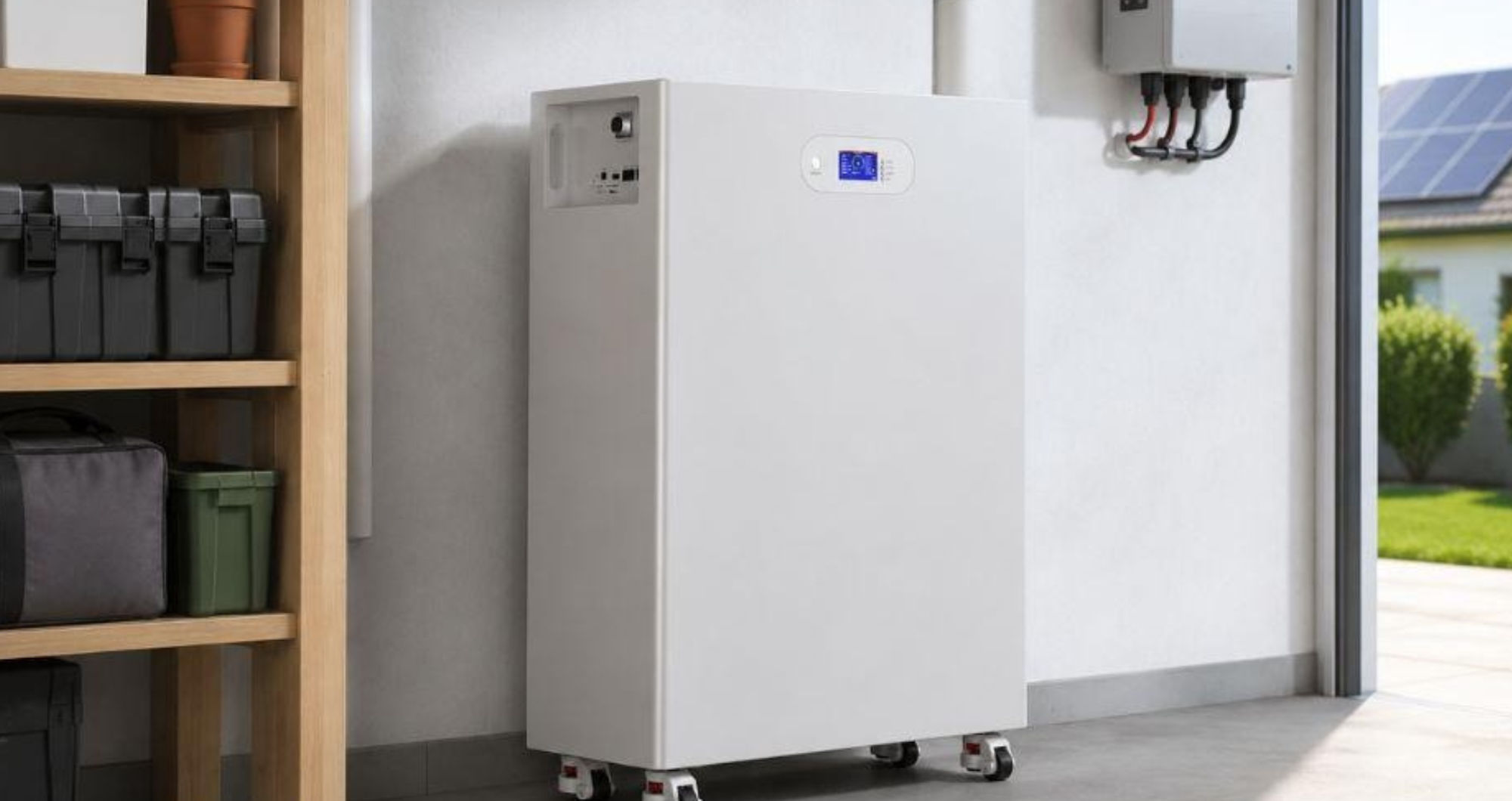

UK homes are becoming increasingly dependent on electricity. Technologies such as electric vehicles, heat pumps, solar PV systems, smart appliances, and home office setups are reshaping how households consume energy every day. At the same time, rising electricity costs and changing tariff structures are encouraging homeowners to think more carefully about how power is generated, stored, and used within residential properties.
As this transition accelerates, battery storage is becoming more important in long-term home energy planning. While smaller battery systems still suit many households, larger capacities are attracting growing attention as domestic electricity demand rises.
In particular, 30kWh battery storage is increasingly being viewed as a practical solution for solar-powered homes, high-consumption households, premium residential properties, and future-ready UK housing designed around energy flexibility and long-term resilience.
The Shift Toward Electrified UK Homes
The UK housing sector is gradually moving toward electrified living. Government decarbonisation targets, renewable energy adoption, and the rapid growth of EV infrastructure are all contributing to this shift. Homes that once relied heavily on gas are now incorporating electric heating systems, EV charging equipment, and connected energy technologies.
This transition is changing traditional electricity usage patterns. Modern households may rely on electricity simultaneously for transport, heating, cooking, communication, entertainment, and remote work. Compared with older properties, electrified homes often experience significantly higher daily energy demand, particularly during colder months.
Several factors are contributing to rising residential electricity usage:
- EV charging infrastructure
- Heat pump adoption
- Home office electricity demand
- Smart appliances and automation
- Increased use of electric heating systems
As electricity demand grows, homeowners are becoming more interested in technologies that improve energy flexibility and reduce dependence on peak-rate grid electricity.
Why Household Energy Demand Is Increasing
Residential electricity consumption has become more complex than in previous decades. A household with an EV charger and heat pump can consume considerably more electricity than a traditional gas-heated home, especially during winter when heating demand rises.
Home working has also changed energy usage patterns. More people now spend extended hours at home using computers, internet equipment, lighting, and climate control systems throughout the day. Evening demand can become particularly high when EV charging, heating systems, and household appliances operate simultaneously.
These changing consumption patterns are encouraging households to explore energy storage as part of broader energy management strategies. Rather than relying entirely on imported grid electricity during expensive peak hours, battery systems can help distribute electricity more efficiently across the day.
As UK homes continue transitioning toward electrification, energy storage is becoming increasingly relevant for both homeowners and property developers planning long-term infrastructure upgrades.
Why Battery Storage Is Becoming More Important
Battery storage is evolving beyond its original role as a simple solar add-on. In modern homes, batteries are increasingly becoming part of integrated energy management systems focused on efficiency, resilience, and smarter electricity usage.
Residential battery systems can store surplus solar generation during daylight hours and release that electricity later when household demand increases. They can also support tariff optimisation by storing cheaper off-peak electricity for use during expensive evening periods.
Larger residential battery systems may help support:
- Overnight household electricity demand
- Solar self-consumption
- EV charging flexibility
- Reduced peak-rate electricity imports
- Limited backup power support
The growing importance of battery storage reflects wider changes across the UK energy sector. As homes become more electricity-dependent, managing when electricity is consumed is becoming almost as important as how much electricity is used overall.
Why Larger Battery Capacities Are Becoming More Relevant
Traditional residential batteries were often designed around moderate household electricity usage. However, changing lifestyle patterns and increasing electrification are rapidly altering those assumptions. Homes using EV charging, heat pumps, smart energy systems, and extensive appliance usage may require substantially more stored electricity than before.
In higher-demand scenarios, a 30 kWh energy storage system may provide greater flexibility in balancing renewable generation with evening and overnight electricity usage. Larger systems can also help reduce the amount of solar electricity exported back to the grid during periods of strong daytime generation.
Larger battery capacities are becoming increasingly relevant for:
- Solar-powered homes
- High-consumption households
- Premium residential properties
- Smart home environments
- Small residential developments
Although storage requirements vary between properties, larger battery systems are gradually becoming more practical as UK homes continue shifting toward electricity-based infrastructure.
How Solar PV Adoption Is Changing Storage Requirements
Solar PV systems are becoming more common in UK residential properties, particularly as homeowners seek to reduce long-term electricity costs and improve energy independence. However, without storage, surplus daytime solar generation is often exported to the grid rather than used later in the home.
As electricity demand rises, homeowners are placing greater value on storing renewable energy for evening and overnight usage. This is especially important in homes using EV charging or electric heating systems that may consume large amounts of electricity outside daylight hours.
Battery storage helps improve solar self-consumption by shifting renewable electricity toward periods of higher demand. Larger-capacity systems may also provide additional flexibility during winter months when solar generation windows are shorter.
The relationship between solar PV and battery storage is therefore becoming increasingly important within future-ready UK homes designed around renewable energy integration and smarter electricity management.
Why Battery Sizing Is Becoming More Complex
Battery sizing is no longer a straightforward calculation because household electricity demand varies significantly depending on lifestyle, heating systems, transport habits, and renewable generation capacity.
For example, two similarly sized homes may have very different energy requirements if one relies on EV charging and electric heating, while the other uses gas appliances and has lower overall electricity consumption. Seasonal demand fluctuations also complicate battery planning, particularly during winter, when heating demand increases and solar generation decreases.
Modern battery sizing decisions may involve factors such as:
- Daily electricity consumption patterns
- EV charging frequency
- Heat pump energy demand
- Solar generation capacity
- Time-of-use tariff strategies
- Backup power requirements
As the UK energy market becomes more dynamic, homeowners are increasingly approaching battery storage as part of long-term property energy planning rather than a standalone technology purchase.
Understanding LiFePO4 Battery Technology
Battery chemistry plays an important role in residential storage performance, lifespan, and long-term reliability. Lithium iron phosphate technology, commonly known as LiFePO4, has become widely used in residential energy storage for its thermal stability and durability during repeated charging cycles.
Many installers and homeowners now prefer LiFePO4 30 kWh battery systems for larger residential applications because the LiFePO4 chemistry is generally associated with more consistent long-term performance and lower thermal risk than some alternative lithium-ion chemistries.
LiFePO4 batteries are commonly associated with:
- Long operational lifespan
- Thermal stability
- Lower maintenance requirements
- Consistent daily cycling performance
- Improved safety characteristics
As battery storage adoption continues growing across the UK residential sector, chemistry selection is becoming an increasingly important consideration for long-term home energy reliability.
Backup Power and Household Energy Resilience
Energy resilience is becoming more important as UK households rely increasingly on electricity for heating, communication, work, and daily living. Even short-term power interruptions may create greater disruption in highly electrified homes than in previous decades.
Some battery systems can provide temporary backup electricity during outages, depending on inverter configuration and installation design. For households relying on electric heating systems, internet-based work environments, or connected smart technologies, maintaining temporary power continuity may become increasingly valuable.
Larger-capacity batteries may support:
- Essential appliance backup
- Internet and communication systems
- Limited heating support
- Lighting and refrigeration
- Short-term energy continuity during outages
While residential battery systems are not designed to replace the national grid entirely, they can contribute to greater flexibility and improved household energy resilience.
Smart Tariffs and Intelligent Energy Management
The UK energy market is gradually moving toward smarter and more flexible electricity pricing models. Time-of-use tariffs, smart meters, and automated energy systems are encouraging households to shift electricity usage toward lower-cost periods.
Battery storage systems can support this transition by storing electricity during cheaper overnight pricing windows and releasing it later during expensive peak periods. This strategy may become increasingly relevant as dynamic pricing structures expand across the UK energy sector.
Future-ready homes may increasingly integrate:
- Solar PV systems
- Smart EV charging
- Automated energy management
- Dynamic tariff optimisation
- Residential battery storage
As these technologies become more connected, battery systems are evolving into central components of intelligent household energy infrastructure.
Comparing Battery Needs Across Different Property Types
| Property Type | Typical Electricity Demand | Battery Storage Relevance |
| Small flat or apartment | Low to moderate | Smaller systems often sufficient |
| Standard family home | Moderate | Mid-sized storage may support solar usage |
| EV and solar-powered home | Moderate to high | Larger storage increasingly beneficial |
| Heat pump property | High winter demand | Higher-capacity storage may improve flexibility |
| Premium smart home | Very high | Large-capacity systems may support integrated energy management |
| Small residential development | Variable but high | Shared or larger systems may improve energy balancing |
As household electricity demand becomes more diverse, battery storage planning is becoming increasingly property-specific rather than based on standard assumptions.
Potential Limitations of Large Home Battery Systems
Although larger residential battery systems may offer additional flexibility, they are not automatically suitable for every property. Installation costs, available space, and overall electricity demand all influence whether a high-capacity system is practical.
Potential considerations include:
- Higher upfront installation costs
- Space and ventilation requirements
- Variable return on investment
- Reduced winter solar generation
- System compatibility planning
In lower-consumption households, oversized battery systems may provide limited additional value compared with smaller alternatives. For this reason, professional energy assessment remains important before selecting long-term storage capacity.
The Future of Home Energy Storage in the UK
Residential battery storage is expected to become increasingly common as UK homes continue transitioning toward electrified living. EV charging, heat pumps, renewable generation, and smart energy technologies are collectively reshaping how electricity is consumed within modern properties.
Five years ago, large residential batteries were often considered unnecessary for typical homes. However, rising electricity demand is quickly changing those assumptions. Homes are becoming more dependent on electricity not only for appliances and lighting, but also for transport, heating, and connected digital infrastructure.
Future-ready UK homes are likely to rely more heavily on integrated energy ecosystems combining renewable generation, intelligent energy management, and battery storage. As the market evolves, companies like Avepower are part of a wider movement toward scalable residential energy storage solutions that support electrified living.
Conclusion
The growing relevance of larger residential battery systems reflects broader changes across the UK housing and energy sectors. Homes are becoming increasingly dependent on electricity for transport, heating, work, and everyday living, creating greater demand for flexible energy infrastructure. As solar PV adoption, EV charging, and smart energy technologies continue expanding, battery storage is evolving into a more integrated part of modern property planning.
While not every household requires high-capacity storage, larger systems are becoming increasingly relevant for homes with higher electricity demand and for those pursuing renewable energy integration goals. In the years ahead, residential battery storage is likely to play a more important role in supporting future-ready UK homes designed around electrification, resilience, and intelligent energy management.
Understanding battery sizing, energy usage patterns, and storage technologies can help homeowners make more informed decisions as the UK energy landscape continues to change. Avepower is among the brands contributing to this growing residential storage sector.
Frequently Asked Questions
Is a 30kWh battery too large for a typical UK home?
It depends on the household’s electricity demand. Homes using EV charging, heat pumps, solar PV systems, or extensive smart technologies may benefit more from larger storage capacities than lower-demand households.
Can battery storage reduce peak electricity costs?
Battery systems can help reduce peak-rate electricity imports by storing lower-cost electricity during off-peak periods and using it later when prices are higher.
Why is LiFePO4 commonly used in residential battery systems?
LiFePO4 chemistry is widely used for its thermal stability, long cycle life, and suitability for repeated daily charging and discharging.
Does battery storage work without solar panels?
Yes. Some homeowners use battery systems primarily for tariff optimisation by storing cheaper overnight grid electricity for later household use.
Can larger batteries support EV charging?
Larger battery systems may help support EV charging flexibility by storing solar energy or off-peak electricity for later use in vehicle charging.