


JPG images are the most preferred ones on e-commerce platforms. Although there are more image formats available such as PNG and WebP, people still tend to prefer JPG images the most. You can convert those to JPG online with something like WebPtoJPGHero.
People prefer JPG images the most due to the following reasons:
Compression and File Size
One of the greatest benefits of JPG is that it has the capability to condense image files to a considerable extent without compromising quality. When it comes to e-commerce websites, the bigger the product images the better. But, the website’s load speed is extremely crucial as well. Smaller image files aid in decreasing loading times to a considerable extent, ensuring that customers don’t have to experience delays when browsing products. Condensed images also ensure that inventory pages load extremely fast. Pages that take an eternity to load can greatly increase bounce rates and loss in sales.
JPG offers a great level of flexibility when it comes to accommodating both visuals and file size. This is highly beneficial for e-commerce captures across the globe. E-commerce captures are captured with extreme precision so that no details are missed. JPG images easily accommodate a variety of e-commerce visuals and don’t need further adjustments.
When it comes to high-resolution images, JPG images are smaller in size compared to both PNG and TIFF. JPGs reduce file size while maintaining a good balance between image quality and user experience, making it the ideal choice for e-commerce businesses. Thus, JPG is the most commonly used format in online retailing because it enhances visual appeal without compromising performance.
Good Balance Of Quality And Compression
Another reason JPG is widely used for e-commerce product images is the balance of compression and quality JPG images offer. JPG images provide the SMAA (superior minimal artefact acquisition) approach to quality compression, unlike PNG files that overload on detail. The SMAA approach allows the loss of fraction data in compression without visually removing any detail regardless of eye sensitivity. This greatly improves file size and diminishes the transfer of quality from JPG images.
For e-commerce, this balance is crucial. The product images have to be sharp and detailed, but they also have to load quickly to ensure a good shopping experience. JPG achieves this balance with its adjustable compression levels, which allows online retailers to tweak the quality of their images to meet both aesthetic and functional needs.

Universal Compatibility
JPG is among the most widely supported image formats on all devices and platforms. These images can be viewed and displayed easily starting from desktop browsers, mobile phones, and even high-end laptops to budget devices. This compatibility sets it apart from other formats like GIF and makes it the format of choice for e-commerce platforms that are targeting a global audience.
Unlike newer formats like WebP which are only supported by some modern browsers, JPG offers a guarantee that product images will display properly to customers no matter the device or browser used. All online retailers looking to deliver an accessible and pleasant user experience to potential customers will agree that this consistency is crucial.
Overall Endorsement by Online Selling Platforms
Most online selling platforms including Shopify, WooCommerce, and Magento so firmly rely upon JPG for images that it becomes effortless for retailers because they do not have to worry about compatibility barriers when uploading product images. Furthermore, JPG’s compatibility ease with a wide array of marketing tools, image editing software, and even content management systems increases the overall efficiency with which business product images are handled.
Store owners and designers are able to invest their time in other aspects of display such as lighting, styling, and composition, as JPG is the standardised image format on the majority of online selling platforms. For those requiring additional optimisation though, sites like WebPtoJPGHero make it easy to convert WebP into JPG without hassle, simplifying image-handling responsibilities for e-commerce websites.
Best Fit for Taking Images of Products
JPG images are a favourite for product photos for e-commerce images, and for good reason, it is best suited for photographic images. It doesn’t matter if it is a piece of clothing, a gadget, or furniture a lot of them are photographs because they capture soft shifts in colour and intricate details which JPG is capable of compressing while maintaining an incredibly small file size.
The JPG format is suitable for high-quality images with a full range of design hues because it supports millions of colours. JPG has unmatched ability in photographic images in terms of file size and quality balance. Formats like PNG offer higher-quality images for graphics and other images that have a transparent background, but JPG is still unrivalled in file size and quality.

SEO Benefits
The overall speed of a website is highly weighed in when it comes to search engine optimisation (SEO). Google’s ranking algorithms put emphasis on websites that are faster to load, and page load time is one of the major factors. JPG images are smaller in file size than most formats which helps eliminate the burden slow page load times bring. With a positive impact on set time limits, slower ranking is no longer ideal for e-commerce stores.
E-commerce sites have to ensure that all optimal images for sites are captured using JPG. JPG images will help improve overall engagement, reduce bounce rates, and is a preferred format for product images. Search engines will prefer sites that are faster and will help improve the overall search engine rankings. Reducing time limits while increasing rankings makes JPG a winner too for SEO alongside technical advantages.
Simple Image Editing
The popularity of JPG in e-commerce is also attributable to how easily it works with all other image editing software. Whether it is Adobe Photoshop, GIMP, or any other online editor – JPG files can be edited with ease to brighten, contrast improved or cropped into a perfect frame. The file format is incredibly convenient for assignments as there are no additional obstacles like special software or conversion steps, and makes it easier for retailers who need to edit images of their products as fast as possible.
The easy editing of JPG images takes a load off of the shoulders of e-commerce companies by allowing them to edit product visuals without complex disassembly of images. This advantage is precisely why it helps a lot of companies with grand catalogues that have a long list of imperfections.
Brand Recognition and Professionalism
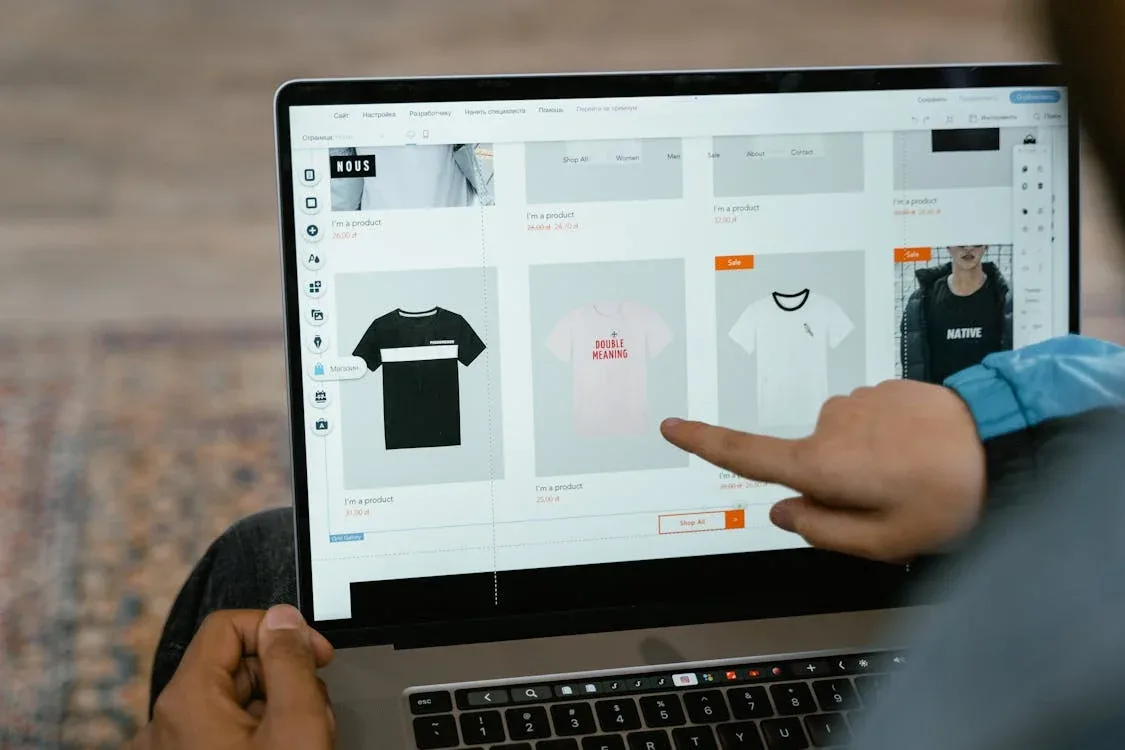
The quality of product photographs taken has a huge impact on how some customers perceive the brand. Professionalism and attention to detail are best portrayed through well-optimised photos and create trust with potential customers. The ability of JPG images to retain high quality while compressing them helps e-commerce websites showcase their products in a good presentation.
In the highly competitive world of e-commerce, the quality of an image can greatly affect whether or not a customer buys a product. The JPG format benefits businesses because it allows them to feature products using crisp images which improves brand perception and the company’s image online.
Conclusion
Even as new image formats such as WebP and PNG have emerged, JPG has remained the preferred format for e-commerce product images. This is due to its JPG compression, file size, ease of use on nearly all platforms, and an overall balance between image toughness and quality. From your small online shop to leading e-commerce businesses, JPG has the best solution for displaying product images that are of high quality and load speedily.
Retailers can improve their product images using image dyes and other tools as long as their quality is not compromised. Be it for technical or beauty needs, JPG caters to the needs of e-commerce businesses, and for this reason, it is unlikely that they will stop using it any time soon.







