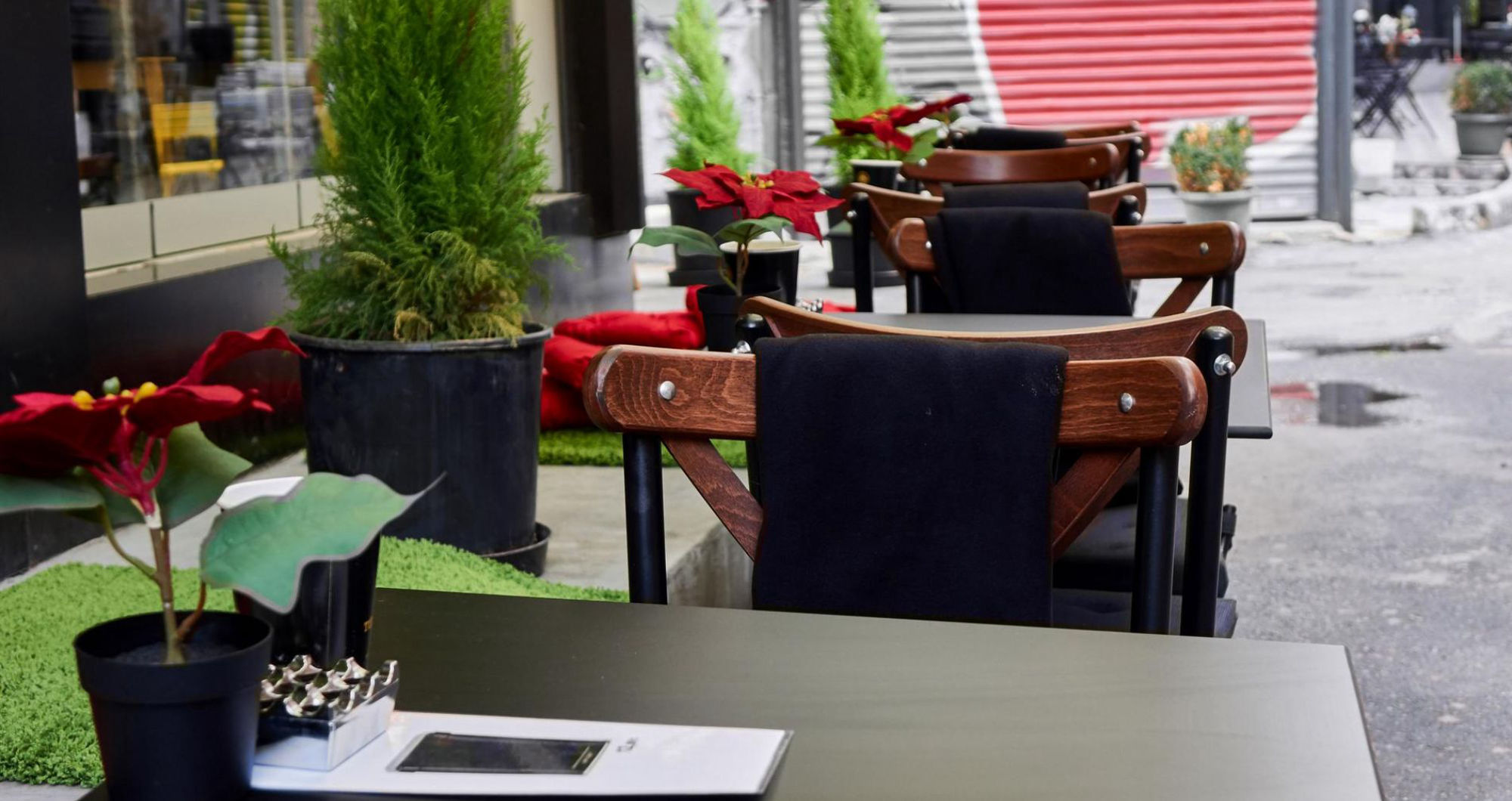

London’s dining scene has always been competitive. From Michelin-starred tasting rooms in Mayfair to buzzing street-food concepts in Shoreditch, operators fight daily for attention, loyalty, and five-star reviews. In 2026, that competition is no longer driven solely by menus. The physical environment, especially restaurant tables and chairs, has become a central business strategy.
Across the United Kingdom, hospitality sales have continued to recover, with London accounting for a significant share of national restaurant revenue. Yet rising rents, higher wage costs, and tighter consumer spending mean every square foot must work harder. As a result, more London restaurants are choosing to invest in high-quality furniture that delivers measurable returns rather than short-term savings.
The Financial Logic Behind Better Furniture
At first glance, premium restaurant tables and chairs may seem like a design decision. In reality, they are increasingly financial.
Commercial-grade furniture is built for daily service, not occasional use. In central London venues that turn tables multiple times per evening, seating can be used for 8 to 12 hours per day. Lower-grade furniture often shows wear within months, leading to wobbly bases, torn upholstery, or chipped finishes.
Operators are learning that replacement cycles matter. Replacing cheap tables every 18 months costs more over five years than investing once in durable materials designed for long-term use. With inflation affecting raw materials and shipping, predictable durability is now part of risk management.
High-quality restaurant furniture typically offers:
- Stronger joinery and reinforced frames that handle heavy daily traffic
- Commercial finishes that resist scratches, moisture, and cleaning chemicals
- Stable table bases that reduce complaints about wobbling or uneven surfaces
In a city where online reviews can make or break a venue, preventing small annoyances such as unstable tables protects reputation as much as it protects margins.
Customer Experience Drives Repeat Business
London diners expect more than good food. They expect comfort, atmosphere, and a setting worth sharing on social media.
Research across the UK hospitality sector consistently shows that guest comfort directly impacts dwell time and spending. When chairs are ergonomically supportive, and tables are appropriately sized, guests are more likely to order dessert, another round of drinks, or stay for coffee.
In compact London floor plans, space efficiency is critical. Well-designed restaurant chairs allow for tighter layouts without sacrificing comfort. Slim profiles with proper back support enable operators to increase seating capacity while maintaining positive guest experiences.
Equally important is visual cohesion. Premium tables with solid wood tops, high-pressure laminate surfaces, or metal bases designed for commercial use signal quality. Customers associate sturdy, well-finished furniture with professionalism and hygiene.
In London’s high-end dining market, furniture becomes part of brand storytelling. A contemporary concept in Soho might invest in sleek metal frames and minimalist silhouettes, while a traditional pub in Kensington may prioritize solid wood tables with classic detailing. In both cases, furniture reinforces identity.
Social Media and the Visual Economy
London remains one of the most photographed cities in the world. Restaurants benefit when their interiors become part of the visual culture of Instagram, TikTok, and travel blogs.
Statement restaurant tables and chairs contribute to that shareable appeal. Unique chair designs, bold upholstery choices, or custom finishes often appear in user-generated content. Every tagged photo becomes free marketing.
Operators increasingly understand that investment in aesthetics has digital value. According to UK marketing surveys, a strong interior concept can significantly increase online engagement and booking inquiries. In dense urban markets like London, visual differentiation matters.
Durable furniture also ensures that interiors remain photo-ready. Scratched tabletops and faded upholstery quickly undermine a carefully curated brand image.
Compliance, Safety, and Long-Term Standards
London restaurants must comply with strict health and safety regulations. Furniture plays a quiet but important role in meeting those standards.
Commercial tables and chairs are typically designed to support higher weight capacities and meet fire safety requirements. Upholstered seating often includes fire-retardant materials that comply with UK regulations. Stable bases and properly balanced chairs reduce the risk of accidents in high-traffic dining rooms.
Insurance considerations also influence purchasing decisions. Investing in furniture that meets recognized commercial standards can lower liability risks and prevent costly claims.
In addition, awareness of accessibility is increasing. Operators are paying closer attention to seat heights, armrest support, and table clearance to accommodate a wider range of guests. In a city as diverse as London, inclusive design supports both ethics and business growth.
Longevity in a High-Cost City
Running a restaurant in London involves significant fixed expenses. Prime locations in areas such as Covent Garden or Notting Hill come with high rent commitments. When overhead is substantial, operators look for long-term stability across the rest of the business.
High-quality restaurant tables and chairs contribute to operational predictability. Instead of budgeting for frequent repairs, owners can focus capital on marketing, staff training, and menu innovation.
Sustainability is also part of the conversation. Many London diners prefer businesses that demonstrate environmental responsibility. Investing in durable furniture reduces waste by avoiding the need to discard worn pieces regularly. Some suppliers now offer responsibly sourced wood or recyclable metal frames, aligning with broader sustainability goals across the UK hospitality sector.
A Strategic Investment, Not a Cosmetic Upgrade
The shift in London is clear. Furniture is no longer treated as an afterthought purchased at the lowest possible cost. It is viewed as infrastructure.
Restaurant tables define layout efficiency, traffic flow, and revenue per square foot. Chairs influence comfort, dwell time, and guest satisfaction scores. Together, they shape perception, from first impression to final review.
In a city where thousands of dining options compete for attention, details matter. High-quality restaurant tables and chairs offer durability, compliance, brand alignment, and measurable financial benefits.
Where Design Meets Discipline
London’s restaurant industry thrives on creativity, but it survives on discipline. Smart operators balance aesthetic ambition with operational realism.
By investing more in high-quality restaurant tables and chairs, London restaurants are protecting their margins, elevating their brand presence, and delivering consistent guest experiences. In a market defined by both tradition and innovation, furniture has quietly become one of the most strategic decisions a restaurateur can make.
For many London venues, the message is simple. Strong foundations support bold concepts. And in today’s hospitality economy, those foundations often begin with the table and the chair.