
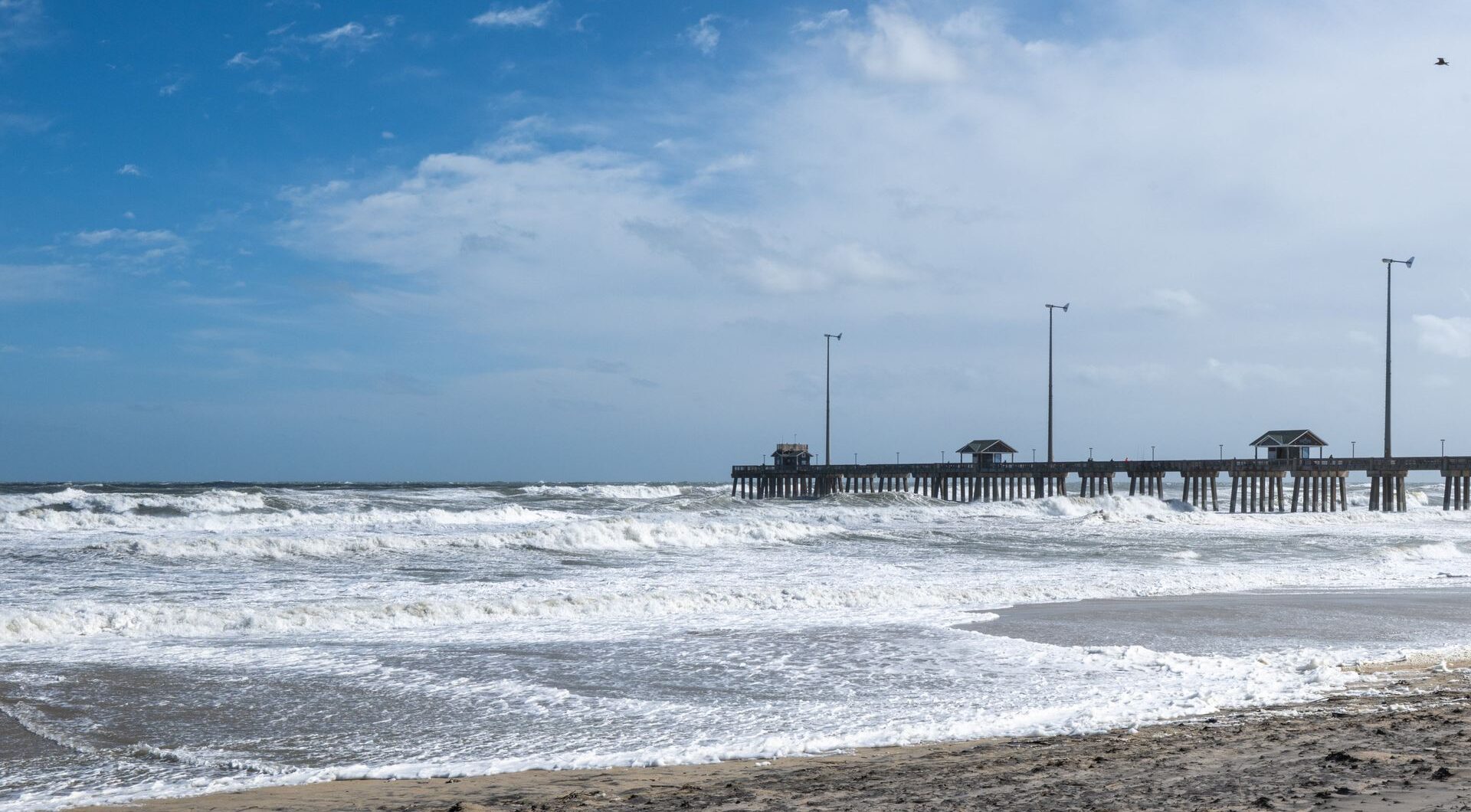

British travellers have long favoured Florida, California, and New York for their American getaways. Yet tucked along North Carolina’s coastline lies a 200-mile stretch of barrier islands that offers everything those destinations do, minus the crowds, the inflated prices, and the predictability. The Outer Banks, often shortened to OBX by locals, combines wild Atlantic beaches, maritime history, and small-town charm into a vacation experience that remains largely undiscovered by UK visitors.
This guide walks through exactly why the Outer Banks deserves your attention, from getting there to what to do once you’ve arrived, and why your travel budget will stretch considerably further than it would at more famous American coastal resorts.
Getting There: Flight Times and Connections
One reason the Outer Banks hasn’t caught on with British tourists is that it lacks a major international airport of its own. This isn’t the obstacle it might seem, though. Most travellers fly into Norfolk International Airport in Virginia, which sits roughly a 90-minute drive from the northern Outer Banks beaches.
Direct flights from London to the East Coast of the United States typically run between 8 and 9 hours. Norfolk doesn’t have direct UK routes, so travellers usually connect through major hubs like New York, Washington D.C., or Charlotte. A realistic total travel time, door to beach, sits around 11 to 13 hours including the connection and the drive. That’s comparable to flying to Florida and then driving to a quieter stretch of coastline, but the payoff is a destination with far less tourist saturation.
Raleigh-Durham International Airport offers another entry point, roughly a 3.5-hour drive from the Outer Banks. Some travellers prefer this route because Raleigh has more frequent connecting flights from European gateways.
What Makes the Outer Banks So Appealing
Beaches That Feel Genuinely Wild
Unlike the developed boardwalks of Miami or the packed sands of California, Outer Banks beaches stretch for miles with minimal commercial development in many stretches. Places like Cape Hatteras National Seashore protect nearly 70 miles of undeveloped coastline, giving visitors the sense of discovering their own private beach even during peak season.
The sand dunes here are genuinely dramatic. Jockey’s Ridge State Park contains the tallest natural sand dune system on the East Coast, rising over 100 feet in places. Visitors climb to the top for sunset views over both the ocean and the sound, and hang gliding schools operate right from the dune’s base for those wanting an adrenaline boost.
A Rich Maritime and Aviation History
History buffs will find plenty to explore. The Wright Brothers National Memorial in Kill Devil Hills marks the exact spot where Orville and Wilbur Wright achieved the first powered flight in 1903. The memorial includes replica flyers, granite boulders marking the distances of each historic flight, and a visitor centre detailing the brothers’ painstaking engineering process.
The Outer Banks also earned the nickname “Graveyard of the Atlantic” due to the hundreds of shipwrecks scattered along its shoals, caused by the collision of the Gulf Stream and the Labrador Current. The Graveyard of the Atlantic Museum in Hatteras tells these stories through artefacts recovered from the wrecks themselves, including pieces from Civil War-era vessels and World War II casualties.
Lighthouses Worth the Climb
Few American coastlines pack in as many historic lighthouses. The Cape Hatteras Lighthouse, painted with its distinctive black-and-white spiral pattern, stands as the tallest brick lighthouse in the United States at 198 feet. Visitors willing to climb 257 steps are rewarded with sweeping views across the Atlantic and the sound side of the island.
Nearby, the Bodie Island Lighthouse and the Currituck Beach Lighthouse offer their own distinct designs and histories, giving lighthouse enthusiasts a reason to island-hop along the entire chain.
Wild Horses Roaming Free
One of the more unusual draws for visitors is the presence of wild Spanish Mustangs roaming the beaches of Corolla, in the northern Outer Banks. These horses are believed to be descendants of Spanish horses that survived shipwrecks centuries ago, and they still wander freely across the dunes today. Guided four-wheel-drive tours take visitors out to see the herds, offering a genuinely unique wildlife encounter that few American beach destinations can match.
Water Sports and Outdoor Adventure
The Outer Banks’ unique geography, with the Atlantic Ocean on one side and the calmer Pamlico and Albemarle Sounds on the other, makes it a hotspot for water sports of every kind. Surfing conditions around Rodanthe and Buxton attract experienced wave riders, while the flatter sound-side waters near Waves and Avon have made the region one of the top kiteboarding and windsurfing destinations in the country.
Fishing is another major draw. Whether it’s deep-sea charters chasing marlin and tuna offshore, or casual pier fishing for flounder and bluefish, the Outer Banks caters to anglers of every skill level.
Why the Outer Banks Is Easier on Your Wallet
Most British travellers accustomed to the high costs of Florida resorts or New York hotels will notice a meaningful difference in the Outer Banks. Accommodation here leans heavily toward vacation home rentals rather than branded resort chains, and these rentals often work out cheaper per person when traveling as a family or group, especially when splitting the cost of a multi-bedroom beach house across several travellers.
Dining follows a similar pattern. While the Outer Banks has excellent seafood restaurants, many serving catch brought in that same day from local fishing boats, prices tend to run lower than comparable coastal dining in more tourist-heavy American destinations. Casual seafood shacks and family-owned restaurants dominate the local dining scene rather than expensive chain establishments, keeping costs down without sacrificing quality.
Many of the top attractions also come with minimal or no cost. Beach access throughout the Outer Banks is free and largely unrestricted, unlike some private beach clubs found elsewhere in the U.S. National Park Service sites, including Cape Hatteras National Seashore, charge no general entrance fee, and simple pleasures like dune climbing, shelling, and sunset watching cost nothing at all.
The absence of a major international airport, while adding slightly to travel time, also helps keep the region from becoming overrun with the kind of mass tourism that drives up prices elsewhere. Fewer crowds generally mean better value across accommodation, dining, and activities.
Best Time to Visit
Late spring, specifically May and early June, and early autumn in September and October offer the best combination of warm weather, lower crowds, and reasonable prices. Peak summer months of July and August bring warmer water temperatures ideal for swimming, but also higher rental prices and busier beaches. Winter months are quieter still and dramatically cheaper, though swimming becomes unrealistic and many seasonal businesses close.
Plan Your Outer Banks Escape
The Outer Banks offers British travellers something genuinely different from the usual American beach holiday: wild, undeveloped coastline, centuries of maritime and aviation history, free-roaming wild horses, and a cost of living that stretches further than Florida or California. The slightly longer journey, typically involving a connecting flight through a major East Coast hub, pays off with a destination that feels authentically American rather than built purely for tourists.
For travellers willing to trade a guaranteed direct flight for a quieter, more affordable, and more distinctive coastal experience, the Outer Banks is well worth the extra effort to reach. Start by researching flight connections through Norfolk or Raleigh, then look into vacation rental options along the stretch of coastline that best matches your interests, whether that’s the historic charm of Manteo, the surf culture of Buxton, or the wild horse territory of Corolla.







