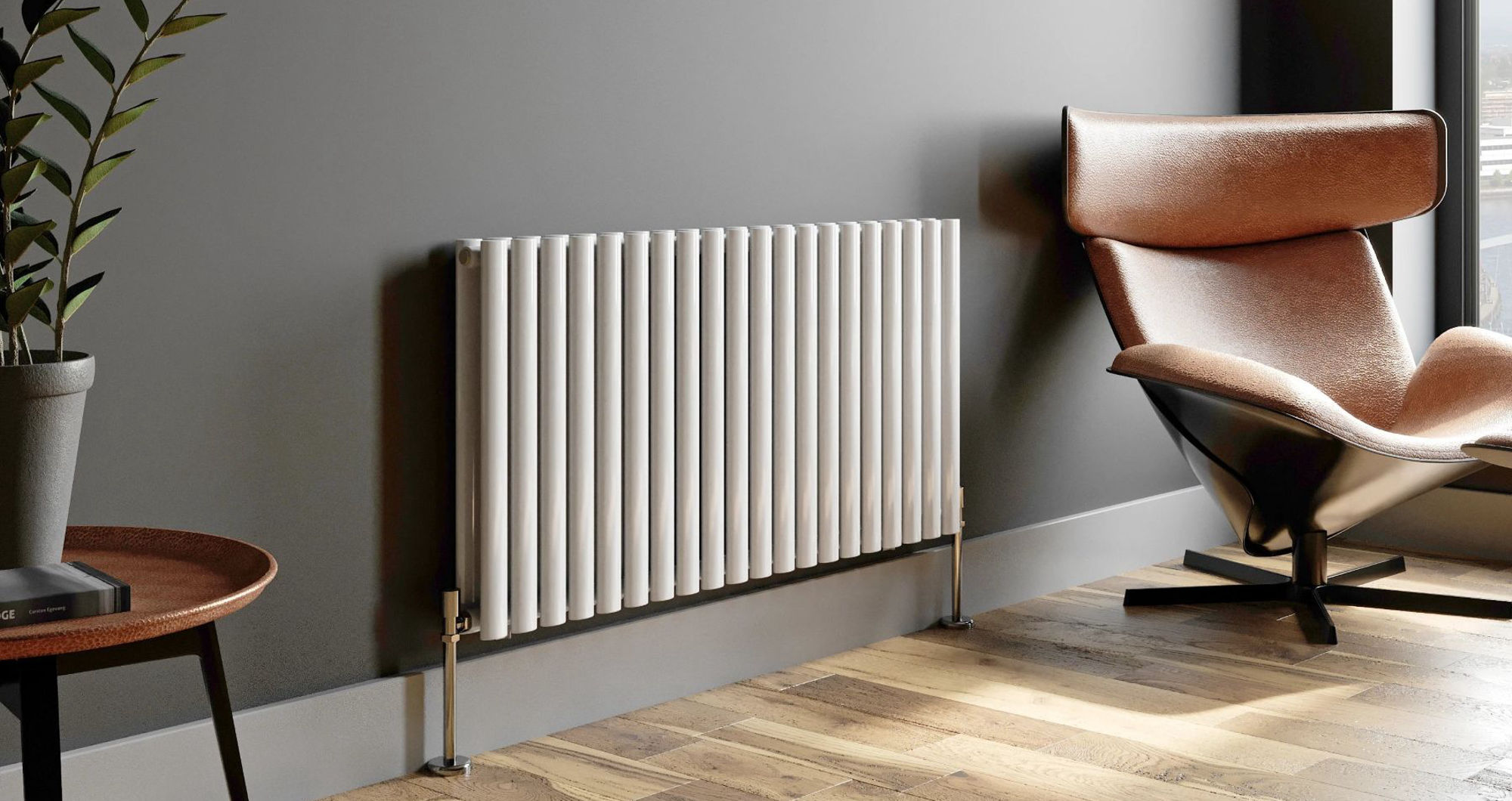

During the summer months, central heating and radiators are probably the last things on your mind. But while your heating is switched off, it is actually one of the best times to think about improving your radiators or replacing older models that may not be working as efficiently as they should.
By planning ahead now, you can make sure your home is ready before the colder weather returns. Whether you are refreshing a bedroom, upgrading a bathroom or making an open-plan living area feel warmer, the right radiator needs to deliver enough heat for the room it is going in.
That is where BTU comes in. It may sound technical, but once you understand the basics, it becomes much easier to choose a radiator that keeps your home comfortable without wasting energy. Heating experts at Plumbworld tell you everything you need to know about upgrading your radiator.
What does BTU mean?
BTU stands for British Thermal Unit. In simple terms, it is a way of measuring heat output. When you look at radiators, you will usually see a BTU rating listed with the product. This tells you how much heat the radiator can give out.
The higher the BTU, the more heat the radiator can produce. A small cloakroom will usually need a much lower BTU than a large living room, while a bathroom may need a little more warmth to feel comfortable after a shower or bath.
Why the right radiator size matters
A radiator that is too small may leave a room feeling chilly, even when the heating is on. This can lead to the thermostat being turned up, which may make your heating system work harder than it needs to.
On the other hand, a radiator that is much more powerful than required could be larger, hotter or more expensive than necessary. The aim is to find a radiator, or combination of radiators, that suits the room’s size, layout and heat needs.
What affects how many BTUs a room needs?
Every room is different, so BTU is not based on floor space alone. To get a more accurate idea, you need to look at the way the room is built and used.
Room size is a key factor. Length, width and height all matter, particularly if you have high ceilings, as there is more air to warm.
Windows also make a difference. Large windows, multiple windows or single glazing can allow more heat to escape, meaning the room may need a higher heat output.
External walls can increase heat loss too. A room with one or more outside walls will usually need more warmth than an internal room.
Insulation is another important point. A well-insulated room will hold heat more effectively, while older homes, draughty spaces or poorly insulated extensions may need extra heating power.
You should also think about how the room is used. A hallway may not need to feel as warm as a bathroom, while a main living space should feel comfortable for longer periods of time.
How to calculate the BTU for a radiator
To work out what size radiator you need, start by gathering the basic details of the room. Measure the length, width and height, then take note of the number of windows, the number of external walls, the room type and how well insulated it is.
Once you have this information, you can use a BTU calculator to estimate the heat output the room needs. You can then compare that figure with the BTU ratings of different radiators.
This is especially useful if you are choosing between different styles, as the physical size of a radiator does not always tell the full story. Panel type, number of convectors, shape and design can all affect heat output.
Can you use more than one radiator?
Yes. Larger rooms do not always need one oversized radiator. You can split the required BTU output across two or more radiators.
For example, if a room needs around 6,000 BTUs, you could choose one radiator close to that output, or two radiators that provide roughly 3,000 BTUs each. This can be helpful in open-plan areas or rooms where wall space is limited, and it can also help heat feel more evenly distributed.
Should you choose slightly more BTU than you need?
In many cases, choosing a radiator with a slightly higher BTU output is better than choosing one that falls short. An underpowered radiator may struggle in colder weather, while a slightly more powerful radiator can usually be controlled with a thermostatic radiator valve.
That said, it is still best to avoid going far beyond what the room needs unless there is a clear reason.
Style still matters
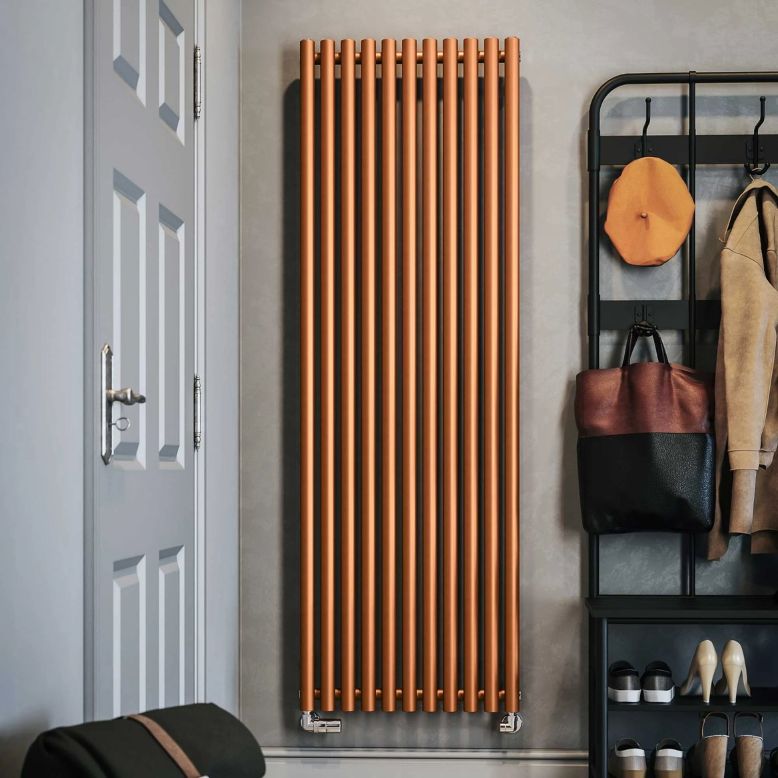
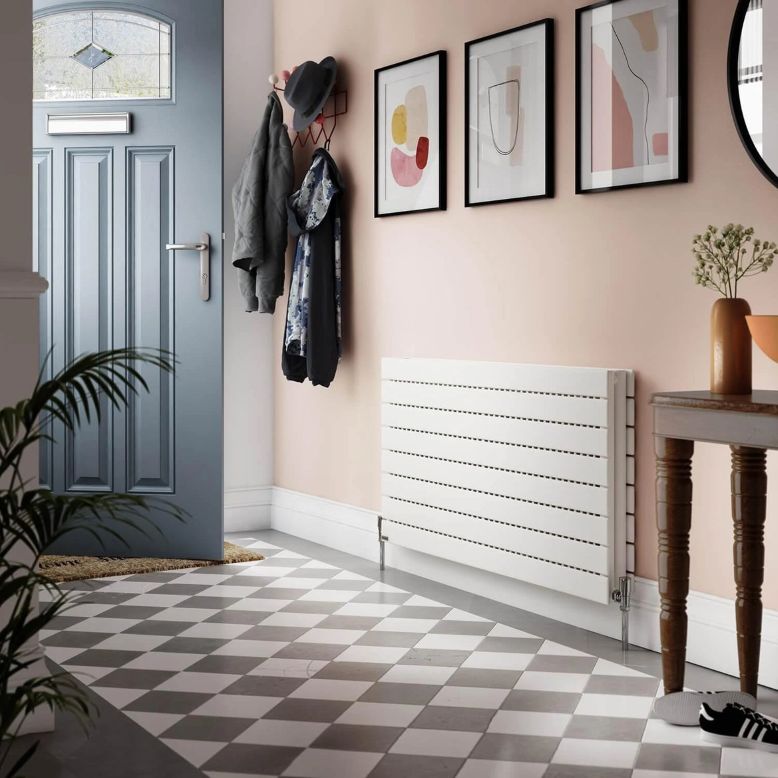
Once you know the BTU requirement, you can focus on the look. Panel radiators are a practical choice for many rooms, vertical radiators are ideal where horizontal wall space is limited, designer radiators can become a feature, and heated towel radiators are a popular option for bathrooms and en-suites.
The key is to balance style with performance. A radiator should look good, fit the space and provide enough heat to keep the room feeling just right.
A warmer home starts with the right calculation
Calculating BTU helps take the guesswork out of choosing a radiator. By looking at room size, windows, external walls, insulation and how the room is used, you can find a radiator that works beautifully for your home and your lifestyle.