

Whether you’re looking to reduce your environmental impact, increase your savings, or become more active, there a plenty of alternatives to owning a car. And don’t worry, you’re also still able to commute to work and make your way around your hometown with ease.
But don’t just take our word for it, here are four alternatives to buying a car that’ll get you eager to experience the car-free life.
Borrow a car from friends or family
If you’re fortunate enough to have friends or family with a car, consider asking if you can use it from time to time. As an example, it can be useful for students to borrow their parent’s car during the summer holidays or for friends to take turns driving on road trips.
While it’s possible to add your name to the vehicle owner’s insurance policy, this can lead to increased costs and can take longer to process. It’s also not worth it if driving the car is to be infrequent or a standalone event.
Instead, consider obtaining temporary car insurance for the duration you drive the car. That way, you get flexible coverage both quickly and at a reasonable price.
Public bike rental and e-bikes
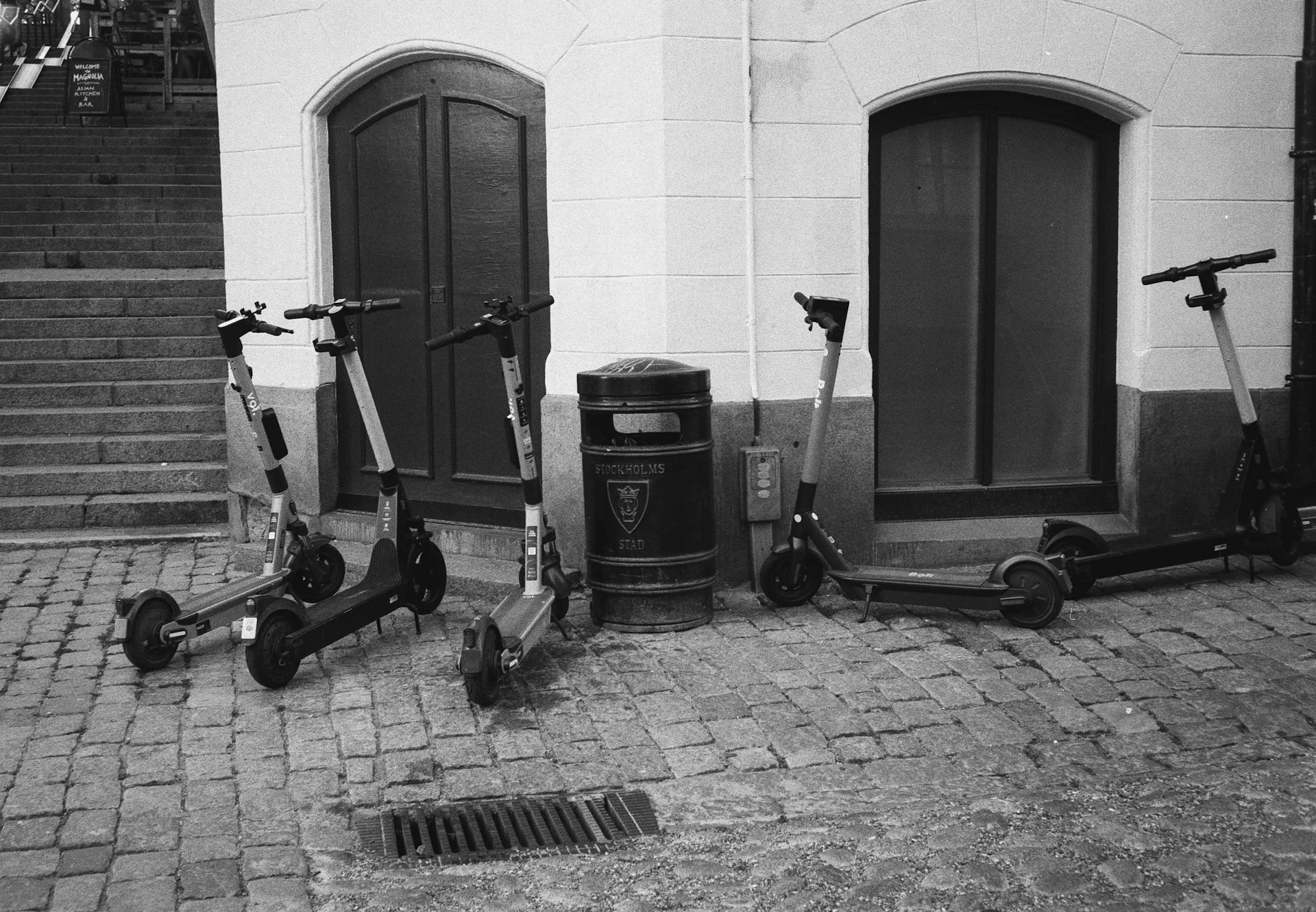
Over the last few years, we’ve seen a huge uptake in bike rental schemes and the use of e-bikes. Big companies like Beryl, JUMP by Uber, and Santander Cycles have dominated the streets thanks to their sleek designs, easy accessibility, and low costs.
It’s a great alternative to driving and having to purchase your own bike, especially if you rarely need to travel or don’t have the money to make such a large investment. Not to mention these cycling schemes are both great for your health and the environment.
Car clubs
A cost-effective alternative to renting or leasing a vehicle, car clubs provide access to a vehicle within your area for however long you need. This option is economical if you predict not driving more than 8,000 miles within the year, with some companies offering an attractive annual membership fee.
Better still, you don’t even need to pay for things like fuel, servicing, breakdown cover, MOTs and much more – it’s all covered for you! And since these cars are also typically newer, including electric and hybrid models, they contribute toward the UK’s goal of reducing carbon emissions. Plus, with the added peace of mind of knowing that breakdown recovery Liverpool is included, you can enjoy your journeys with confidence, making car-sharing an even more attractive option.
Utilise public transport
Yes, it’s quite the obvious option for those without a vehicle but choosing to travel by bus, train, or metro is still beneficial. While the reliability and frequency of these services can sometimes be off-putting, they are all cost-effective and great for one-off journeys.
With the addition of app-based tracking, additional bus lanes, and increased CCTV coverage, the experience of travelling on public transport is improving. You’ll also find services are getting better in more built-up areas, such as city centres, where a car isn’t often needed anyway.
Budget-friendly buying tips
If you decide to plump for buying a car, there are budget-friendly solutions. You don’t have to part with thousands of pounds to secure a brand-new vehicle straight from the showroom. If owning a car is the best option for you, browse listings to see what’s available via private sales, visit used car garages or check out a used car portal online. Shop around, compare prices and research promotions offered by different manufacturers and dealers. It’s critical to tread carefully when buying a used car, especially if you’re opting to buy from a private vendor. Arrange a visit and have a good look at the vehicle and documents like the service history. If you’re not a car buff, it’s a great idea to take somebody who knows their stuff with you, for example, a friend or colleague. Avoid anything that looks too good to be true. If you’re more interested in new cars, explore finance deals on long-term leasing or options like PCP (personal contract purchase).
Feature image by Gemma Evans on unsplash







