
Cruises get a bad reputation for being rushed or surface-level, but that really depends on where you’re going and how you travel. Some destinations actually make more sense by sea. Ports are close to the main sights, landscapes change overnight, and you unpack once while covering serious ground.
For travellers who like efficiency but still want depth, the right cruise route can feel practical rather than packaged. This isn’t about floating resorts or onboard gimmicks. It’s about places where arriving by ship gives you access you’d struggle to replicate overland.
From remote coastlines to cities built around harbours, these five destinations work particularly well on a cruise, especially if you’re choosing itineraries carefully and paying attention to port time.
The Caribbean Islands
The Caribbean is one of the few regions where cruising genuinely simplifies travel rather than complicating it. Island-hopping independently can involve short flights, unpredictable ferries, and time lost to logistics.
A cruise strings together places that otherwise take effort to combine. Ports like St John’s in Antigua, Bridgetown in Barbados, and Philipsburg in St Maarten sit close to town centres, so you can walk off the ship and be somewhere you want to be within minutes.
Days here tend to be about choosing how active you want to be. In St Lucia, ships dock near Castries, making it easy to head inland to the Pitons or Sulphur Springs without an early start.
In Cozumel, diving trips leave straight from the pier, which matters if you’re serious about reef time. Smaller islands like Dominica or Grenada are better suited to shorter visits, where a guided hike or local food stop gives context without overdoing it.
The biggest practical advantage is pace. You see variety without the constant repacking. Sea days are short, distances are manageable, and weather disruptions are less of an issue than in other regions. It’s not immersive in the backpacker sense, but for first-time visitors or those short on time, it works.
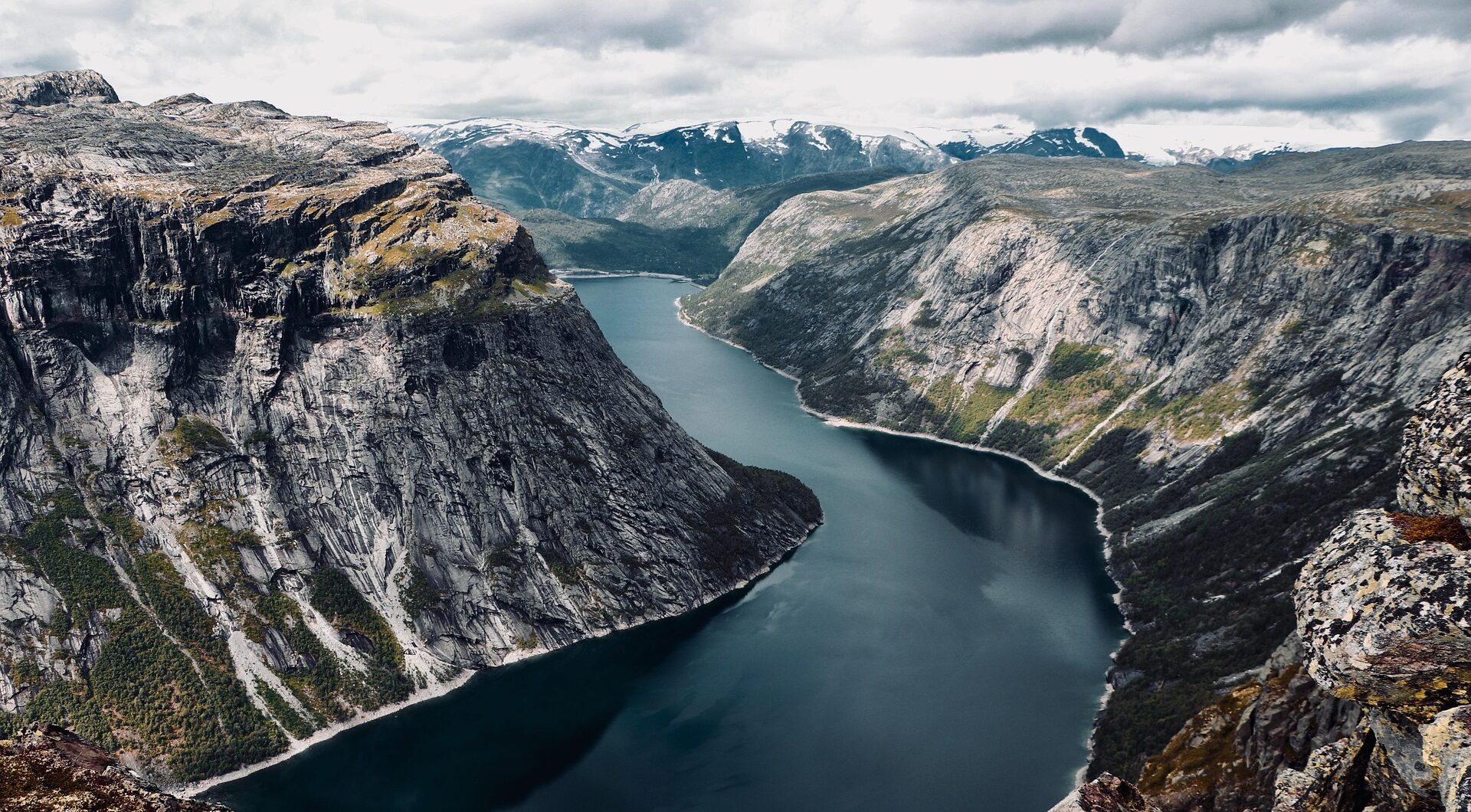
Norwegian Fjords, Norway
Norway’s fjords are built for ships. Roads cling to cliff edges, tunnels run long and dark, and public transport doesn’t always line up with what travellers want to see. Cruising here isn’t a shortcut; it’s often the most direct way in. Sailing into Geirangerfjord or Nærøyfjord gives you the full scale of the landscape without needing to drive hairpin bends or wait for limited buses.
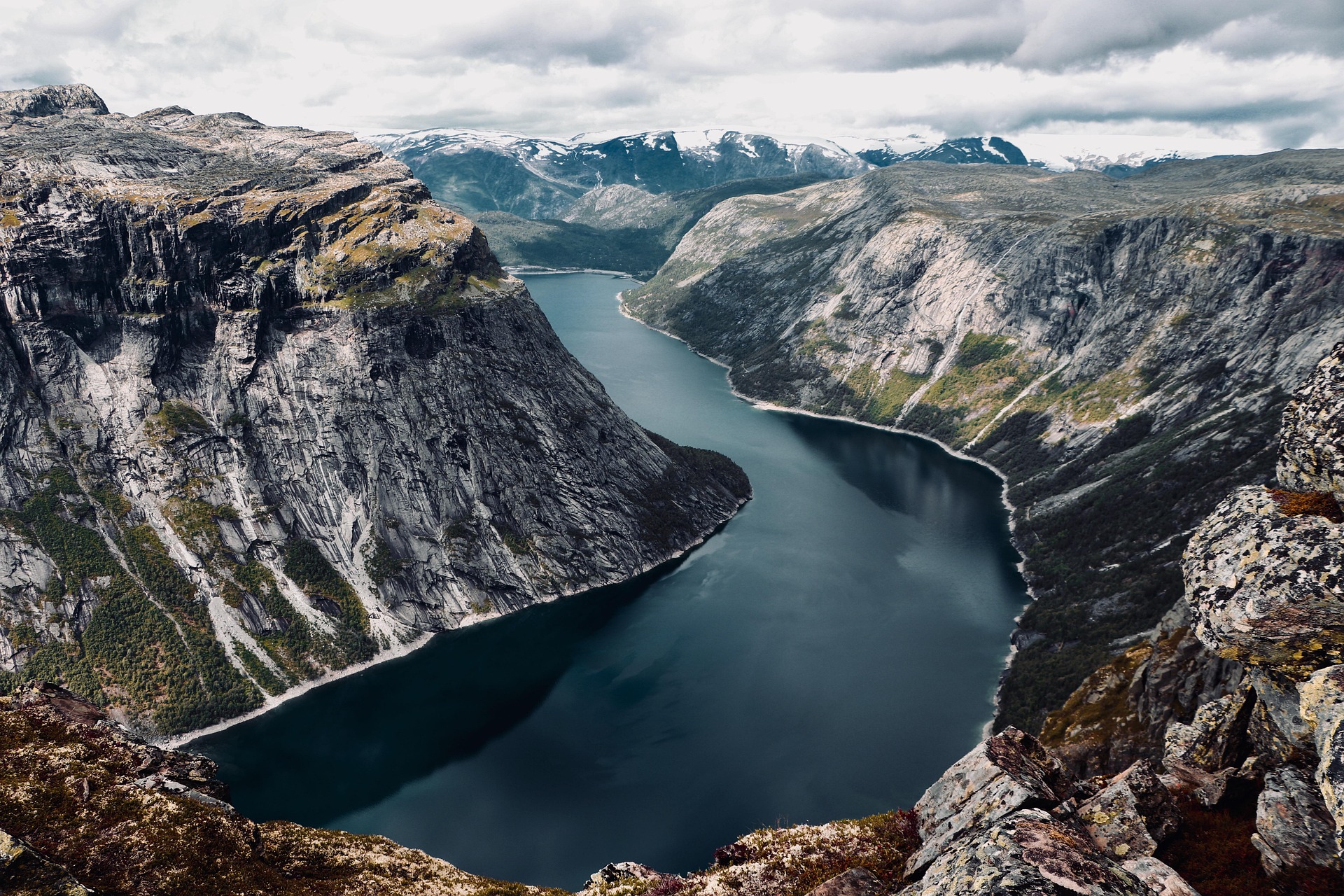
Ports like Flåm, Ålesund, and Olden are small but functional. In Flåm, the railway starts practically at the dock, making it easy to head up into the mountains and back within a day. Olden gives access to the Briksdal Glacier, though conditions change yearly and trips depend on the weather. Ålesund works well for independent wandering, especially if you’re happy climbing the steps to the viewpoint above town.
Small ship cruises in the Norwegian fjords offer a markedly different way to explore this iconic landscape. Narrow waterways and tranquil villages are best experienced with fewer passengers, and longer port calls give you time to really soak it in. The pace feels unhurried, with more moments to watch waterfalls tumble past your window than to rush from sight to sight. In summer, the long daylight hours turn evening sailings into just as magical an experience as daytime excursions. It may not be the cheapest option, but for a journey that combines ease, scenery, and serenity, it makes perfect sense.
Alaska’s Inside Passage, USA
Alaska’s Inside Passage is one of those routes where cruising isn’t just convenient, it’s essential. Many towns aren’t connected by road, and distances are vast. Ships navigate sheltered waterways between islands and mainland, passing forests, glaciers, and small communities that rely on marine access. It’s slow travel in the best sense.
Ports like Juneau, Ketchikan, and Skagway each offer distinct experiences. Juneau sits between mountains and water, with the Mendenhall Glacier a short drive away. Ketchikan focuses on Native heritage and fishing culture, and it still feels like a working town. Skagway leans into its Gold Rush history, but the White Pass railway gives you real insight into how harsh the terrain is beyond the town.
Wildlife sightings aren’t guaranteed, but they’re common enough to feel normal rather than staged. Whales surface during calm crossings, eagles perch near docks, and glaciers crack audibly as ships pass. Weather shifts quickly, so flexibility matters. The Inside Passage suits travellers who enjoy observation and don’t need constant activity. Some days are about standing on deck and watching the shoreline drift by.
The Greek Isles, Greece
The Greek Isles look close together on a map, but moving between them independently can be slow and weather-dependent. A cruise stitches islands together in a way ferries don’t always manage, especially if you’re trying to mix popular stops with quieter ones. Ports like Piraeus (for Athens), Mykonos, and Santorini are busy, but timing matters. Early arrivals or late departures change the experience entirely.
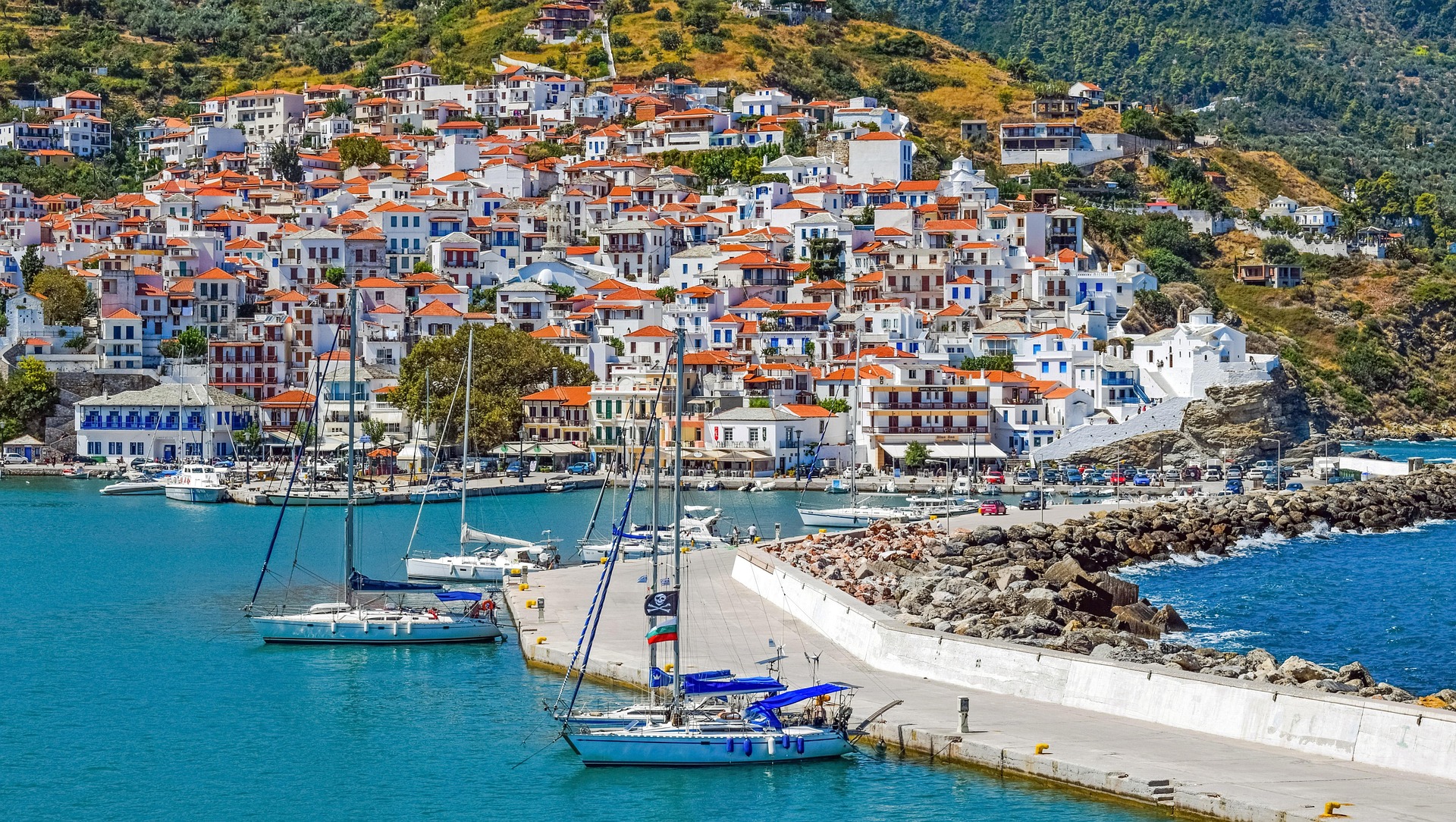
Image by dimitrisvetsikas1969 on Pixabay
Santorini is often criticised for overcrowding, and that’s fair. Still, if your ship arrives early, you can be in Oia before the streets fill. Mykonos works better if you skip the main town and head to beaches like Agios Stefanos or Ornos instead. Rhodes offers something different again, with a medieval old town that’s easy to explore on foot from the port.
Crete, when included, deserves more than a quick glance. Ships docking at Heraklion put you close to Knossos, but also within reach of quieter villages if you’re willing to travel inland.
The key with Greek Isles cruising is choosing itineraries that don’t oversell the highlights. Islands feel different from each other, and the best days are often the less famous stops where you can wander without a plan.
Antarctica Expedition Routes
Antarctica isn’t a cruise in the traditional sense. It’s an expedition, and the ships reflect that. Routes usually depart from Ushuaia in Argentina, crossing the Drake Passage before reaching the Antarctic Peninsula. Seas can be rough, schedules change, and landings depend entirely on conditions. That unpredictability is part of the deal.
Days here revolve around Zodiac landings, short hikes, and wildlife observation. Penguins, seals, and seabirds dominate the experience, but the landscape itself is the focus. Ice formations change daily, and no two landings look the same. Ships carry expert guides who handle logistics and explain what you’re seeing without turning it into a lecture.
There’s no casual wandering or shopping stops. Everything is controlled to protect the environment, including strict limits on where you can go and how many people land at once. Cabins are functional, meals are simple, and days are long. It’s demanding but rewarding, especially for travellers who value access over comfort. Antarctica isn’t somewhere you dip into lightly, and seeing it by ship is currently the only realistic option.
Can a Cruise Show You More Than Just Ports?
Cruising isn’t about ticking boxes, despite what critics say. In the right places, it’s a practical tool. It gets you into landscapes that are difficult, expensive, or time-consuming to reach otherwise.
The Caribbean benefits from smooth island connections. Norway’s fjords make more sense from the water. Alaska’s Inside Passage would be fragmented without ships. Even busy regions like the Greek Isles can work if you plan around timing rather than hype. Antarctica, of course, stands apart entirely. The key is choosing destinations where the ship adds value, not where it just drops you into crowds.