
A bathroom should be a place where you feel comfortable, confident and in control. Yet everyday routines such as showering, bathing, washing hands or using the toilet can become more difficult over time due to reduced mobility, age, injury or illness.
The good news is that creating a more accessible bathroom does not have to mean compromising on style. Today’s accessible bathroom products are designed to be practical, supportive and attractive, helping you create a space that works beautifully for everyday life.
From simple additions such as grab rails and shower seats to larger upgrades like walk-in showers, comfort-height toilets and wet room solutions, there are plenty of ways to make your bathroom safer, easier to use and better suited to long-term independence. Online bathroom retailer Plumbworld explains more about the upgrades homeowners can invest in to make their bathrooms more accessible for everyone in the household.
Why accessible bathrooms matter
The bathroom is one of the most used rooms in the home, but it can also be one of the most challenging. Wet floors, high bath sides, low toilets, awkward taps and limited space can all make daily routines harder than they need to be.
An accessible bathroom is designed to reduce these challenges. It focuses on safer movement, easier reach and practical comfort, helping people use the space with more confidence.
For some, this may mean adapting a bathroom for a specific mobility need. For others, it may be about future-proofing the home before extra support is required. Either way, accessible design is about making everyday life feel simpler and more comfortable.
Start with everyday routines
When planning accessible bathroom upgrades, it helps to think about how the room is used day to day. The best changes are often the ones that solve a specific problem.
Is it difficult to step in and out of the bath? Is there enough support when standing in the shower? Are the taps easy to turn? Is the toilet at a comfortable height? Is there somewhere to sit while washing?
By looking at everyday routines first, it becomes easier to choose products that genuinely improve the way the bathroom works.
Simple upgrades that make a big difference
Not every accessible bathroom project needs a full renovation. Smaller upgrades can make the space much easier and safer to use.
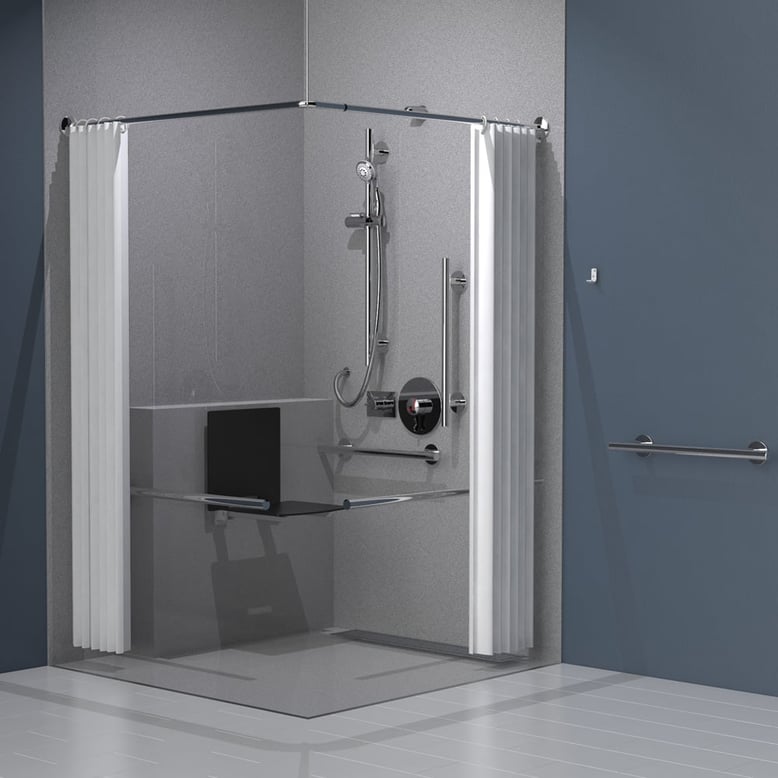
Grab rails are one of the most useful additions. They can provide extra support near the toilet, basin, bath or shower, helping users steady themselves when moving around the room. Modern grab rails are available in a range of finishes, so they can complement the rest of the bathroom rather than look out of place.
Shower seats are another practical option. A fixed or folding shower seat can make showering more comfortable for anyone who finds standing for long periods tiring or unsafe.
Lever taps can also be a simple but effective upgrade. Unlike traditional twist taps, they are easier to operate, particularly for people with reduced grip strength or joint pain.
Make Showering Safer and More Comfortable
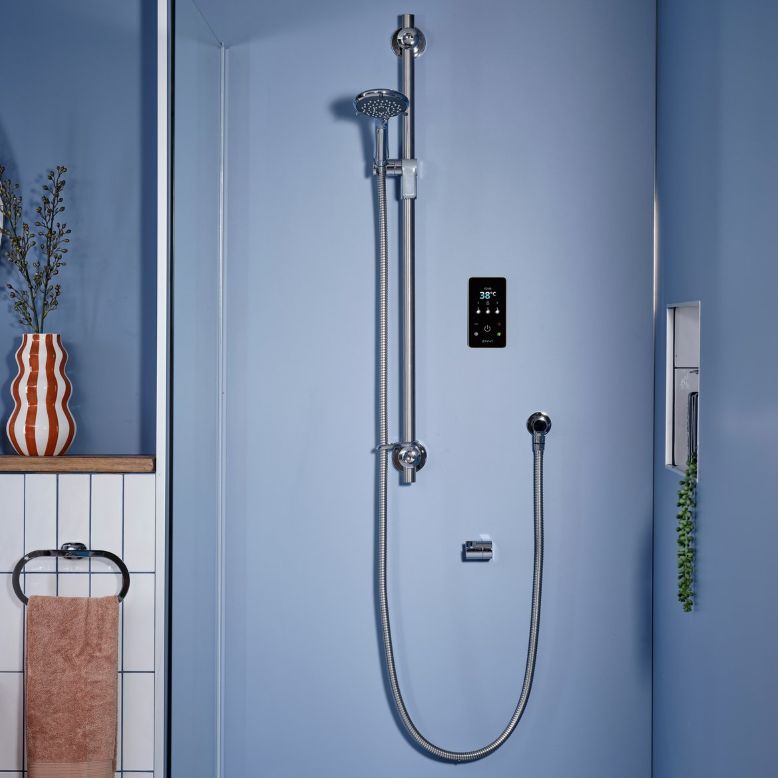
The showering area is often one of the most important parts of an accessible bathroom. Stepping over a high bath edge or into a raised shower tray can be difficult, particularly if balance or mobility is limited.
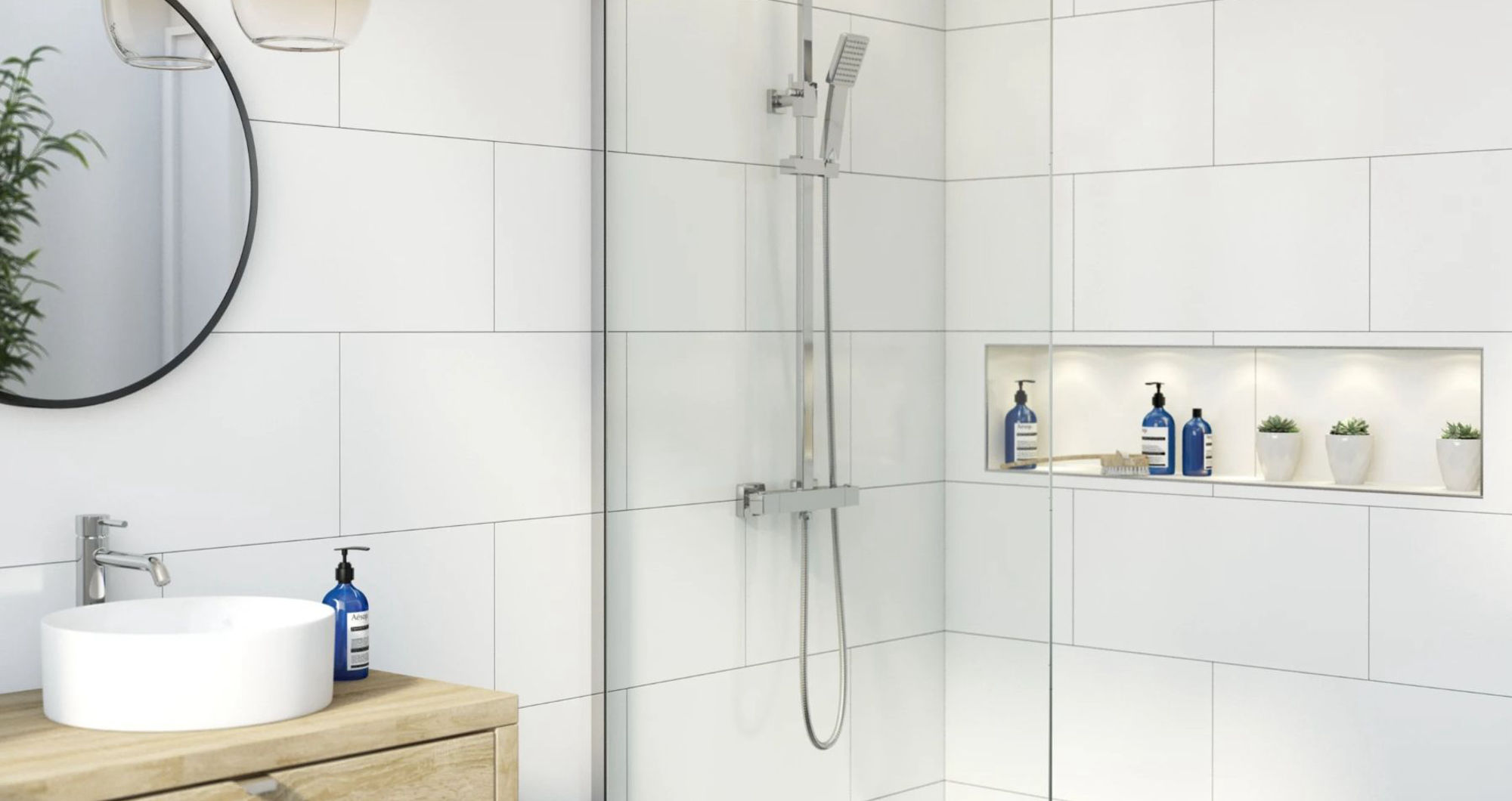
A walk-in shower can help create a more open and accessible washing area. Low-profile shower trays reduce the step into the shower, while wet room screens and wet room trays can help create a spacious, easy-to-navigate layout.
Adding a shower seat and grab rails can provide extra reassurance, helping to make showering feel safer, calmer and more comfortable.
Consider the right toilet and basin
Toilets and basins are often overlooked, but the right choices can make daily routines much easier.
A comfort-height toilet is slightly taller than a standard toilet, making it easier to sit down and stand up. Toilet support rails can also provide added stability and confidence.
At the basin, wall-hung designs can help create more space underneath, while lever taps or infrared taps can make washing hands and getting ready less strenuous. Small changes like these can make the bathroom feel more user-friendly without changing its overall look.
Style still matters
Accessible bathrooms should feel just as stylish and personal as any other bathroom. Today’s accessible products are available in modern finishes such as chrome, black, grey and white, making it easier to match them with your existing design.
The key is to make accessible features feel like a natural part of the room. Grab rails, shower seats, taps and walk-in screens can all be chosen to work with the wider bathroom style, creating a space that feels practical, modern and welcoming.
Think about the future
Accessible bathroom upgrades are not only useful for immediate needs. They can also help future-proof your home.
Mobility needs can change over time, and making considered changes now can help your bathroom remain comfortable and practical for years to come. A walk-in shower, low-profile tray, comfort-height toilet or lever tap may be useful today and even more valuable in the future.
Accessible design can also benefit families, guests and anyone recovering from injury, making the bathroom easier for everyone to use.
Creating a bathroom that works for you and your needs
An accessible bathroom is about more than safety. It is about comfort, confidence and making your home easier to enjoy.
Whether you start with a grab rail, add a shower seat, upgrade your taps or plan a full walk-in shower, every change can help create a more supportive space.
With thoughtful planning and the right products, you can design a bathroom that is practical, stylish and made for everyday independence.