
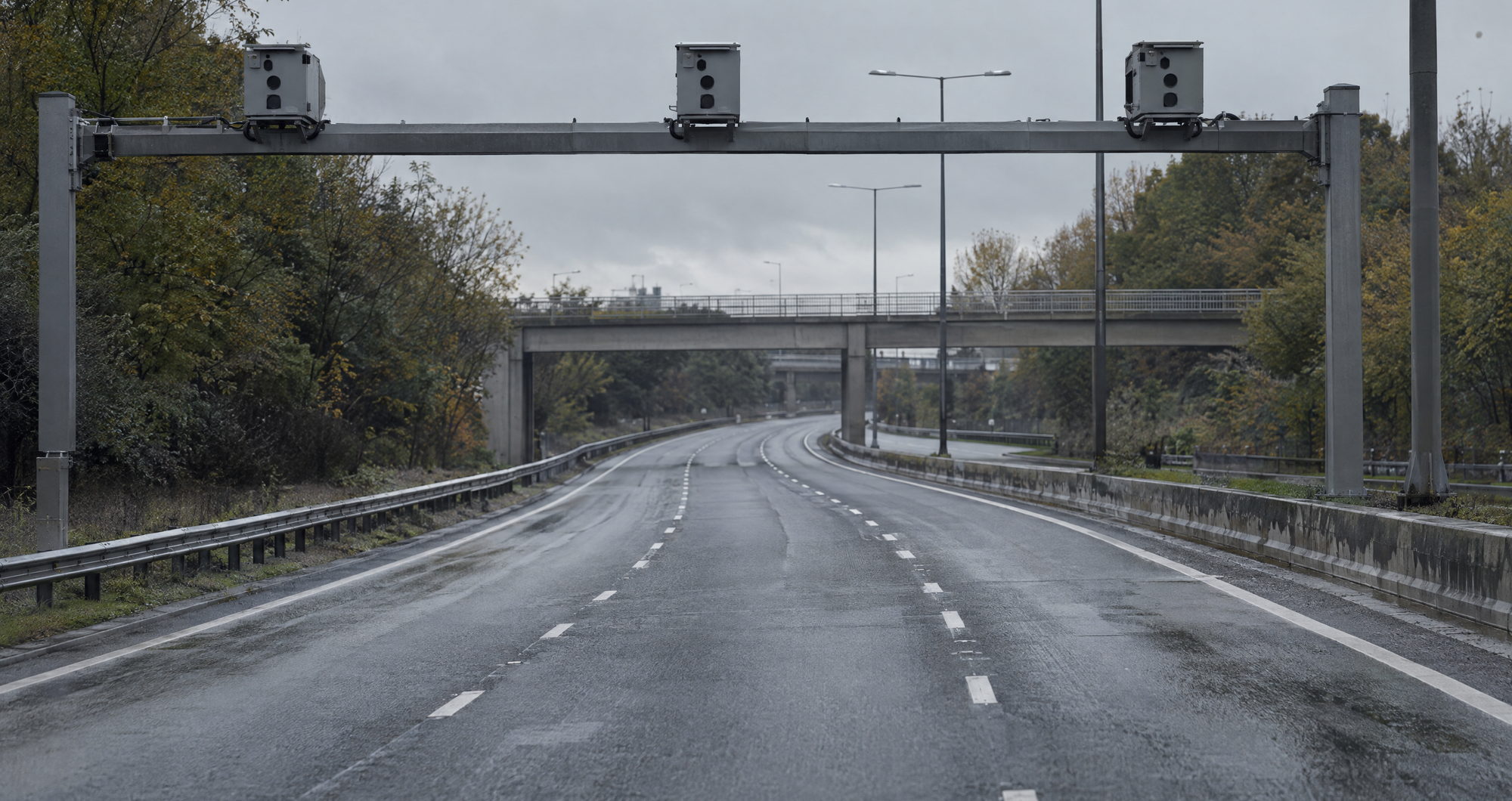

The London Assembly has renewed its call for an immediate independent investigation into the temporary 40mph speed limit imposed on the A20 Sidcup bypass, after members were told that new information suggests the traffic order behind the restriction was invalid.
A motion agreed at the plenary on 5 November asks the Mayor to commission an inquiry into how the limit was introduced and enforced, and into what redress is owed to drivers who were fined under it. More than 66,000 penalties were issued during the 12 months the restriction was in place, raising in excess of £6.5m.
How the limit came about
The limit cut the dual carriageway between Sidcup and Swanley from 70mph to 40mph in October 2023, after a series of collisions in which cars left the road. Transport for London introduced the reduction as a temporary measure while it examined the cause of the crashes.
The restriction stayed in place until October 2024 and was enforced by average-speed cameras, which generated a steady stream of penalties from commuters and freight drivers using one of the main routes between south-east London and the M20.
The problem surfaced in a Crown Court appeal against a conviction. The court heard argument about the validity of the traffic order that underpinned the limit, and the case exposed a defect in the legal basis on which enforcement had proceeded. The Assembly says the new information indicates the original order was invalid.
What members are asking for
The motion was proposed by Thomas Turrell and seconded by Elly Baker. It calls for an independent investigation to begin immediately, rather than a review conducted inside TfL, on the grounds that the public will not accept an inquiry carried out by the organisation whose processes are under scrutiny.
Members also want clarity on the enforcement revenue. If the order was invalid, penalties collected under it were collected without lawful authority, and the question of refunds and of the cost of administering them falls on TfL and on the bodies that operate the camera network.
The Mayor has denied any cover-up and has resisted calls for an independent inquiry, arguing that TfL acted on safety grounds and that the legal position is being examined. The Assembly’s position is that the denial does not answer the central question of how an invalid order came to be used for a year.
Why it matters beyond one road
Traffic orders are the legal plumbing of every speed limit, bus lane, banned turn and loading restriction in London. They are drafted by boroughs and by TfL, and enforcement depends on them being correct. If a defect can go unnoticed through the design, consultation, sealing and enforcement stages, the same risk applies to other schemes.
The case also raises questions about how TfL monitors the legal basis of restrictions once they are in force. Temporary orders have time limits and specific procedural requirements, and the Assembly wants to know whether any other live restrictions share the same flaw.
For drivers, the practical stakes are significant. A £100 penalty with a discount for early payment is a minor cost individually, but multiplied across tens of thousands of motorists it becomes a substantial transfer of money, and one that is difficult to reverse once paid.
TfL has said safety was its priority and that it introduced the 40mph limit in response to serious incidents on the road. That argument may well be accepted on the substance. It does not resolve the procedural question, which is whether the authority had the power to do what it did in the way that it did it.
The Assembly’s motion does not compel the Mayor to act. It does put the issue on the record, and it gives campaigners and affected drivers a formal statement of the case for an inquiry that they can take to the London government and, if necessary, to the courts.







