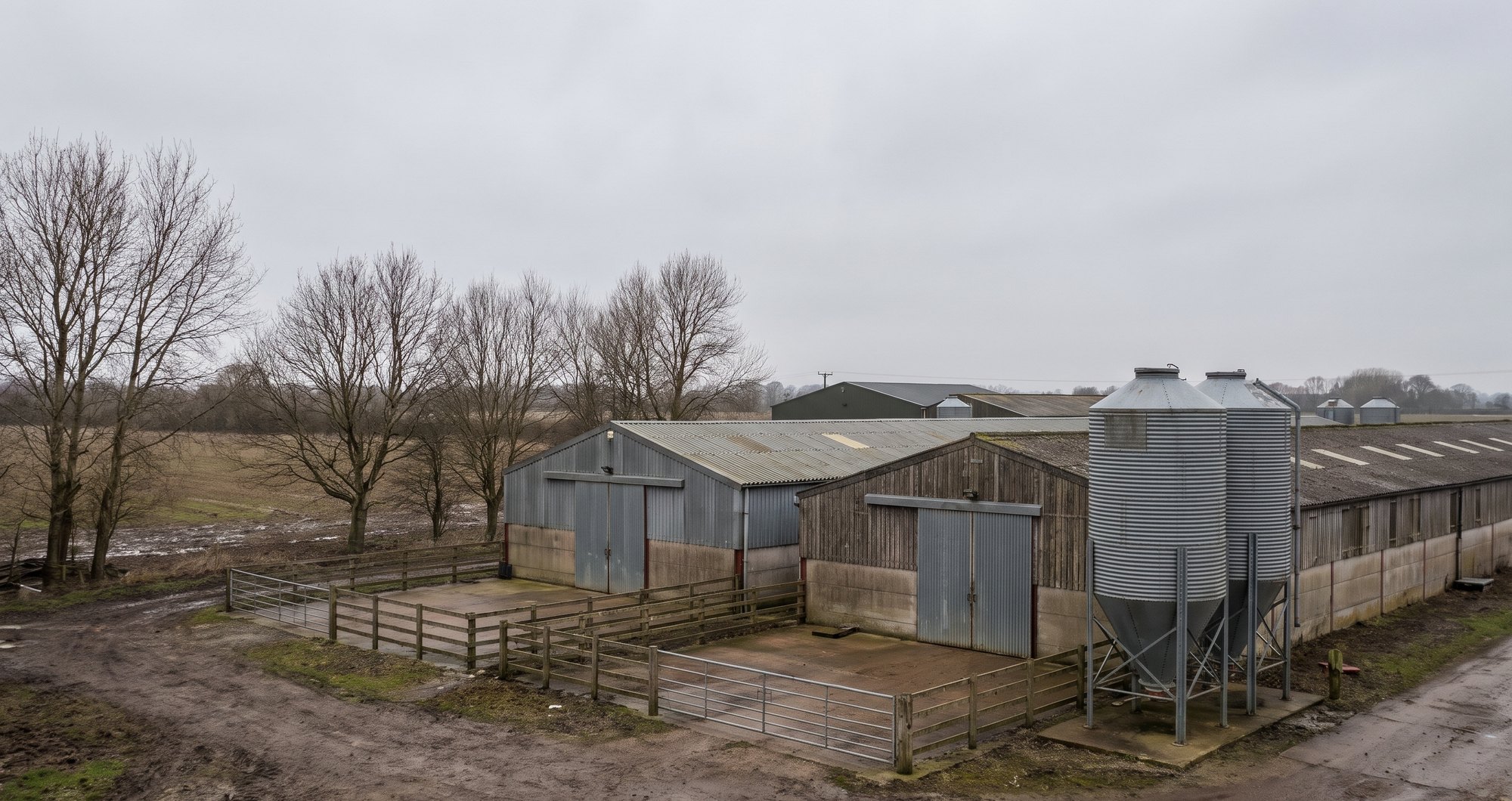

The government confirmed highly pathogenic avian influenza H5N1 in commercial poultry near Pocklington in the East Riding of Yorkshire on 7 November 2026. The case, recorded by Defra and the Animal and Plant Health Agency as AIV 2026/25, has led to the immediate declaration of a 3km protection zone and a 10km surveillance zone and an order that all poultry on the infected premises be humanely culled.
Defra and the Animal and Plant Health Agency said keepers inside the declared zones will face restrictions on moving poultry, poultry by-products, eggs, material and mammals, and that licences will be required for some movements. The government has published an updated disease control zone map covering the affected area, and it has directed keepers to a case page that explains whether a licence is needed for particular movements.
Scope and uncertainty
The government has not disclosed how many birds are kept on the infected premises or how the infection was introduced, and it is not known whether linked cases will be identified within the surveillance zone. The Animal and Plant Health Agency recorded the incident as AIV 2026/25. No regional housing order has been announced for the wider area.
Surveillance work and testing of suspect birds in the 10km zone are the immediate priorities, the agencies said, but the duration of restrictions will depend on the results of that work. The agencies also emphasised that the protection and surveillance zones trigger legally binding measures intended to prevent onward spread and to detect further infection.
Local sector and supply concerns
East Yorkshire has a significant poultry and egg production sector that supplies retailers and food manufacturers. Defra said that avian influenza restrictions typically require enhanced biosecurity and that they have the potential to disrupt supply chains, particularly in the run-up to Christmas when demand for poultry and eggs rises.
The government urged bird keepers across the affected area to maintain strict biosecurity, to report any signs of disease without delay, and to consult the published guidance on movements and licensing. The case page for AIV 2026/25 sets out practical steps for keepers and explains how to apply for licences where necessary.
This incident follows other confirmed outbreaks of H5N1 in England this autumn. In October a commercial premises in Northumberland was confirmed as infected, prompting the county council to call on keepers to follow government guidance. Local authorities and animal health agencies have continued surveillance and advisory activity in response to those earlier cases.
Under the declared protection and surveillance zones, keepers are legally required to observe movement controls and enhanced cleanliness and hygiene measures. Restrictions apply to direct movements of birds and eggs and to materials that could carry infection, including bedding and equipment. Some movements may be allowed under a licence issued by the relevant authorities, Defra said.
Public health agencies have previously advised that the risk to human health from the current strains of avian influenza remains low for the general public. The government statement on this case reiterated the need for vigilance among those who work closely with birds, and for immediate reporting of unusual illness or increased mortality in poultry.
What happens next will depend on the outcome of the surveillance and testing being carried out inside the 10km zone. If further infection is detected, additional measures could be taken. At this stage the government has limited its announcement to the declaration of zones and the culling order for the infected premises.
Keepers and others affected by the restrictions are being advised to consult the updated disease control zone map and the case page for AIV 2026/25 for details on licensed movements, reporting procedures and the legal obligations that apply within the protection and surveillance zones.