


BREAKING NEWS: Ongoing Racial Injustice and Discrimination within Ombudsman Outcomes – Time for Urgent Reform
The on-going case of Mother of three, a Black mother of three in London, highlights a disturbing pattern of racial injustice and discrimination that extends beyond individual incidents and reflects systemic failures in the UK’s Ombudsman system. Mother of three, experience of being ignored by the Local Government and Social Care Ombudsman (LGSCO) and Housing Ombudsman, alongside the misconduct of her landlord, Richmond Housing Partnership (RHP), underscores the urgent need for reform within these oversight bodies. This case is not an isolated one; it reflects broader issues that disproportionately affect racial minorities in the UK.
The Ombudsman System: A Broken Safety Net?
The Ombudsman system is designed to serve as a safety net, providing individuals with independent and impartial investigations into issues involving public services, including housing, education, and social care. However, mounting evidence suggests that the system is falling short, particularly for marginalized groups such as the Black community and other racial minorities.
In Mother of three case, she has lodged nine complaints with the LGSCO, all of which are still awaiting assessment. A tenth complaint, submitted to the Housing Ombudsman, has also been left unaddressed, even though it involves urgent issues such as housing disrepair, unlawful eviction, and the removal of her two daughters, both of whom have complex needs. The delays and inaction in Mother of three case are emblematic of a broader trend of neglect and bias within the Ombudsman system.
Racial Disparities in Ombudsman Outcomes
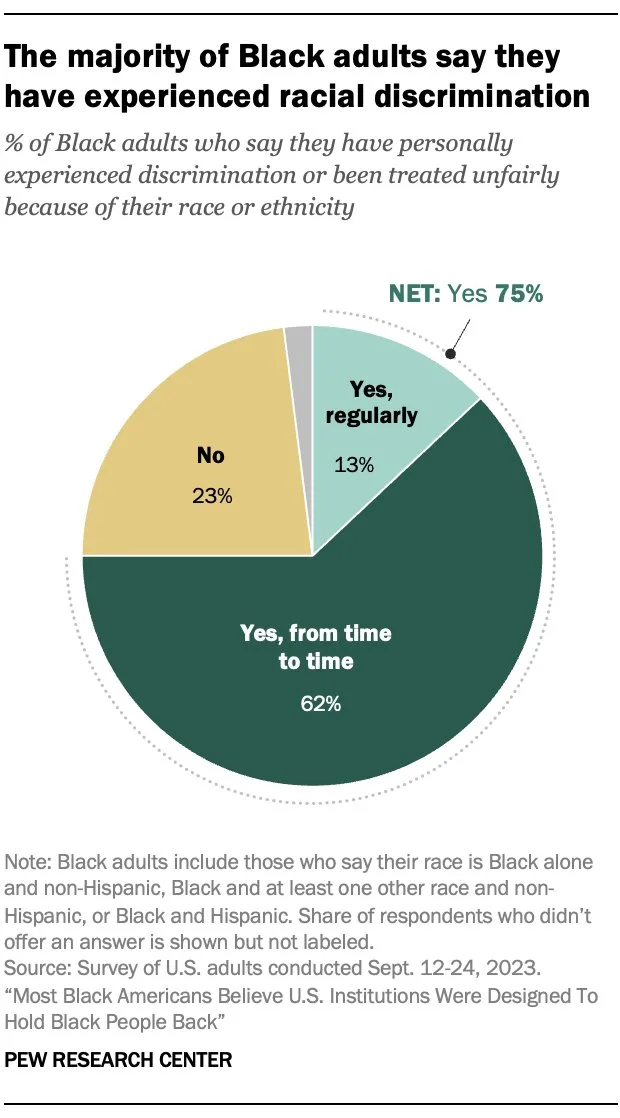
There is a growing body of evidence to suggest that the outcomes of Ombudsman investigations are not equal across different racial groups. Studies and reports have pointed to disparities in how complaints from the Black community, as well as other minority ethnic groups, are handled compared to those from the White community. These disparities manifest in multiple ways:
Delays in Investigations: Like Mother of three, many Black and minority complainants report longer waiting times for their cases to be assessed and resolved. This delay often exacerbates their situation, particularly in cases involving urgent matters such as housing disrepair, unlawful evictions, and social care failures.
Dismissal of Complaints: Racial minorities are more likely to have their complaints dismissed or categorized as ‘less urgent’ compared to their White counterparts. This tendency reflects an institutional bias that minimizes the concerns of people of colour, especially in situations involving complex issues like racial discrimination or disability.
Less Favorable Outcomes: Even when complaints are investigated, racial minorities often receive less favorable outcomes. There is a pervasive sense that the system is skewed towards protecting institutions rather than holding them accountable, particularly when the complainants are from marginalized racial groups.
Lack of Cultural Competency: The Ombudsman system often lacks the cultural competency required to fully understand the unique challenges faced by racial minority communities. This lack of understanding can lead to misjudgment’s and inadequate resolutions that fail to address the root causes of the issues raised in complaints.
A Case for Immediate Ombudsman Reform
The clear racial disparities in how the Ombudsman system handles complaints from different communities call for urgent reform. Without these changes, the system will continue to fail those who need it most. Mother of three’s case, along with countless others like it, underscores the need for immediate action to ensure that the Ombudsman system is not just impartial in theory, but also in practice.
Here are several key areas where reform is essential:
1. Transparency and Accountability in Investigations
The Ombudsman system needs to be more transparent about how it handles complaints, particularly in cases involving racial discrimination. One way to ensure transparency is to introduce publicly accessible data that shows the outcomes of complaints across different racial and socio-economic groups. This data would help to identify any patterns of racial disparity, allowing for targeted reforms to address these imbalances.
Moreover, Ombudsman bodies should be held accountable for their decisions. In cases where complaints are delayed or dismissed, there should be a clear process for appeal and review. Independent oversight bodies should be established to audit the performance of the LGSCO and Housing Ombudsman, ensuring that they are upholding their mandate to provide fair and impartial investigations for all.
2. Training on Racial Bias and Cultural Competency
To address the deep-rooted biases that contribute to unequal outcomes, the Ombudsman system should implement mandatory training on racial bias and cultural competency for all staff. This training should focus on understanding the specific challenges that racial minority communities face, from housing discrimination to social care disparities.
It is essential that those conducting investigations are aware of how their own biases might affect their judgment. By increasing awareness and promoting cultural sensitivity, Ombudsman bodies can ensure that their decisions are based on a thorough and nuanced understanding of the issues at hand.
3. Independent Racial Equality Task Force
An independent task force focused on racial equality within the Ombudsman system could play a pivotal role in ensuring that reforms are implemented effectively. This task force should consist of experts in racial justice, housing rights, and social care who can provide on-going guidance and oversight to the LGSCO and Housing Ombudsman.
The task force could also act as an intermediary for complainants from racial minority backgrounds, ensuring that their cases are heard and handled with the urgency and seriousness they deserve. By providing an additional layer of oversight, the task force could help to rebuild trust between racial minority communities and the Ombudsman system.
4. Enhanced Protections for Vulnerable Groups
Special attention should be given to vulnerable groups, including those with disabilities, like Mother of three’s daughters. Ombudsman bodies must ensure that complaints involving individuals with complex needs are given priority and that reasonable adjustments are made to accommodate their circumstances.
Disability and racial discrimination should be treated with the seriousness they deserve, with clear policies in place to ensure that institutions like RHP are held accountable for any failures to uphold the Disability & Equalities Act. Cases like Mother of three’s illustrate how the intersection of race and disability can lead to compounding disadvantages, making it all the more crucial for the Ombudsman system to provide adequate protection and redress for such individuals.
5. Stronger Enforcement Powers for Ombudsmen
One of the most significant criticisms of the Ombudsman system is its lack of enforcement power. Even when an Ombudsman finds in favor of a complainant, there is often little they can do to compel institutions to take corrective action. This lack of authority is particularly problematic when it comes to cases involving systemic issues, such as racial discrimination and housing disrepair.
To address this, Ombudsman bodies should be granted stronger enforcement powers, allowing them to impose fines, mandate corrective action, and, in extreme cases, recommend that offending institutions be dissolved or placed under government control. Mother of three’s request to dissolve RHP and return it to central government oversight is an example of the kind of drastic measures that should be available in cases of persistent mismanagement and misconduct.
Global Implications: A Call for Change Beyond the UK
The issues facing the UK’s Ombudsman system are not unique. Across the globe, marginalized communities often face similar challenges when seeking redress from public services and government bodies. In many cases, racial minorities are disproportionately affected by systemic failures in housing, education, healthcare, and social services.
The reforms proposed for the UK’s LGSCO and Housing Ombudsman should serve as a model for other countries facing similar challenges. By implementing transparent, accountable, and culturally competent systems, governments around the world can begin to address the disparities that plague their own Ombudsman bodies.
Conclusion: Who Can We Trust in 2024?
In 2024, the question remains: who can citizens trust to deliver independent, professional investigations when the very systems designed to protect them are failing? For the Black community and other racial minorities, the answer is increasingly unclear.
Mother of three’s case is a wake-up call for the UK government, Ombudsman bodies, and public institutions. Without immediate reforms, the Ombudsman system will continue to exacerbate existing inequalities, leaving racial minority communities vulnerable to systemic discrimination and injustice.
By addressing the clear racial disparities in Ombudsman outcomes, implementing targeted reforms, and strengthening accountability, the UK can begin to restore faith in its public services. For Mother of three, her daughters, and countless others, these changes cannot come soon enough.
Feature Image by Jörg Hertle from Pixabay







