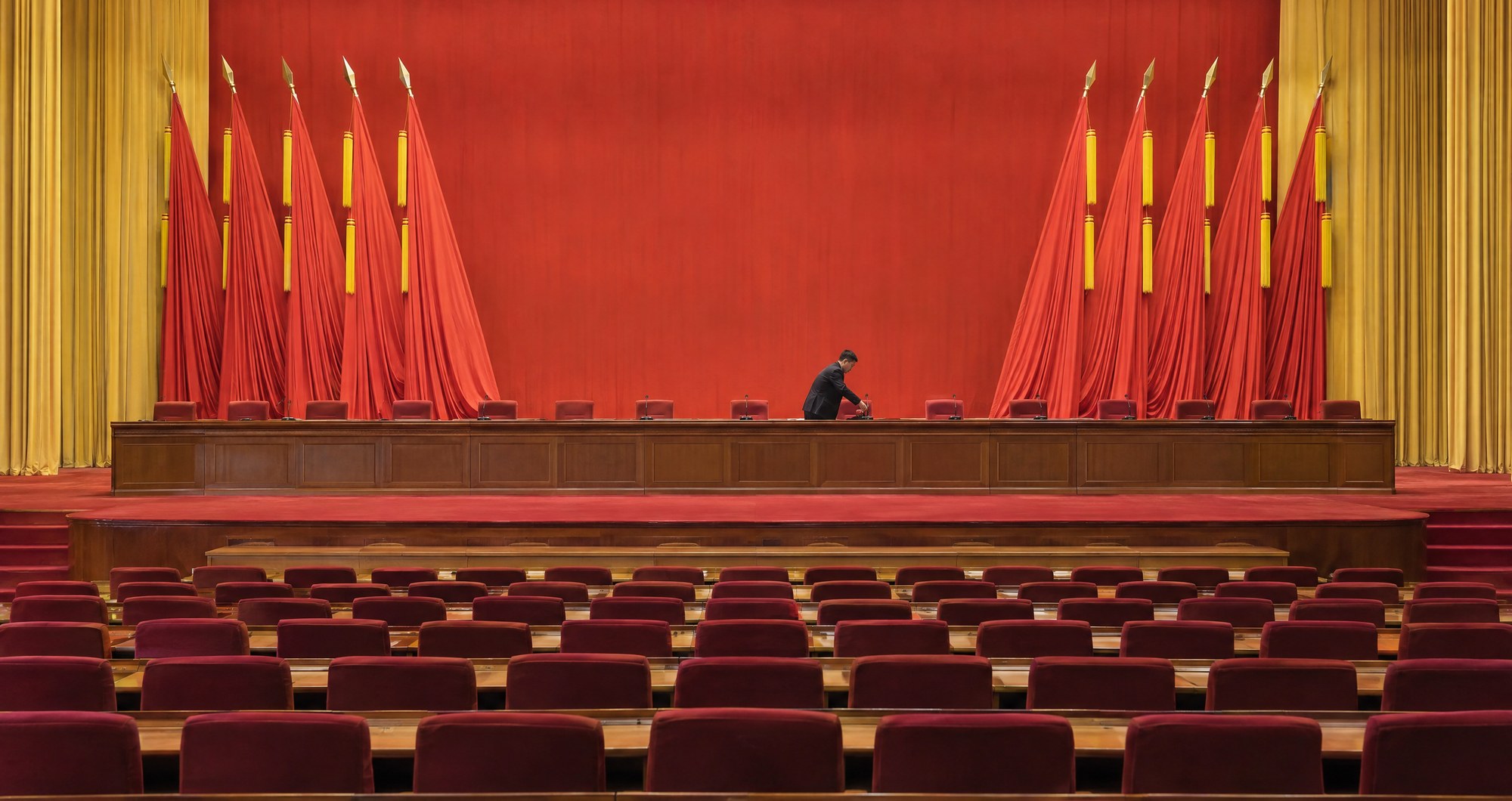

China’s Communist Party has begun selecting a record 2,360 delegates for its next national congress, opening the formal preparations for a leadership reshuffle expected in the second half of 2027. The gathering in Beijing will choose new central party bodies, while Xi Jinping, 73, has given no indication whether he will seek a fourth term.
The Organisation Department of the party’s Central Committee published the selection rules at the weekend. Elections across 38 electoral units must be completed by the end of June 2027, ahead of the 21st National Congress later that year.
The delegate quota is 60 higher than the 2,300 places allocated for the 20th congress in 2022. The increase establishes the size of the gathering, but does not in itself reveal who will gain senior positions or how the leadership will be constituted after the congress.
A larger delegation with fixed selection rules
The delegates will be drawn from a party with more than 101 million members and 5.4 million party organisations. The rules set both the overall number of places and requirements governing the candidate lists from which delegates will be elected.
Those lists must contain more than 15 per cent more candidates than available seats. That means the number nominated for election must exceed the number ultimately chosen, rather than simply matching each candidate to a place.
The timetable gives electoral units until the end of June to complete their selections. The congress is scheduled for the second half of 2027, although an exact opening date is not included in the supplied arrangements.
The enlarged quota is a measurable change from the previous congress. It allows for a broader intake in numerical terms, but the selection process remains governed by centrally published rules on candidate numbers, delegate composition and eligibility.
Neither the extra 60 seats nor the requirement for additional candidates establishes that the process will produce a contested leadership succession. The rules describe how the delegation will be assembled, not the outcome of the senior appointments that will follow.
Minimum shares for front-line workers
The Organisation Department’s requirements also specify minimum levels of representation for front-line workers. They must account for at least one-third of delegates from provincial-level regions, central financial institutions and central state-owned enterprises.
A separate threshold applies to central party and state departments, where front-line workers must make up at least 15 per cent of delegates. The distinction means that the same minimum share does not apply across all parts of the selection process.
These requirements concern the composition of the congress delegation. They do not specify the share of posts that front-line workers will hold in the new Central Committee or other leadership bodies elected after delegates gather in Beijing.
Together, the quotas and candidate-list requirements set limits within which the 38 electoral units will conduct their elections. The overall delegation will be larger than in 2022, while its make-up will be subject to the stated representation rules.
Warning against vote-buying and misconduct
A Central Committee circular has warned against vote-buying and other electoral misconduct, with stricter oversight of the selection process. The warning accompanies the start of delegate elections, rather than constituting a finding that particular candidates or electoral units have broken the rules.
Every delegate will also be vetted by a qualification review committee before the congress opens. Election by an electoral unit is therefore not the final stage of the process: the arrangements include a further review before delegates take part in the gathering.
The combination of election rules, representation thresholds and qualification checks points to a managed intake. It does not, on the information available, establish the balance between leadership groupings or identify which officials may advance at the congress.
For those assessing China’s next leadership, the distinction is important. Delegate selection begins the formal preparations and provides a timetable to follow, but the published figures alone cannot settle questions about succession or the allocation of senior posts.
Leadership decisions remain ahead
The congress will elect a new Central Committee and Central Commission for Discipline Inspection. The leadership selection process then proceeds to the choice of the Politburo and its Standing Committee.
That makes the delegate elections an early institutional step towards the expected reshuffle, rather than an announcement of the next leadership. Xi’s intentions remain unstated, and the selection rules do not answer whether he will seek another term.
The next fixed deadline is the end of June 2027, when elections across all 38 units must be complete. Qualification checks will follow before the congress opens in Beijing during the second half of the year.