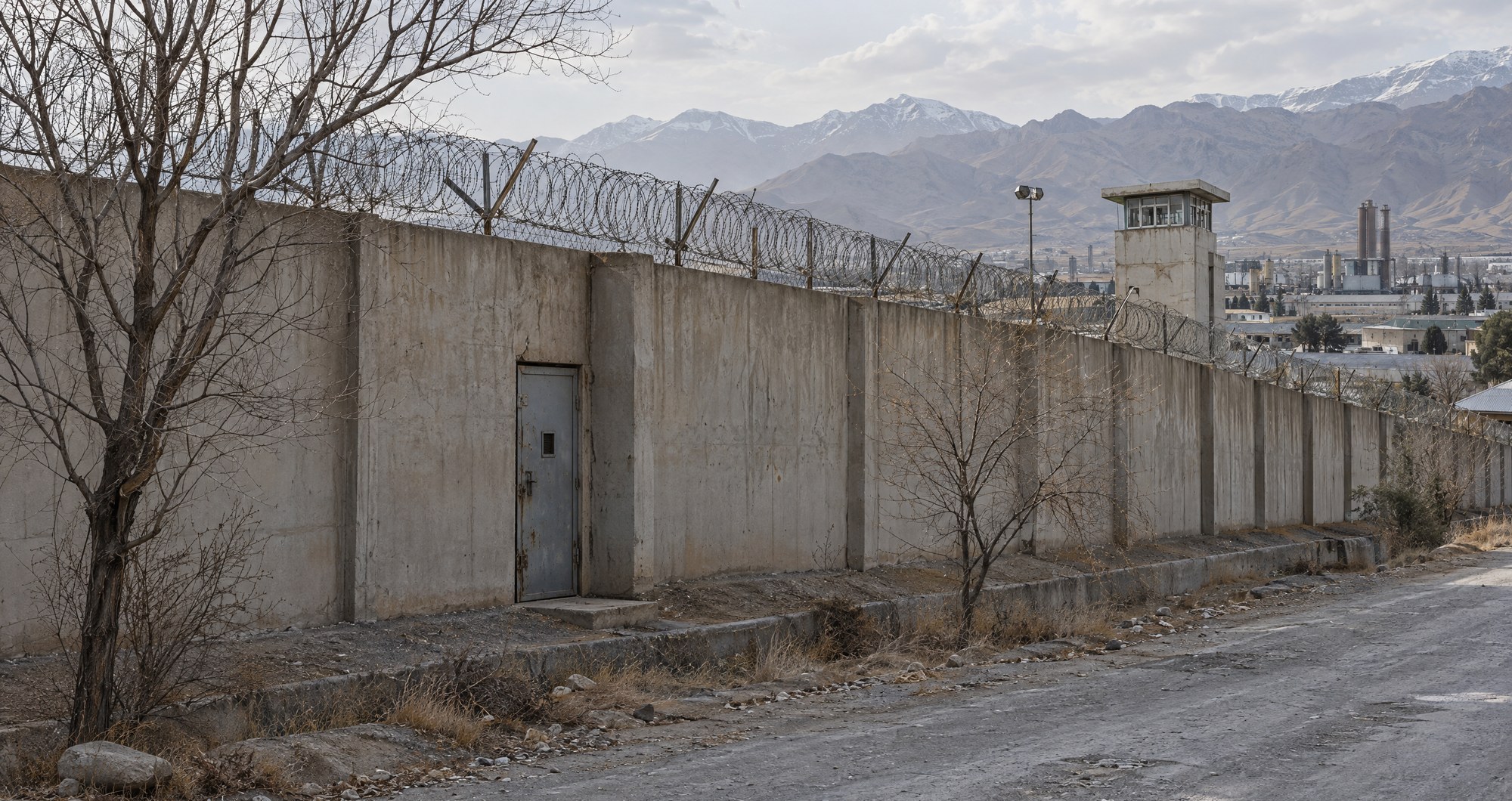

Iran executed three men at dawn on Sunday, 8 November, for offences linked to the nationwide protests of 8 and 9 January, according to the judiciary and human rights groups. Hassan Divband, Hamid Kazemi and Reza Zanganeh were hanged at Ghezel Hesar prison in Karaj, west of Tehran.
The executions bring renewed attention to the use of capital punishment in cases connected to the January demonstrations. The Hengaw Organization for Human Rights says it has recorded 40 executions linked to those protests this year, within a wider total of at least 710 executions across Iran since the start of 2026.
The three men were convicted by Branch 2 of the Karaj Revolutionary Court of moharebeh, or waging war against God, and of acting for Israel, the United States and hostile groups. The allegations included attacks on public and government buildings and damage to electricity infrastructure during the two days of protests.
Death sentences and confiscation of property
The court also ordered the confiscation of the men’s assets, including homes, a repair workshop and vehicles. Eight other defendants in the same case received prison sentences ranging from five to ten years. The proceedings therefore resulted in both death sentences and lengthy prison terms, alongside the loss of property ordered by the court.
The convictions establish what the Iranian court decided, rather than independently establishing the truth of the allegations against the men. The information available does not set out the evidence considered by the court or explain how it assessed the accusations of acting for foreign states and hostile groups.
The judiciary confirmed that the executions had taken place but did not identify the prison. Hengaw said the men were hanged secretly. Its account identifies Ghezel Hesar prison as the location, while the judiciary’s confirmation establishes that the sentences were carried out.
The distinction matters because the official confirmation and the human rights group’s account provide different levels of detail. The judiciary acknowledged the executions; Hengaw supplied information about their location and described the circumstances as secret. No further details about notification before the hangings are included in the available information.
Rights group questions allegation against car technician
Hengaw said Zanganeh was 27 and worked as a car technician. According to the organisation, he was accused of collaborating with Mossad on the basis of his occupation and previous work-related travel. That account concerns the basis of the accusation against him, not an independently verified finding that he had links to the Israeli intelligence service.
The information supplied gives no equivalent detail about Divband’s or Kazemi’s occupations or the specific evidence cited against them. Nor does it set out separate findings for each man concerning the alleged attacks on buildings or damage to electricity infrastructure.
Those limits leave important questions about the individual cases unanswered. The charges described collectively do not explain which acts were attributed to each defendant, how the alleged foreign connections were established, or how the court distinguished between those sentenced to death and those given prison terms.
The eight co-defendants’ sentences, of between five and ten years, show the broader reach of this prosecution beyond the three executions. However, the available account does not identify those defendants or give the individual sentences and findings against each of them.
Protest cases form part of a wider execution toll
Hengaw counts 79 political and religious prisoners executed in Iran in 2026, including the 40 whose cases it links to the January protests. Those figures form part of its tally of at least 710 executions overall. The totals are the organisation’s figures and have not been independently verified.
A separate review by Human Rights Watch and the Abdorrahman Boroumand Center raised concerns about the allegations underlying protest-related execution cases. The organisations said in September that 16 of the 29 cases they reviewed contained no allegation of killing. Their finding relates to that reviewed group, not necessarily to every protest-linked death sentence.
That review provides context for scrutiny of the latest executions, but it does not establish whether the cases of Divband, Kazemi and Zanganeh were among those examined. The supplied account of their convictions lists attacks on buildings and electricity infrastructure without providing a full account of the allegations or evidence.
Further scrutiny of these cases will depend on information about the court’s reasoning, the evidence against each defendant and the circumstances of the executions. For now, the confirmed outcome is that three men have been put to death, eight others have received prison terms and property confiscation was ordered in a prosecution linked to the January protests.