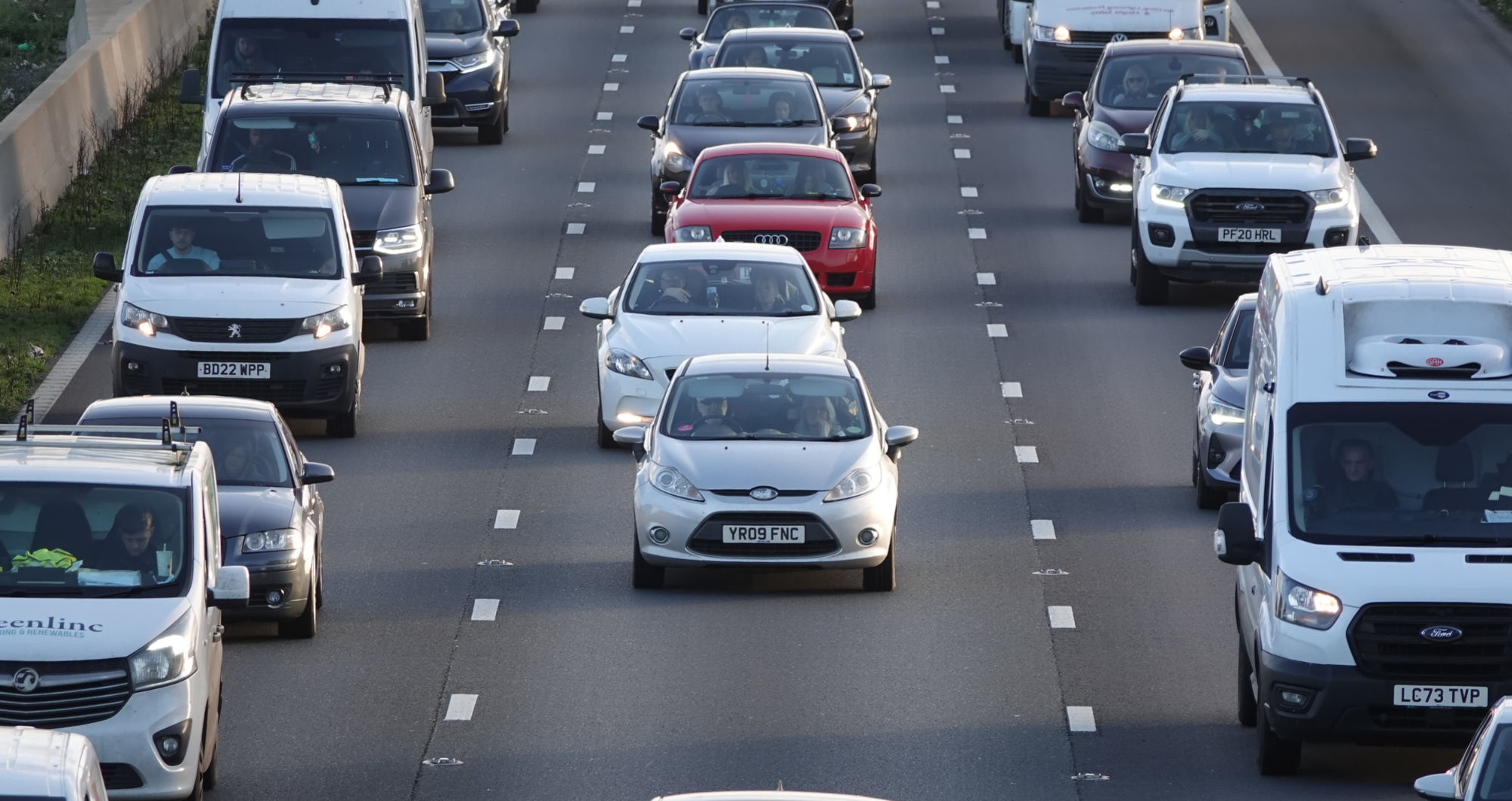

A landmark High Court judgment, expected imminently, could force compensation payments to 1.6 million UK drivers. Here’s everything you need to know.
Ten years ago, the name Volkswagen became synonymous with corporate dishonesty on an industrial scale. The original Dieselgate scandal, in which VW admitted to fitting “defeat devices” in millions of cars worldwide to cheat emissions tests, shocked regulators, humiliated governments, and cost the company more than £32 billion in fines and settlements globally. In England and Wales alone, over 91,000 drivers eventually received an average of £2,100 each in a settlement reached in 2022.
But that, it turns out, may have been just the opening act.
Right now, Britain’s High Court is sitting on what lawyers are calling the largest group action in English legal history, and a judgment is expected imminently. Sources close to the proceedings suggest the ruling could be handed down before the end of June 2026. This summer, Lady Justice Cockerill is set to rule on whether five major car manufacturers installed illegal software in their diesel vehicles to deceive regulators, and whether over 1.6 million British motorists were, in effect, sold a lie.
What Is the Pan-NOx Trial?
Formally known as the Pan-NOx group litigation and sometimes dubbed “Dieselgate 2”, this case extends the scandal far beyond Volkswagen. The five lead defendants are Mercedes-Benz, Ford, Renault, Nissan, and Peugeot-Citroën (part of Stellantis). Collectively, they face allegations that their diesel vehicles, produced between 2009 and 2020, were fitted with prohibited defeat devices: software that detected when a car was undergoing an official emissions test and suppressed nitrogen oxide (NOx) output to pass, only for real-world emissions to be significantly higher once the car was back on the road.
The trial opened at the High Court in London on 13 October 2025 and ran for ten weeks, concluding before Christmas. Three further weeks of closing submissions followed in March 2026. The judgment on liability, the critical question of whether defeat devices were actually present, is now awaited.
The total value of the claims is estimated at £6 billion, based on an anticipated payout of around £4,000 per vehicle, though manufacturers fiercely dispute that figure. If the claimants succeed on liability, a separate quantum trial to determine compensation is already scheduled for October 2026.
Why This Case Matters
The numbers alone are striking. Twenty-two law firms are involved on the claimants’ side, representing well over a million motorists who paid for vehicles they allege were misrepresented. This isn’t a case about a technical disagreement over engineering tolerances. At its heart, it’s an allegation that some of the world’s most powerful automotive companies deliberately deceived both regulators and the public about the pollution their cars produced.
The stakes for public health are real. A 2025 report from the Centre for Research on Energy and Clean Air found that excess NOx emissions caused 124,000 premature deaths and 98,000 new cases of childhood asthma across the UK and Europe. NOx gases, a family of chemicals produced primarily by diesel engines, are linked to respiratory and cardiovascular disease and have been at the centre of the UK’s long-running struggle with urban air quality.
Beyond compensation, the trial represents a test of whether English courts can deliver collective justice at scale. Opt-in group litigation in the UK has historically been far more limited than American-style class actions, but this case suggests the legal landscape is shifting fast.
Billions Could Go Unclaimed
Despite the scale of this litigation, awareness and uptake among eligible diesel drivers remain worryingly low. An estimated 11 million vehicles in the UK may be affected by the excess emissions issue, yet only around 1.6 million owners have so far registered a claim. That means that many motorists eligible for a diesel claim have not yet signed up, leaving billions of pounds of compensation at risk of going unclaimed.
Most claims are handled on a no-win, no-fee basis, meaning there is no financial risk for drivers in registering. Yet legal firms involved in the case warn that time pressures and registration deadlines may ultimately shut out those who delay. If you owned a diesel car between 2009 and 2020, checking your eligibility now costs nothing and could be worth thousands of pounds.
The Manufacturers’ Defence
The five car companies have not rolled over. All have denied the allegations, arguing that the emissions management systems in their vehicles were legally justified. Mercedes told the BBC that the mechanisms used were “justifiable from a technical and legal standpoint.” Renault and Stellantis have maintained that their vehicles were compliant with regulations at the time of sale.
Their core argument draws a distinction between defeat devices, software specifically designed to cheat tests and unambiguously illegal, and thermal protection systems, which reduce emissions controls in cold weather to protect engine components. This latter category has some legal cover, and the manufacturers claim their systems fall within permissible exceptions. Whether the court accepts that distinction is the central question the judgment will resolve.
The Ripple Effect
Even manufacturers not directly named in the Pan-NOx trial are watching closely. The court is examining just 20 vehicles as a representative sample, but the judgment will bind the outcomes for all related claims, potentially including those against BMW, Jaguar Land Rover, Volvo, Hyundai, Kia, Toyota and Mazda, who face parallel litigation that will follow whatever Lady Justice Cockerill decides.
Meanwhile, the Department for Transport has confirmed that it is running its own parallel investigation into emissions compliance across diesel vehicles produced between 2010 and 2018, with 110 models currently under active investigation. The government’s involvement signals that this is no longer purely a private legal matter. It has become a question of regulatory accountability too.
What Happens Next?
If the court finds in favour of the claimants, the path to compensation will still be long. A further trial to determine the level of damages is provisionally set for autumn 2026, and a judgment on that wouldn’t be expected until 2027 at the earliest, assuming no appeals, which seems optimistic given the sums at stake.
If the court finds for the manufacturers, it doesn’t necessarily mean the end of all related claims. Claimants in cases involving different vehicles or different legal arguments may pursue separate routes, though a defeat for the lead claimants would be a significant setback for the wider litigation.
The Pan-NOx liability judgment is expected in summer 2026, with sources suggesting a ruling before the end of June is possible. A compensation trial, if the claims succeed, is scheduled for October 2026.