
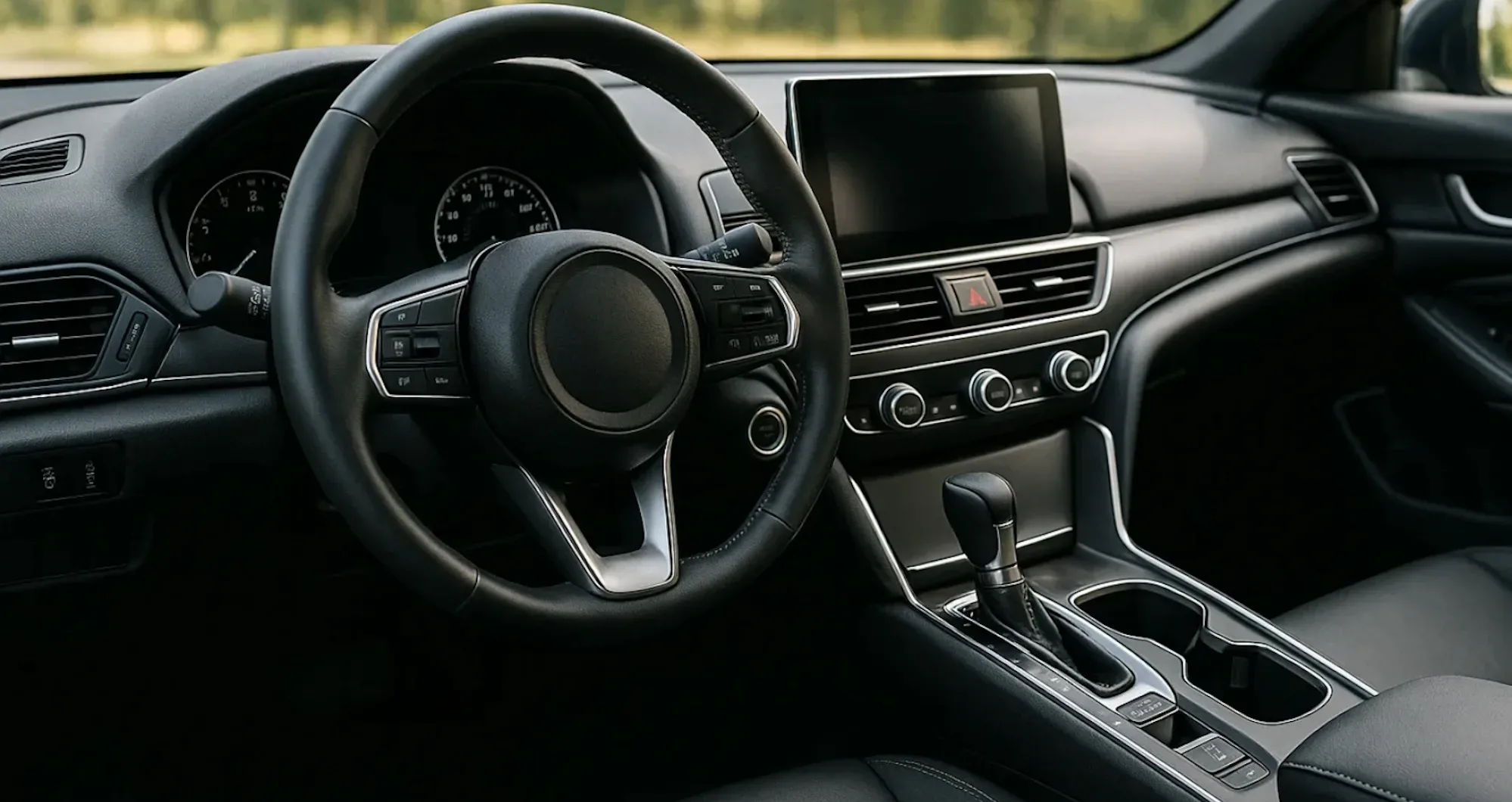

The global automotive interior material market is accelerating rapidly, with its value estimated at USD 64.04 billion in 2025 and expected to reach USD 78.49 billion by 2030. North America currently leads the market, while the Asia Pacific region is poised for remarkable growth in the coming years. Among materials, plastics dominate the market share, and dashboards remain the most significant application. Passenger vehicles continue to be the primary segment driving demand.
This growth surge is fuelled by a consumer shift toward more comfortable, high-quality, and visually appealing vehicle interiors. Automakers are investing heavily in premium materials—such as leather, polymers, fabrics, and composites—that combine luxury, durability, and weight reduction to enhance in-cabin experiences. The global emphasis on lightweight materials aligns with ongoing efforts to improve fuel efficiency and reduce emissions, further stimulating demand for advanced automotive interiors.
Technological innovation is also playing a crucial role in this market’s expansion. New manufacturing processes and material innovations are enabling automakers to adopt eco-friendly alternatives like recycled plastics and organic fabrics, responding to growing environmental concerns and stricter regulations. This transition toward sustainability is becoming a central theme in automotive interior design.
The rise of electric vehicles (EVs) and autonomous driving technology is reshaping automotive interiors. EVs often feature futuristic and minimalistic designs with advanced materials, while autonomous vehicles prioritise comfort and luxury, pushing the demand for premium interior materials even higher.
Artificial Intelligence: A Game Changer in Interior Material Development
AI is revolutionising the automotive interior material market by streamlining design, manufacturing, and customisation. AI-powered algorithms analyse vast data sets to develop innovative materials that improve durability, comfort, and sustainability while reducing weight. These advancements enable the creation of lightweight yet robust materials that help meet stricter industry regulations and consumer demand for eco-friendly vehicles.
Additionally, AI accelerates the design process through advanced simulations and predictive modelling, allowing designers to test materials virtually under various conditions, reducing the need for costly physical prototypes. AI also enables personalised interiors by analysing consumer preferences to offer bespoke options in texture, colour, and finish—especially appealing in premium and luxury vehicle segments.
Manufacturing processes benefit from AI-driven automation, which enhances precision, minimises waste, and boosts efficiency. A notable example is the AI platform launched by SimScale in April 2024, which offers cost-effective automotive design solutions.
Luxurious Interiors and Advanced Technologies Drive Demand
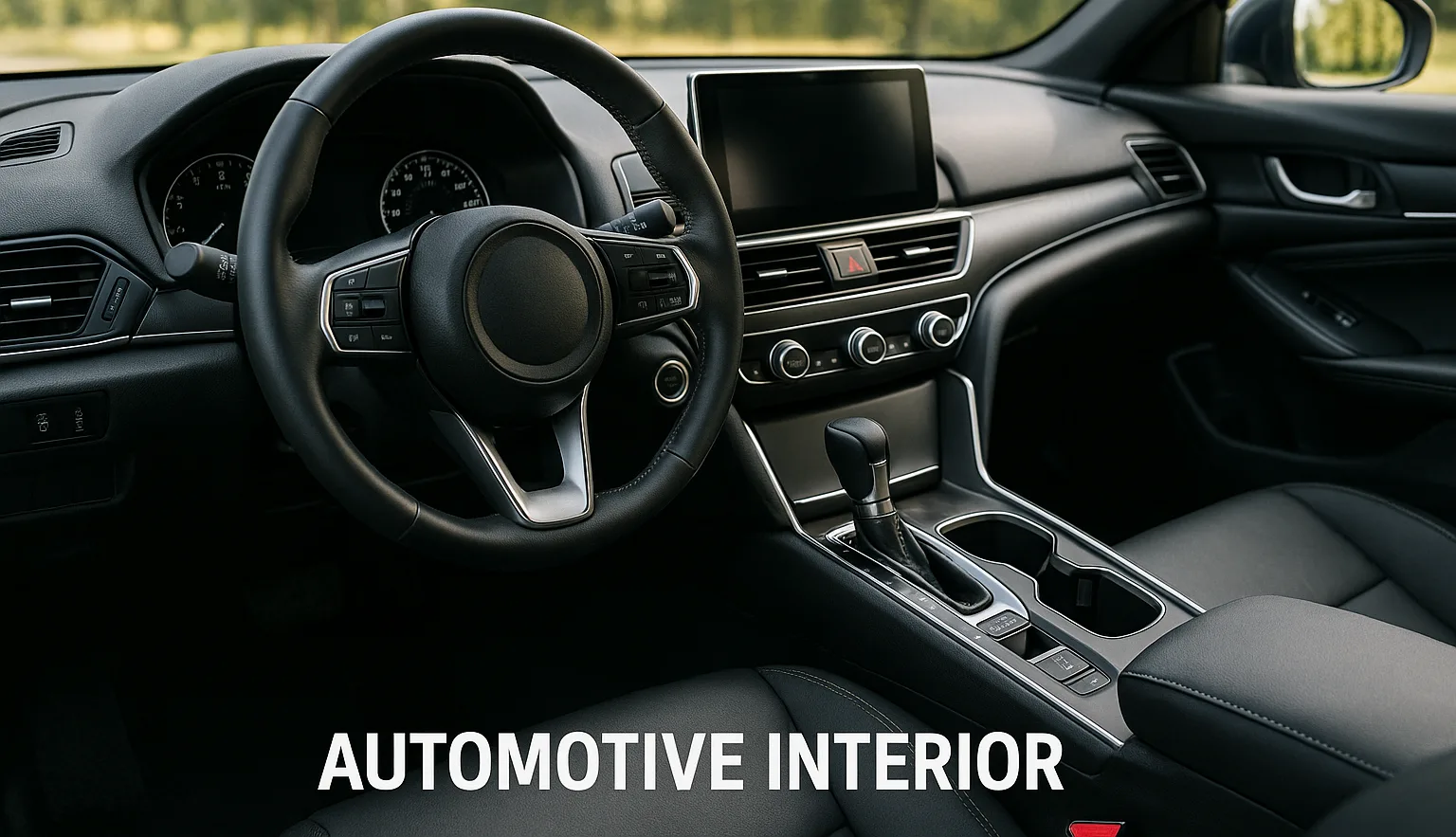
The growing preference for luxurious car interiors is a major driver of market growth. Consumers increasingly expect comfort, aesthetics, and premium features, encouraging automakers to upgrade interiors with high-end materials such as leather, suede, and advanced composites. These materials are extensively used in seats, dashboards, and door panels to elevate quality and visual appeal.
The integration of smart technologies—like infotainment systems, ambient lighting, and intelligent controls—further propels demand for materials that complement these innovations. Electric and autonomous vehicles amplify this trend by emphasising futuristic, luxurious cabin experiences.
Highlighting this momentum, Grupo Antolin introduced persiSKIN AUTO in September 2024, a unique material crafted specifically for luxury car interiors.
Challenges in Material Costs and Supply Chain
Despite promising growth, the market faces challenges including the high cost of premium materials and fluctuations in raw material prices. Government regulations limiting certain substances add complexity to material selection. Supply chain disruptions and the continuous need for innovation to meet sustainability goals also present hurdles for manufacturers.
Carbon Fibre Composites: The Future of Automotive Interiors
Carbon fibre composites are emerging as a game-changing material due to their combination of strength, lightweight properties, and striking aesthetics. They contribute significantly to fuel efficiency and emission reduction efforts by replacing heavier traditional materials. Their sleek, modern look makes them especially attractive for luxury and high-performance vehicles.
Sustainability is another benefit, as carbon fibre composites can be produced using eco-friendly methods. Mitsubishi Chemical Group’s acquisition of CPC in October 2023 underscores the rising importance of carbon fibre composites in automotive manufacturing.
Market Segments: Plastics Lead the Way
The plastics segment currently holds the largest market share thanks to its versatility, durability, and cost-effectiveness. Plastics are widely used in dashboards, door panels, seat covers, and trims, contributing to lighter vehicles and better fuel efficiency. Recent advances in plastic technologies—such as soft-touch finishes and customisable colours—enhance both aesthetics and functionality. The shift towards recycled and bio-based plastics aligns with sustainability trends, further boosting the segment.
In March 2023, BASF SE partnered with Toyota to launch Ultramid, a new material aimed at enhancing automotive interiors.
Dashboard Materials: Centre Stage in Innovation
Dashboards are pivotal in driving market growth as they combine functionality with style. Modern dashboards integrate advanced infotainment and driver assistance technologies, requiring innovative materials that are both visually appealing and durable. The rise of EVs and autonomous vehicles is pushing designers to explore sustainable and adaptable dashboard materials to meet evolving consumer expectations.
Summary:
The automotive interior material market is on an impressive growth trajectory, driven by consumer demand for luxury, sustainability, and cutting-edge technology. Advances in AI, innovative materials like carbon fibre composites, and the rising prominence of EVs and autonomous vehicles are shaping the future of vehicle interiors—making comfort, style, and sustainability key pillars of automotive design.
Source : https://www.towardsautomotive.com/insights/automotive-interior-material-market-size







