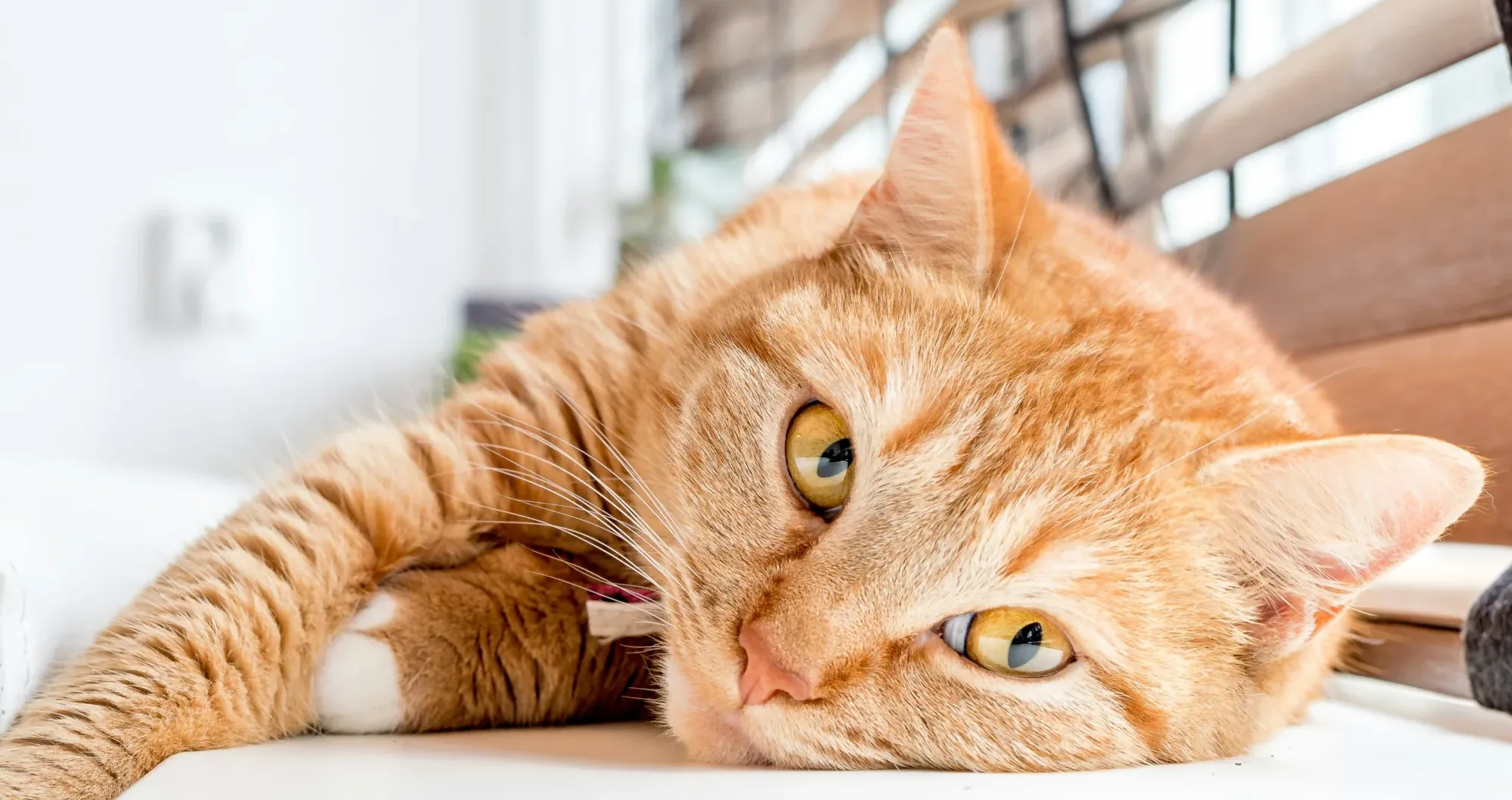

With another UK heatwave expected in the coming weeks, cat owners should be aware of the potential risks high temperatures pose to their pets. Cats, especially house cats with limited access to cooler outdoor areas are vulnerable to overheating and dehydration during extreme temperature increases. To help pet owners prepare, Webbox have collated their top five tips for keeping cats safe, cool, and comfortable during hot summer days.
While cats enjoy lounging in warm, sunny spots, cooler, more sheltered areas are important for warmer climates. During prolonged heatwaves, however, these cool zones can be harder to access, particularly for indoor cats confined to small or poorly ventilated spaces. Here’s how you can take action to protect your cat from heat stress this summer.
Hydration
When temperatures rise, hydration becomes essential. Cats naturally have a lower thirst drive than dogs and often depend on their food for moisture. This increases their risk of dehydration, which in turn can lead to urinary tract infections. To keep your cat hydrated, provide multiple bowls of fresh, clean water throughout your home. Avoid placing water bowls too close to food, and replace the water frequently and if it’s been sitting overnight. Feeding wet food instead of dry kibble can also help increase fluid intake.
Indoor cats are often more inclined to drink from moving water. Pet drinking fountains are ideal, as they offer a continuous stream of filtered water that stays cool and fresh. Opting for stainless steel designs can also reduce skin irritation and are generally more hygienic than plastic alternatives.
Sleep
Overnight temperatures can also affect your cat’s comfort and health. Enclosed beds made from thick or fluffy materials may trap too much heat. You can help cool things down by wrapping a frozen water bottle or ice pack in a towel and placing it inside their bed. If possible, move your cat’s bed to a cooler area such as a tiled floor. For cats who sleep in enclosed rooms, ensure good ventilation by keeping a window open with a secure screen, or use a fan or air conditioning to improve airflow.
Outdoor cats
Cats that spend time outdoors should always have access to shaded areas, under trees, patio furniture, or garden umbrellas to rest during the hotter points of the day. Ensure their water bowl or fountain is also kept in the shade to avoid it heating up. You can drop ice cubes into the water to help maintain a cooler temperature. Additionally, always check sheds, greenhouses, and cars before closing doors, cats can slip inside unnoticed, and these unventilated spaces can reach dangerous temperatures quickly.
Indoor cats
Indoor cats may be even more at risk during heatwaves, particularly in high-rise buildings where opening windows might not be possible. Use air conditioning or fans to keep the air moving, and consider blackout blinds to block direct sunlight during the hottest parts of the day.
Grooming plays an important role in temperature regulation, particularly for long-haired breeds, flat-faced cats like Persians and Himalayans, and senior or overweight cats. Matted fur can trap heat, so regular grooming is essential. The RSPCA recommends daily brushing for long-haired cats and weekly grooming for short-haired breeds. Trimming fur on the belly area can also help lower your cat’s core temperature.
Cold treats
Frozen cat treats are a simple and effective way to help keep your pet cool. You can make your own by freezing their favourite creamy snacks into ‘cat pops’. These are especially useful for house cats, providing both relief from the heat and a longer-lasting treat.
Comment:
“Heatwaves can present serious risks to cats if not managed properly. Whether your cat is an indoor-only pet or enjoys exploring outdoors, it’s important to take practical steps to prevent overheating. Simple actions like ensuring constant access to clean water, creating shaded rest areas, and keeping your home well-ventilated can make a significant difference. Grooming regularly especially for long-haired or older cats also helps them regulate their body temperature more effectively. As temperatures rise, even small environmental changes can go a long way in protecting your cat’s health and comfort.”
“Cats may seem independent, but they rely on us to create a safe and suitable environment, particularly house cats who have limited ability to escape the heat. Summer can still be an enjoyable season for you and your feline friend, but it’s vital to stay informed and proactive. By recognising the signs of heat stress early and making thoughtful adjustments to your cat’s routine, you can help them stay cool, content, and safe during hot weather.”
Samantha Kelly, Webbox