
Wildlife travel has a way of changing how people experience a place. The landscapes are often remote, the roads unpredictable, and the schedule shaped by animals rather than sightseeing timetables. For travellers who enjoy observing nature in its own environment, these journeys tend to leave stronger memories than a typical city break.
Across deserts, jungles, islands, and polar coastlines, certain regions stand out for the way wildlife still moves freely across vast landscapes. Namibia’s open desert, South Africa’s national parks, the isolated Galápagos Islands, India’s tiger reserves, and the icy Arctic Circle all offer opportunities to see animals behaving naturally. Each destination requires patience, curiosity, and a willingness to spend long hours outdoors, but the encounters often make the effort worthwhile.
Desert Safaris and Starry Skies in Namibia
Namibia’s desert landscapes make wildlife viewing feel very different from the savannah safaris most travellers imagine. The country is dry, open, and quiet, and animals move through vast spaces where the horizon seems endless. Many travellers begin in Windhoek, walking around Independence Avenue and the nearby Post Street Mall before picking up supplies at the craft market on Sam Nujoma Drive.
Most desert safaris head south-west toward Sossusvlei and the Namib-Naukluft National Park. The gravel road through Solitaire is often the first stop, with its old petrol pumps and roadside bakery marking the last outpost before the dunes. Early morning drives through the park sometimes reveal oryx crossing the sand or ostriches moving along the edges of the dry Tsauchab River.
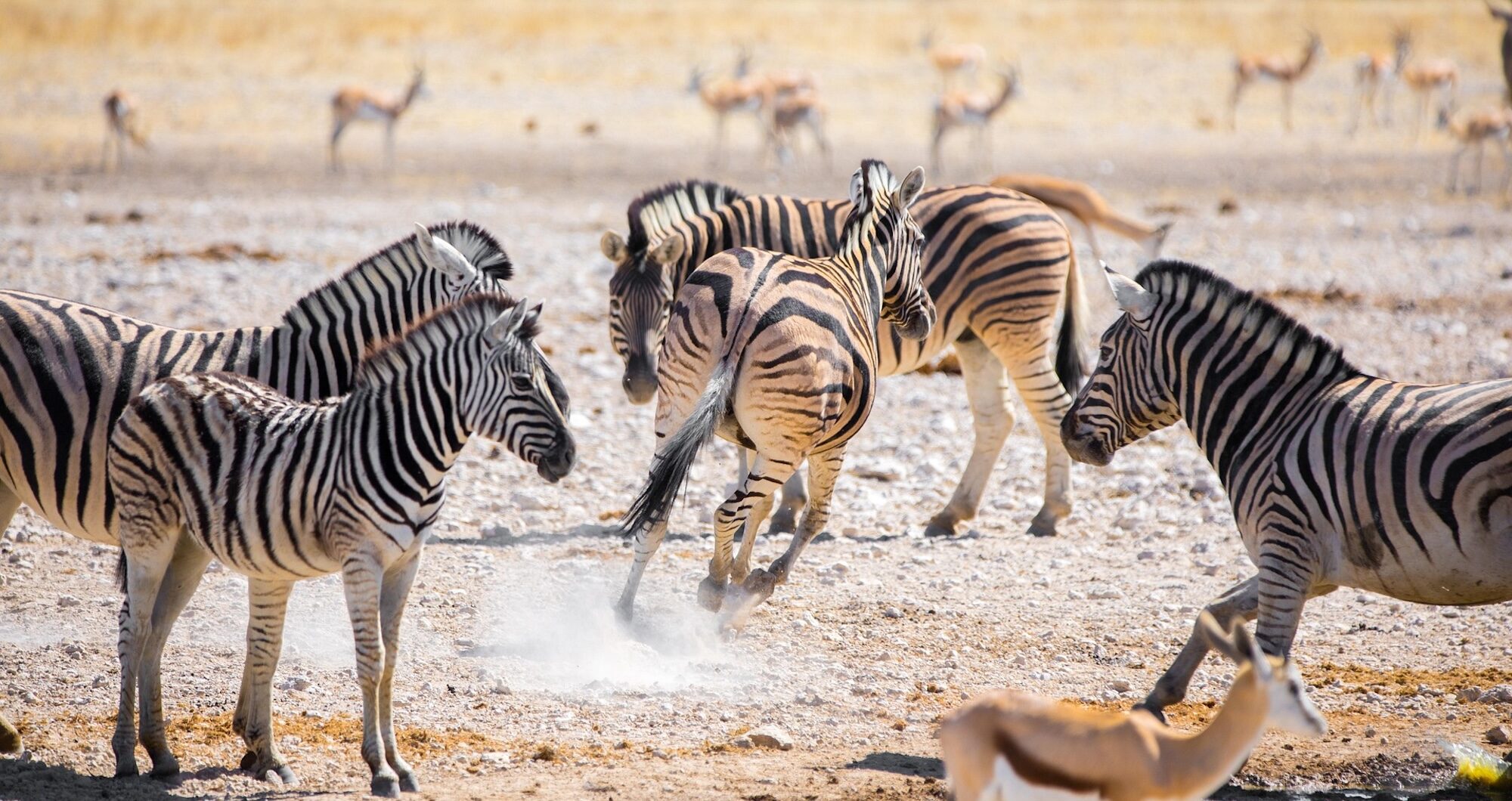
Travellers who want to go on holidays to Namibia often choose guided safaris that combine the Namib Desert with wildlife areas such as Etosha National Park. Many itineraries start in Windhoek and then continue north through towns like Okahandja and Otjiwarongo before reaching the Andersson Gate entrance to Etosha. Once inside the park, the waterholes near Okaukuejo and Halali attract elephants, springbok, and black rhinos after sunset. The experience feels less like a typical safari and more like observing a desert ecosystem slowly reveal itself.
Searching for the Big Five in South Africa
South Africa’s wildlife reserves are among the most accessible places in the world to see large mammals in their natural environment. Many travellers begin in Johannesburg, often staying in the neighbourhoods around Rosebank or Sandton before continuing east toward the Lowveld region. The drive along the N12 and later the R40 gradually shifts from urban highways to bushveld landscapes.
Kruger National Park is the centrepiece for wildlife viewing. Entering through the Paul Kruger Gate places visitors near Skukuza Camp, where the Sabie River often attracts wildlife in the morning. Lions sometimes rest in the shade near the road between Skukuza and Lower Sabie, while elephants are frequently spotted along the H4-1 route.
Travellers staying outside the park often base themselves in towns such as Hazyview or Hoedspruit. Small markets along Rissik Street in Hoedspruit sell handmade crafts and dried fruit, a common stop before early morning drives. From there, safari vehicles head into nearby reserves where guides track footprints and bird calls to locate animals. Sightings rarely happen instantly; hours of quiet observation are part of the experience.
Rare Encounters in the Galápagos Islands
The Galápagos Islands sit nearly 1,000 kilometres off Ecuador’s coast, and their isolation is exactly what makes the wildlife so unusual. Most journeys begin in Puerto Ayora on Santa Cruz Island. The town spreads out from Avenida Charles Darwin, where fishermen unload their catch each afternoon near the main pier.
A short walk inland leads to the Charles Darwin Research Station, where conservation teams raise giant tortoises before releasing them into protected areas. From Puerto Ayora, small boats head to nearby islands such as North Seymour or Bartolomé. On these rocky landscapes, blue-footed boobies nest close to the walking trails while marine iguanas stretch out along the black lava.
Travellers often move between islands by boat, usually following routes that link Santa Cruz, Isabela, and San Cristóbal. On Isabela Island, the road leading west from Puerto Villamil passes quiet wetlands where flamingos gather in shallow lagoons. The nearby Sierra Negra volcano trail offers a long hike across volcanic terrain where hawks circle overhead, and wild tortoises occasionally wander across the path.
Tracking Tigers in the Jungles of India
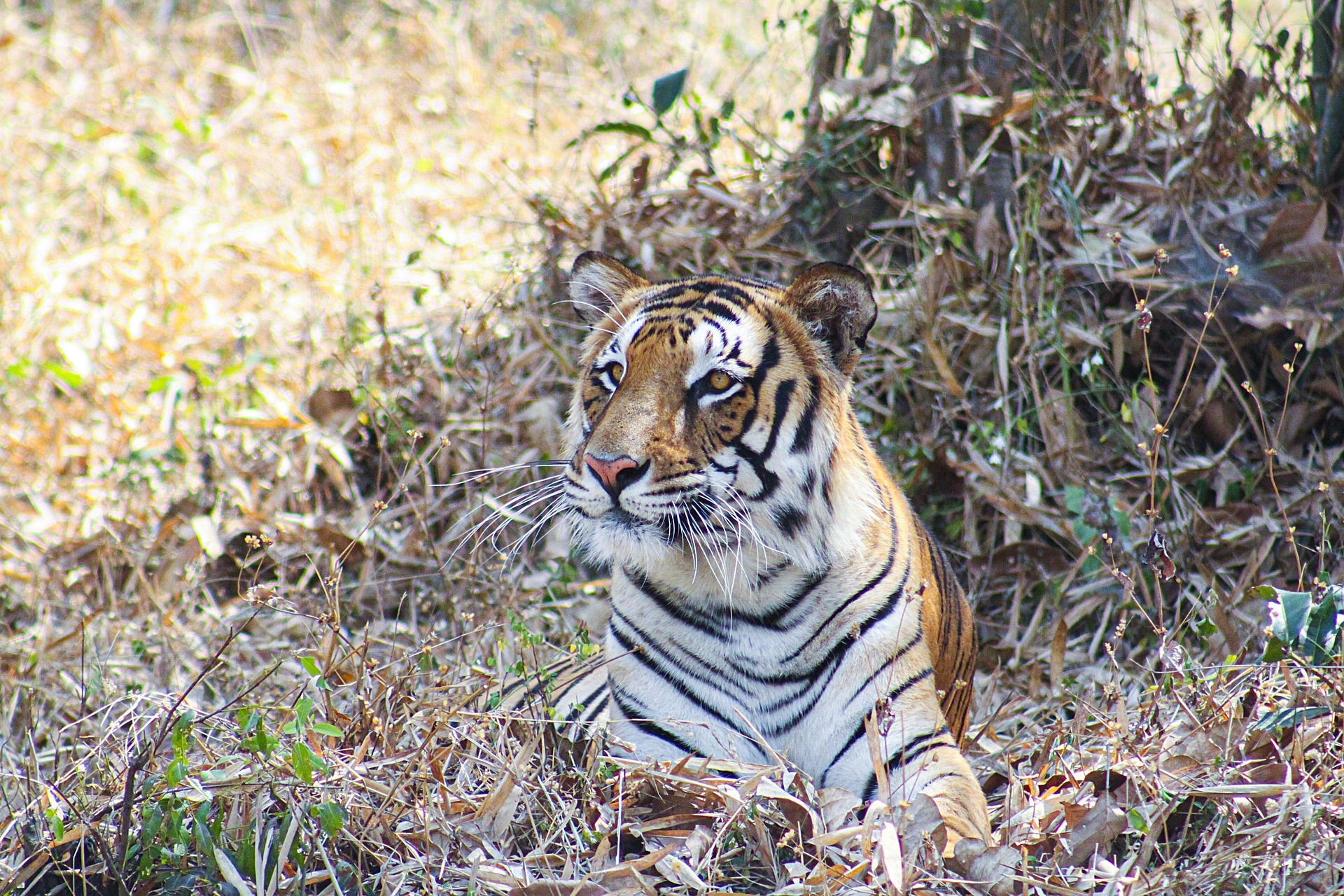
Image by pforpuja from Pixabay
India’s tiger reserves operate differently from African safaris. Vehicles follow specific routes inside protected zones, and sightings often depend on listening to alarm calls from deer or monkeys. Many visitors begin their journey in Delhi before taking a train from Hazrat Nizamuddin station to Sawai Madhopur, the gateway to Ranthambore National Park.
Sawai Madhopur itself is a busy railway town, with small markets along Ranthambore Road selling spices, textiles, and brass items. From here, safari jeeps enter the park through gates such as Zone 3 or Zone 5, where the old Ranthambore Fort rises above the forest. Langur monkeys often sit along the stone walls near the entrance road.
Inside the park, the landscape shifts between dry forest, rocky hills, and lakes such as Padam Talao. Tigers sometimes appear along the edges of the water, especially early in the morning. Guides tend to pause the vehicle and listen carefully before moving again. The process can feel slow, but when a tiger finally crosses the track, the entire forest seems to fall silent.
Polar Bear Expeditions in the Arctic Circle
Wildlife expeditions in the Arctic demand far more preparation than most safari trips. The landscape is remote and the weather unpredictable, so journeys usually start in specialised gateway towns. In northern Norway, Tromsø serves as one of the main departure points. The harbour area along Storgata is where many expedition vessels prepare before sailing north toward Svalbard.
Svalbard’s main settlement, Longyearbyen, sits between steep mountains and icy fjords. A walk along the waterfront road reveals rows of wooden buildings and research stations where scientists monitor Arctic wildlife. From here, small expedition ships travel along the coastlines of Spitsbergen Island.
Polar bears are often spotted along drifting sea ice where seals surface to breathe. Guides scan the horizon constantly, sometimes for hours. When a bear finally appears, it may only remain visible for a few minutes before disappearing behind the ice ridges. The Arctic environment feels vast and quiet, and wildlife sightings tend to happen unexpectedly, not on schedule.
Which wild frontier will you explore next?
Wildlife expeditions tend to change how people travel. Watching animals move through their natural habitats, whether at desert waterholes, in dense forests, or along remote coastlines, slows the pace and shifts the focus away from typical sightseeing. Encounters rarely happen on cue, and that unpredictability is part of the experience.
For travellers drawn to nature, these journeys offer a closer look at ecosystems that still function much as they have for centuries. The rewards often come from patience: quiet observation, early mornings, and time spent simply watching how wildlife moves through the landscape.
Feature Image by TeeFarm from Pixabay