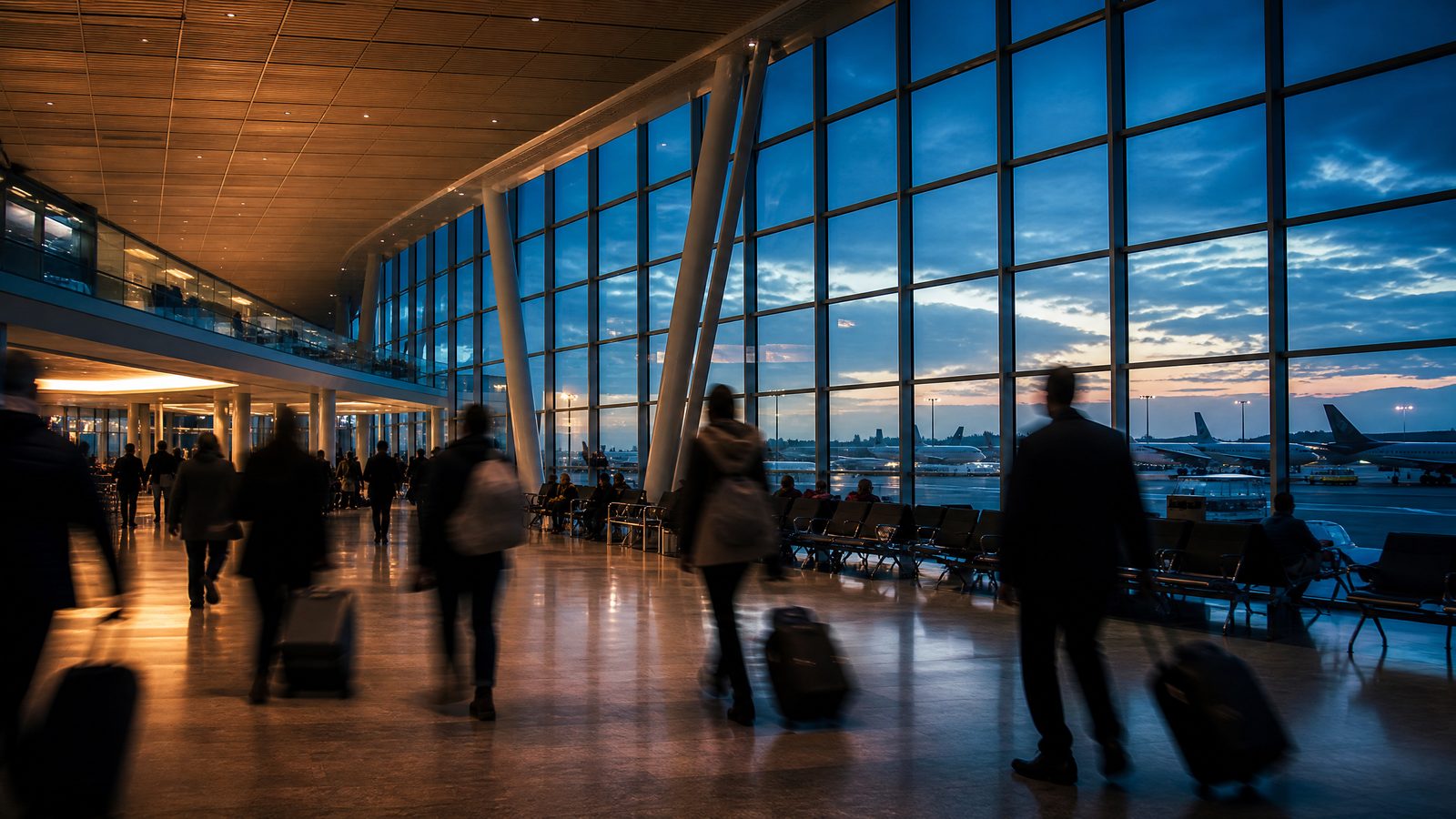

The Foreign, Commonwealth & Development Office has updated its travel advice for 13 countries across the Middle East, urging British nationals to prepare for potential disruptions. The revised guidance, issued on 22 July 2026, follows a period of heightened regional tensions and military exchanges, including strikes and retaliatory attacks by Iran since 8 July.
The updated advisories cover a wide geographical area, encompassing major transit hubs and popular destinations. The affected countries include Qatar, Saudi Arabia, Bahrain, Cyprus, Iraq, Israel, Jordan, Kuwait, Oman, Syria, Turkey, Yemen, and Palestine. The Foreign, Commonwealth & Development Office warns that the volatile security landscape could lead to sudden operational disruptions across commercial aviation, including localised airspace closures and unexpected flight cancellations.
Impact on Commercial Aviation and Transit Hubs
The security situation has created unpredictable operating conditions for civil transport across the region. Travellers are advised that defence activities and missile interception measures can create airborne hazards, prompting regional civil aviation authorities to close specific airspace corridors without prior public notification. This could result in ground stops, flight rerouting, and potential terminal access restrictions at major regional hubs.
For those travelling through key transit points such as Hamad International Airport in Qatar or King Khalid International Airport in Saudi Arabia, operations continue, but passengers must be prepared for short-notice departure or routing changes. The official guidance for Qatar highlights the risk of falling debris caused by intercepts, advising individuals to stay indoors or find the nearest safe building if instructed to take shelter.
Similarly, the travel advice for Saudi Arabia notes that the situation remains unpredictable, with a risk of more attacks and unforeseen escalation. Travellers are urged to monitor local and international media for the latest information, including updates relating to airports and airspace which could close at short notice.
Preparedness and Safety Measures for Travellers
In light of these developments, the Foreign, Commonwealth & Development Office recommends that British nationals currently in the Middle East take immediate, structured precautions to ensure their personal safety. A key step is registering presence through official government notification portals to receive direct consular updates and crisis notifications.
Travellers are also advised to maintain essential documentation, including passports, visas, and medical records, in a readily accessible manner. It is crucial to rely exclusively on official state announcements, civil aviation updates, and reputable international news outlets rather than unverified social media reports. Establishing clear contact protocols with family members and employers, and regularly reviewing departure options, are also recommended.
For those planning trips to the region, it is essential to review travel insurance policies carefully. Standard policies may restrict coverage if a policyholder travels into a designated high-risk zone against official government advice. Travellers should ensure their insurance includes provisions for forced extension of stay resulting from regional transport shutdowns.
The broader implications of these regional tensions extend beyond immediate travel disruptions. As noted in recent analysis, worldwide travel caution over Middle East tensions highlights the need for travellers to remain vigilant and adaptable. Furthermore, specific warnings, such as the Bahrain travel warning, underscore the importance of checking destination-specific advice before departure.
Ultimately, the situation requires a high state of vigilance from all travellers in the affected regions. By staying informed through official channels, preparing for potential disruptions, and following the guidance of local authorities, individuals can better navigate the current uncertainties in the Middle East.