
Natural gas is an important source of energy. Its uses spread across daily activities in our homes, for cooking, heating, and powering. It also extends to commercial use in industries.
Restaurants use gas stoves, laundromats use industrial dryers, and so on. An extensive gas distribution network makes it available to every home. This source of energy helps to reduce household costs. However, it also comes with its risks.
For example, pipes can burst. Random leaks can occur when you least expect them. Years of usage can make natural gas appliances and accessories wear out, exposing you to health hazards and your home to environmental hazards.
This article explores how to ensure the safe use of gas appliances and how to identify early warning signs of gas leaks in your home. We also discuss gas appliance safety, red flags, what they might mean, and when to call a licensed plumber for gas leak repairs.
Main Warning Signs of a Gas Leak
Dying Plants
Plants are living things, and they can serve as a warning system if paid attention to. If your indoor plants suddenly start wilting without any major damage, then you should suspect a gas leak and be prepared for a gas leak repair by a professional fitter.
This happens when the natural gas that escapes during the leak displaces the oxygen in the environment, making it difficult for plants to take in oxygen. Eventually, the plant dies off. Simply put, suffocation.
With outdoor plants, dead leaves or leaves with discoloured patches are signs that you have a possible gas leak from the underground gas distribution network into the soil.
Unusual Smells
While natural gas does not have a specific odour, weird smells still remain the most obvious sign of a gas leak. This is possible because energy providers add a chemical compound called mercaptan to it, which gives it a distinctive smell.
If you smell anything funny or funky, or you take a nap and wake up with shortness of breath because of weird smells, check your gas fittings first.
The smell can be very faint sometimes and easy to dismiss, but never take a risk with gas. Especially if you run on it, from your hot water system to your appliances. Call a licensed professional immediately.
Soft Hissing Sounds
If you keep hearing a hissing sound in your otherwise quiet home, then it’s high time you checked your gas appliance. This hissing happens when gas escapes under pressure.
This sound happens around the joints in the plumbing or pipes near the gas meter. Sometimes, the sound may even be directly from the appliance. Take these sounds seriously, because they are strong indicators that there’s a gas leak somewhere.
If you are unable to locate the source, contact licensed gas professionals for a gas leak repair. They have the right resources and tools to locate the leak source and fix it. They can carry out pressure fitting tests to detect major gas leaks and carry out safe repairs.
Sudden Health Issues
When gas is seeping through cracks and leaks in your gas plumbing and mixes with the air in your space, you can fall ill just from breathing it in.
If you’re always feeling dizzy, or feel like you want to throw up, or are always dealing with shortness of breath, that’s a warning sign that your environment is affecting you. Pay attention to how you feel if you spend significant time away from home, like a full day at work.
If you feel better outside than inside, then you have a gas leak, which, if prolonged exposure can lead to much worse health problems.
Faulty Appliance
Appliance malfunctions can also indicate the presence of a gas leak. That is why once a technical appliance starts to malfunction, leave it immediately and call in a licensed gas professional.
For example;
- Your gas hot water system, struggling to heat efficiently, might be due to a leak somewhere. Producing lukewarm water or eventually shutting down might be a sign of a leak.
- If your gas heater or gas stove starts producing a yellowish or orange flame. Instead of the normal blue flame, that is a sign of incomplete combustion. A leak, poor maintenance, or restricted gas flow could be the cause.
Ignoring these warning signs can expose you and your loved ones to toxic fumes. Your property is at risk of fire and explosions. Prompt action is safer.
Preventing Gas Leaks
- Schedule routine servicing and pressure testing. They are key to gas appliance safety and are procedures that can help you prevent a major gas leak.
- Only a licensed gasfitter should have clearance to service your gas hot water systems and other systems.
- Ensure your systems and appliances run smoothly before using them. A faulty gas heater could cause a gas leak.
- Never ignore your feelings. Trust your instincts. Don’t think you assumed a smell. Probe it and find the source.
- If you are able to locate the source of a gas leak, turn off the main valve at the gas meter and call in for a gas leak repair.
- If you suspect a gas leak, do not remain within the premises. It is dangerous. Open the doors and windows. Try to increase ventilation as well, then call for help.
- Always endeavour to switch off your gas appliances after use.
- Never attempt to carry out a gas leak repair on your own. Always wait for a licensed professional.
- Ensure your gas fixtures are done by a licensed gasfitter.
- If your gas systems are recently installed. Consult a licensed gasfitter. They understand the risks and can help you ensure compliance with safety standards.
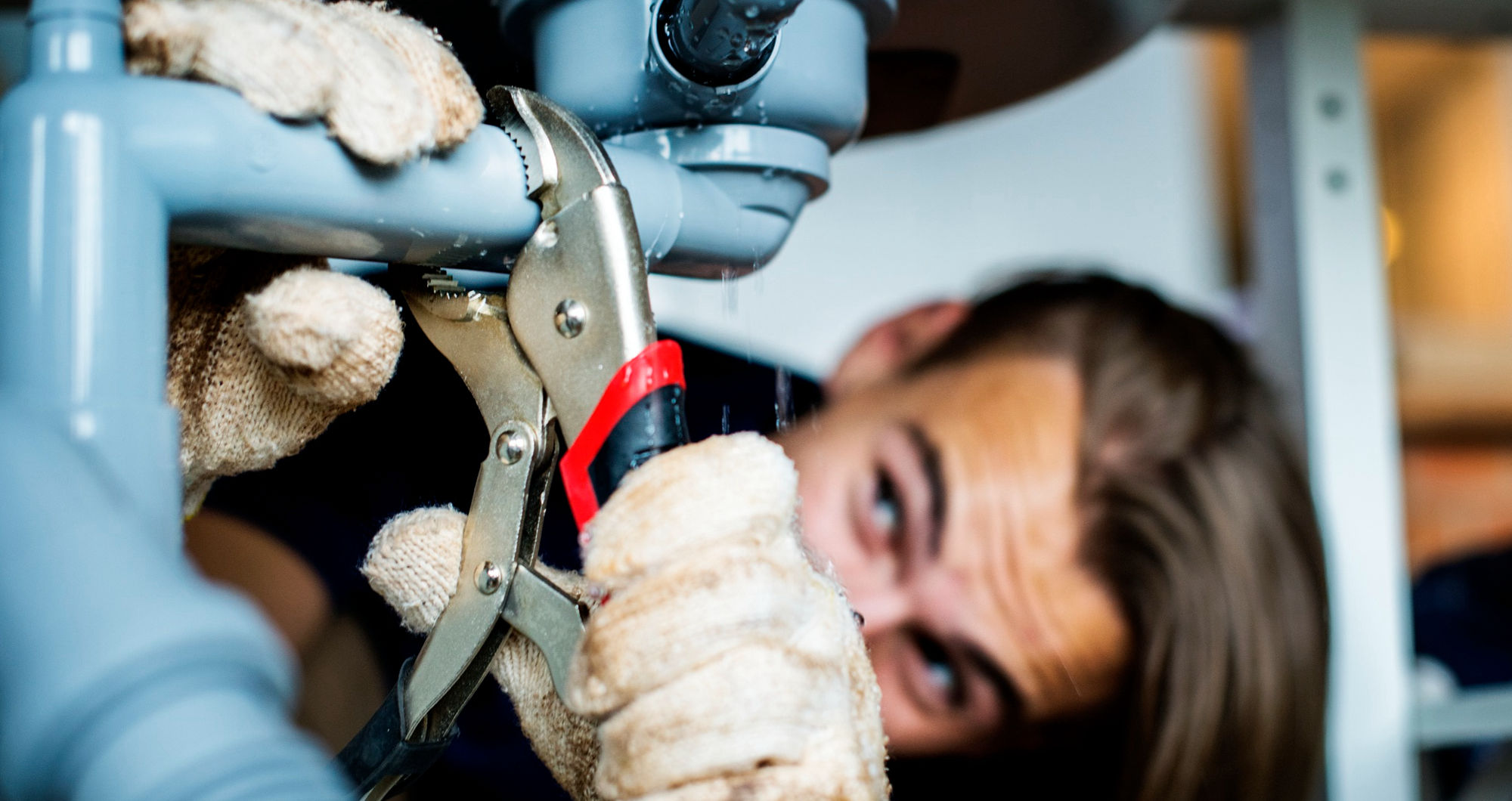
Unlike some other defects, gas leak repairs are not a Do-It-Yourself task. Only trained personnel should attempt to fix gas leaks. Servicing and repair of gas systems should only be done by qualified professionals.
If you have a hard time finding licensed gas professionals, contact Plumber Sydney. They have a team of experts who can help with gas leak repairs. The earlier you call for help, the less risk of potential danger you and your home will be in.
Conclusion
Gas leaks don’t start with a loud explosion. It starts small, from the silence of corners before causing a massive explosion.
Always pay attention to your appliances, watch out for unfamiliar sounds and smells, and if you have plants, pay close attention to them because they warn you of many things, not just a gas leak.
Never hesitate to call in your suspicions because, as far as gas leaks are concerned, it is always better to err on the side of caution. Take care of your appliances, and you’ll be taking care of your health and finances.