
East Africa is home to some of the world’s most remarkable wildlife experiences, offering adventures that range from the wide-open savannahs of Kenya and Tanzania to the misty, mountainous forests of Uganda and Rwanda. Two experiences often top the travel bucket list: classic African safaris and up-close encounters with mountain gorillas. Each provides unforgettable wildlife encounters but caters to very different interests, fitness levels, and travel styles. Understanding the differences can help you choose the journey that matches your wildlife dreams.
For UK travellers planning a long-haul wildlife holiday, both experiences are easily accessible via major airports such as London Heathrow and Manchester, with popular routes connecting through hubs like Nairobi, Kigali, or Entebbe. Whether you’re travelling from England, Scotland, Wales, or Northern Ireland, choosing between a safari and gorilla trekking often comes down to how adventurous you want your East Africa trip to feel.
The Wildlife Encounter: Herds on the Plains vs. Gorilla Families in the Forest
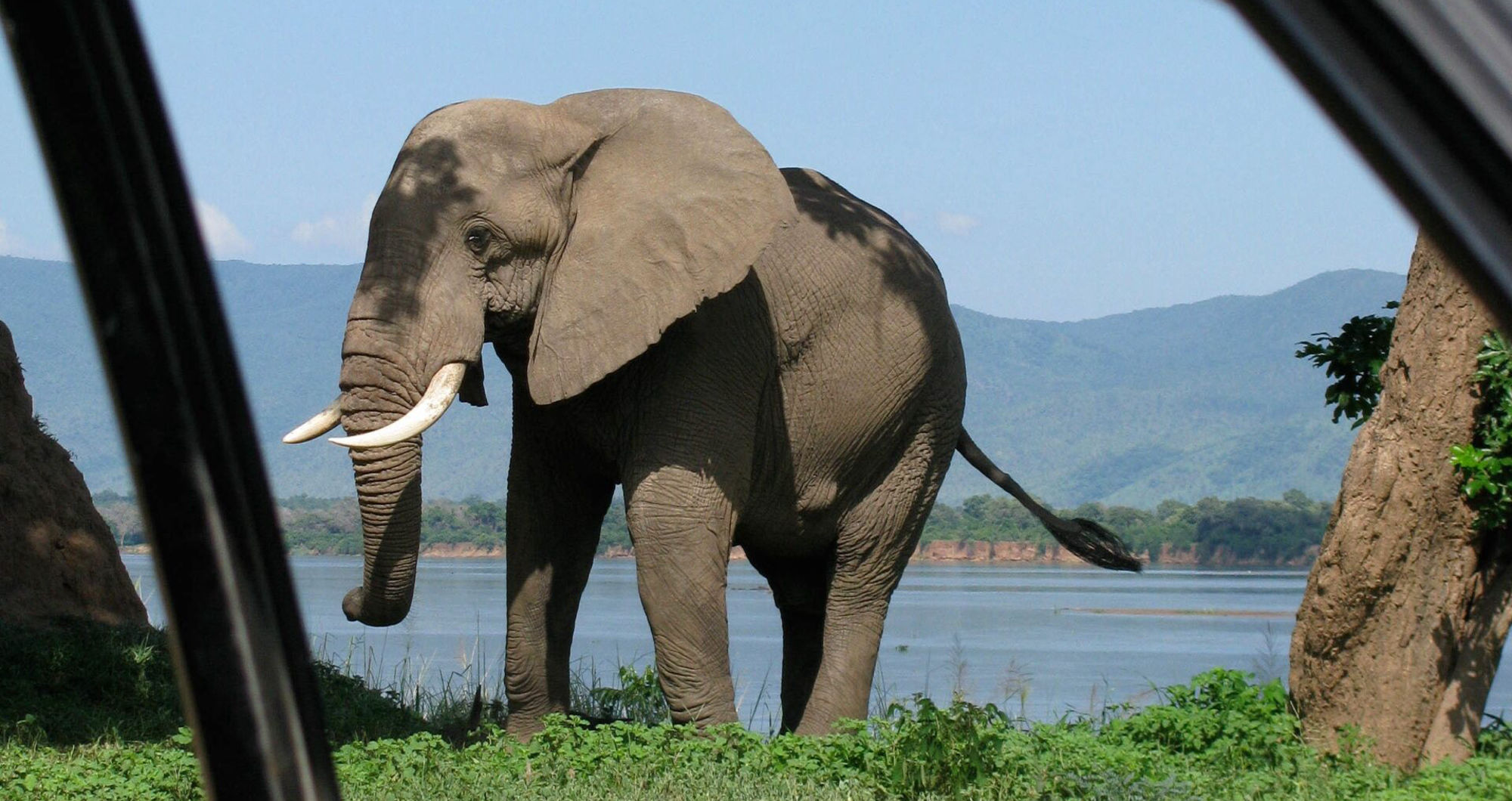
A traditional East African safari immerses you in the drama of the savannah. On a Kenya safari tour through the Masai Mara or a Tanzania wildlife tour in the Serengeti, you’ll witness lions stalking prey, elephants moving in family groups, and wildebeest thundering across the plains during the Great Migration. The sheer variety of animals is staggering — from cheetahs and zebras to hippos, giraffes, and hundreds of bird species in a single day.
Gorilla trekking offers a completely different kind of wildlife experience. On Uganda Safaris in Bwindi Impenetrable Forest or Rwanda Gorilla Trekking in Volcanoes National Park, you spend a regulated hour observing a habituated gorilla family. Watching a silverback interact with playful juveniles or a mother care for her infant creates an emotional bond that few other wildlife encounters can match.
Physical Demands: Game Drives vs. Mountain Hikes
Safaris are highly accessible. Most of the time, you are comfortably seated in 4×4 vehicles guided by experts who position you for the best wildlife sightings. Morning and late-afternoon game drives require minimal physical effort, making safaris suitable for travelers of almost any age or fitness level.
Gorilla trekking, however, is physically demanding. Treks can last from one to eight hours through steep, muddy, dense forests at altitudes reaching 8,000 feet. Hikes are challenging but manageable for anyone in reasonable health. Porters are available to carry gear and provide assistance, but trekkers should be prepared for a serious mountain hike rather than a gentle stroll.
Planning and Permits: Flexibility vs. Exclusivity
Safari itineraries are flexible and often available at short notice. Options range from budget camping safaris to luxury lodges, offering control over both comfort and cost.
Gorilla trekking requires advance planning. Permits are limited to protect critically endangered gorillas — Uganda issues roughly 80 permits per day, while Rwanda limits visitors similarly. Prices are higher to reflect exclusivity, with permits costing about $800 in Uganda and $1,500 in Rwanda. While this requires planning ahead, it ensures a private and carefully managed wildlife experience.
Landscapes: Open Plains vs. Misty Forests
Safaris unfold beneath vast African skies where horizons stretch endlessly. Sunrises paint the plains in gold, and sunsets explode in dramatic colours, while shifting landscapes—from acacia-dotted grasslands to volcanic highlands—create endless variety.
Gorilla trekking immerses travellers in montane forests, where moss-covered trees, twisted vines, and thick mist create a primaeval atmosphere. The forest feels intimate, mysterious, and magical — a fitting home for these magnificent primates.
Duration, Combination, and Costs
A satisfying safari typically lasts four to seven days, allowing time to visit multiple parks and maximise wildlife sightings. Popular itineraries might combine the Serengeti for the Great Migration, Ngorongoro Crater for concentrated wildlife, and Tarangire for elephant herds.
Gorilla trekking is often part of a multi-day itinerary rather than a standalone trip. Uganda safaris may include chimpanzee tracking or boat safaris along the Kazinga Channel, while Rwanda packages often combine gorilla trekking with golden monkey tracking, cultural visits, or Lake Kivu relaxation. Costs are higher due to permit pricing and usually range from $1,200–$3,000+ per person for a short trip, making it a premium wildlife experience.
Photography Opportunities
Safaris are a photographer’s dream: open terrain, abundant wildlife, and dramatic lighting create endless opportunities for striking images. Stable vehicles allow for long lenses and sweeping landscape shots.
Gorilla photography presents a unique challenge. Low light in dense forests, proximity to gorillas, and flash restrictions require different techniques. Yet the emotional impact of capturing a silverback’s gaze or a baby gorilla’s curiosity often outweighs technical perfection.
Making Your Choice
Choose a safari if you want to see diverse wildlife, prefer comfort and accessibility, and enjoy the romance of endless African plains. Choose gorilla trekking if you seek a once-in-a-lifetime primate encounter, can handle physical challenges, and plan well in advance. For the ultimate adventure, consider combining both experiences: the vast drama of a safari complemented by the intimate intensity of time with mountain gorillas. East Africa promises memories that will stay with you forever.