
Where the plans stand
Heathrow’s expansion proposals have evolved over two decades. A government white paper in 2003 set the direction for extra capacity in the South East. Political backing shifted in 2010, before the independent Airports Commission recommended a new north‑west runway at Heathrow in 2015. Parliament designated the Airports National Policy Statement (NPS) in 2018, giving high‑level policy support for expansion at Heathrow, subject to strict environmental tests and planning consent.
In 2020, the Supreme Court restored the NPS after a Court of Appeal ruling had paused it, confirming that ministers had lawfully considered climate obligations at the time. The judgment did not grant permission to build; it cleared the way for Heathrow to bring forward a detailed application through the national planning process. For background, see the government’s Airports NPS and the BBC’s coverage of the Supreme Court ruling.
How the planning and regulation would work
To proceed, Heathrow must submit a Development Consent Order (DCO) under the Planning Act 2008. That requires design work, updated environmental assessments, statutory consultations with residents and local authorities, and a full examination by the Planning Inspectorate before a final decision by the Secretary of State. Each stage can face challenge in the courts, which is why timelines are often indicative rather than fixed.
The Civil Aviation Authority (CAA) also plays a central role. As the economic regulator for Heathrow, the CAA sets price controls for airport charges and will decide how any early expansion spending is treated. Airlines and the airport have previously disagreed over how much pre‑construction cost should be passed through to passengers, and on the overall affordability of the scheme. The regulator will scrutinise value for money, demand forecasts and delivery risks before allowing recovery of costs.
Capacity, slots and the aviation case
Heathrow is currently capped at 480,000 annual aircraft movements. A third runway would create headroom for additional slots, enabling more long‑haul connections and greater resilience during peak periods. Proponents say this supports trade, tourism and jobs across the UK, while airlines argue that a reliable increase in slot availability could ease congestion and improve on‑time performance.
Critics counter that aviation expansion must be reconciled with legally binding carbon targets. Any DCO will need a credible path for surface access, air quality, and climate impacts, alongside commitments on construction emissions and operational efficiencies. Expect close examination of Heathrow’s net‑zero plans, airspace modernisation, and how growth aligns with national and sectoral carbon budgets.
The noise row and residents’ concerns
Local communities near the airport have long warned that an extra runway would increase the number of people affected by aircraft noise, with implications for health and quality of life. Night flights and early morning arrivals are particular flashpoints for residents beneath arrival and departure routes in west London, Surrey and beyond.
Heathrow has proposed a package of mitigation, including predictable respite periods, quieter flight procedures, new flight path design through airspace changes, and property compensation and insulation schemes. Campaign groups and several councils say those measures do not offset the scale of the impact, and they highlight uncertainty around how redesigned routes would distribute noise over new neighbourhoods. The balance between connectivity and local amenity will be a defining contest in any examination.
Legal risk: challenges are likely to continue
Even after the Supreme Court’s 2020 decision on the NPS, project‑specific approvals remain vulnerable to judicial review. Claimants could argue that climate science, policy or noise assessments have moved on, or that the consultation was inadequate. Heathrow must therefore show that its evidence base is current, that alternatives have been properly considered, and that it meets the NPS tests on noise, air quality, and carbon.
What to watch next
Key milestones would include fresh public consultation on design and flight paths, the DCO submission, and the CAA’s determinations on how costs are recovered. Residents can expect a detailed statement of community impacts and proposed mitigations. Londoners monitoring day‑to‑day travel disruption or changes to airport access can follow our London travel updates, and for broader city coverage visit our London News section.
Whatever the pace, Heathrow’s expansion will hinge on whether it can demonstrate that more flights can be delivered within environmental limits, while convincing regulators and airlines on costs and benefits. The next chapter will be shaped as much by the detail of the planning record as by the politics of aviation and the voices of the communities under the flight paths.
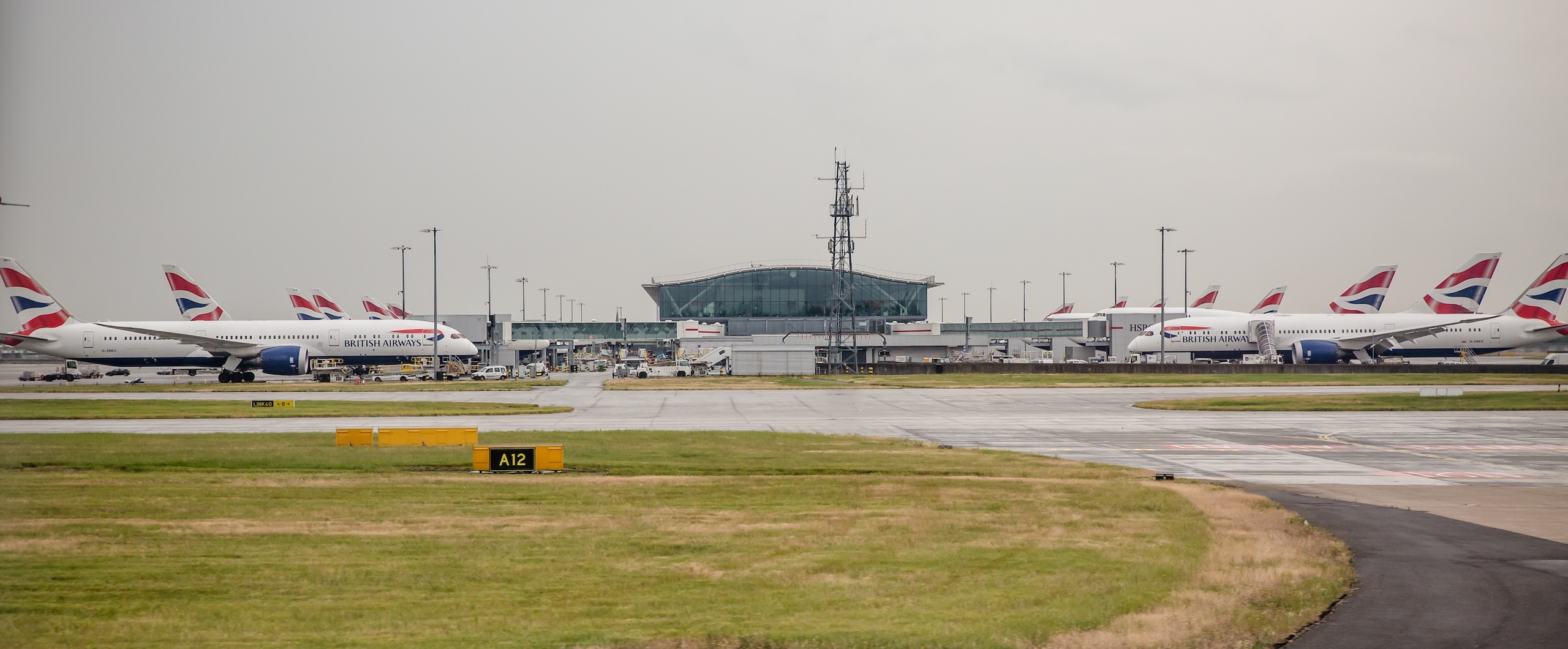
Feature image by Agata Kadar from Adobe Stock