
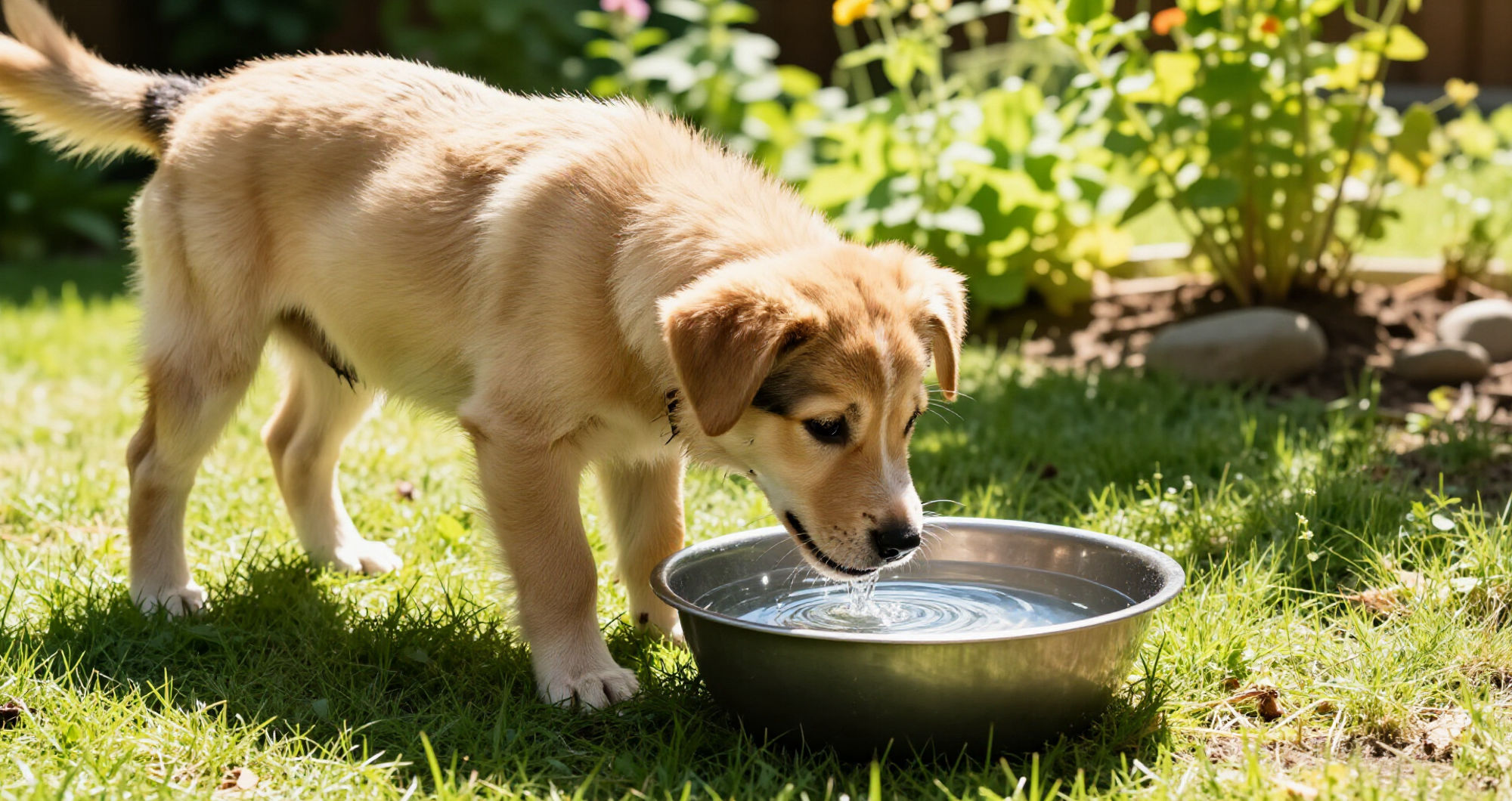

Hot Summer Days Bring Hidden Dangers
Warm weather feels wonderful for us. For our dogs, it brings real risk. Their fur coats trap heat and their paws burn on pavements. Also, their bodies lose moisture rapidly. Dehydration creeps in faster than many owners realise. Prevention is simple. Fresh water, constantly available, saves lives.
Dogs Sweat Differently
Humans sweat all over. Dogs release heat through their paws and by panting. That panting expels moisture rapidly. Every breath removes fluid from their system. On a hot day, that loss is significant. Replenishment must be constant, not occasional.
The Warning Signs to Watch
Lethargy signals the first problem. Dry gums follow shortly after. Sunken eyes indicate serious trouble. Loss of skin elasticity is an emergency. Excessive panting with a dark red tongue demands action. Learn these signs now. Act immediately when they appear. Your dog’s health is important, especially in excessive temperatures in the hot summer.
How Much Water Is Enough
A general rule applies. Fifty millilitres per kilogram of body weight daily. That means a 20kg dog needs one litre. Hot weather increases that requirement significantly. Active dogs need even more. Do not ration water. Offer unlimited access throughout the day.
Freshness Matters as Much as Quantity
Stale water breeds bacteria. Leftover water in a warm bowl becomes unappealing. Change the water at least twice daily. Refill with cool, fresh tap water. Dogs are sensitive to taste. Old water puts them off drinking entirely.
Bowl Placement Makes a Difference
Position bowls in cool, shaded spots. Avoid direct sunlight that warms the water. Avoid busy areas that stress anxious drinkers. Multiple bowls work best for larger homes. One upstairs and one downstairs encourages regular sipping.
The Ice Cube Trick
Add ice cubes to the water bowl. Many dogs enjoy bobbing for them. The chill makes water more enticing. Some owners freeze broth into cubes for extra flavour. That added interest encourages more frequent drinking. Just ensure cubes are small enough to avoid choking.
Portable Hydration for Walks
Always carry water on outings. Collapsible bowls are lightweight and compact. Offer drinks every twenty minutes during exercise. Do not wait for signs of thirst. By then, dehydration is already progressing. Prevention through frequent offers works best.
The Cooling Treat Alternative
Wet food contains high moisture content. Add extra water to dry kibble. Offer frozen yoghurt or dog-safe fruit. These supplementary sources boost overall fluid intake. They also provide variety and enjoyment. Hydration does not have to come only from the bowl.
Depend on Dogs to Be Faithful Companions
We depend on dogs to be faithful companions. Their loyalty deserves our care in return. They cannot fill their own bowls nor tell us when they are thirsty. Thus, they rely entirely on our attention. That responsibility becomes greater during heatwaves.
The Dangers of Dehydration
Kidney damage follows prolonged fluid loss. Organ failure is a real risk. Heatstroke can prove fatal within hours. These are not dramatic warnings. These are veterinary facts. Prevention costs nothing. Treatment costs everything.
What to Do in an Emergency
Offer small sips of cool, not cold, water. Cold water causes stomach cramps. Move your dog to a shaded, ventilated area. Wet their paws and belly with tepid water. Call your vet immediately. They will advise the next steps. Time is critical in severe cases.
Travel Hydration Essentials
Car journeys demand extra preparation. Bring a full bottle of fresh water. Bring a travel bowl. Offer drinks at every service stop. Car interiors heat up dangerously fast. Hydration becomes even more vital in a warm vehicle.
Senior Dogs Need Extra Attention
Older dogs are more vulnerable. Their kidneys work less efficiently. Their mobility limits their access to bowls. Position water within easy reach. Consider raised bowls for arthritic necks. Check they are drinking regularly throughout the day.
The Final Word
Hot weather tests every dog’s resilience. Their cooling system depends entirely on water. Without it, they suffer quickly. Provide fresh bowls at every opportunity. Watch for warning signs. Carry water everywhere you go. Your faithful companion deserves nothing less. Their health is in your hands. Keep those bowls full.







