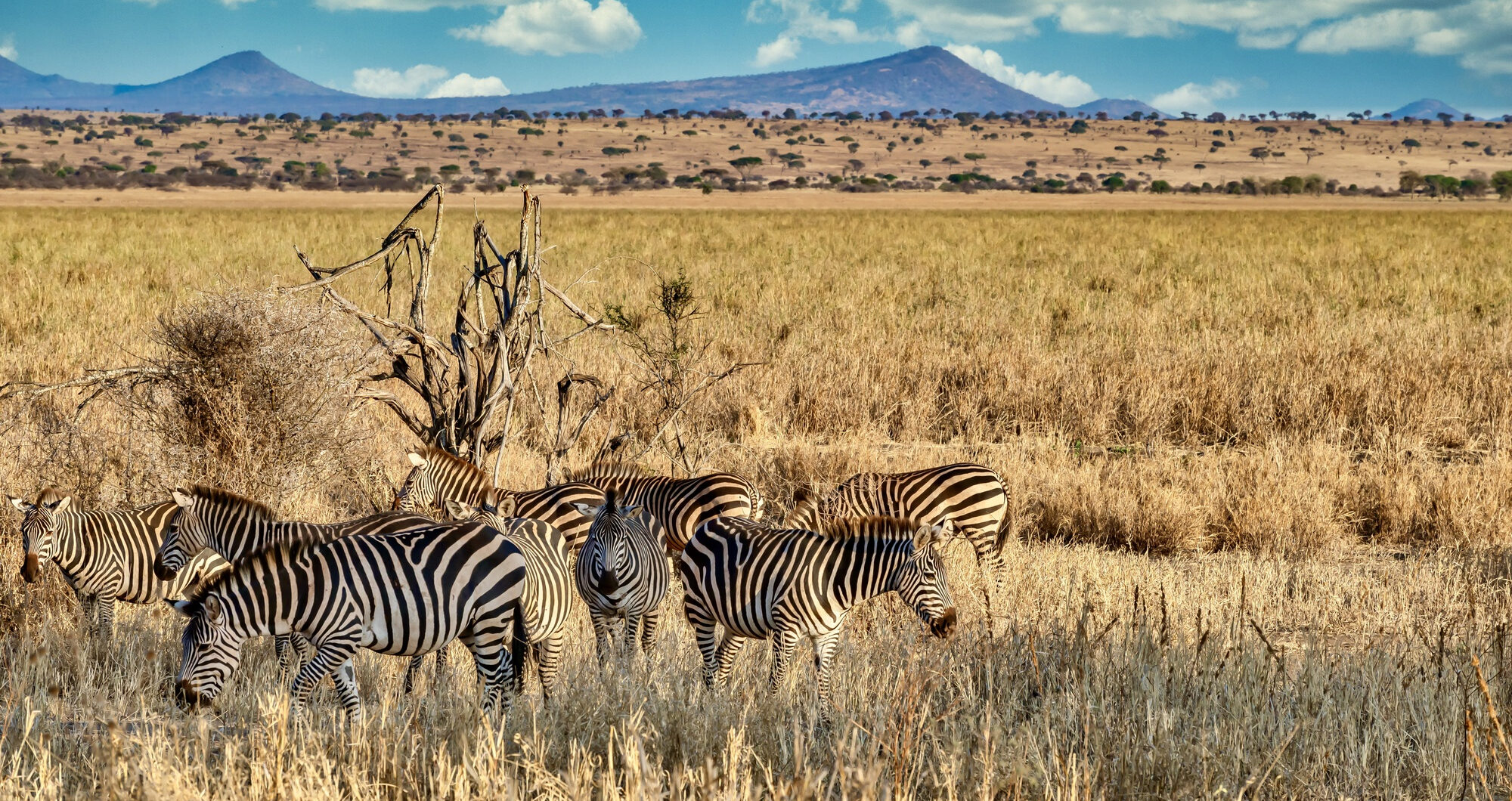

Over the past decade, Rwanda has emerged as a notable eco-tourism destination. With accessible flight routes from London to Kigali, British holidaymakers and adventure seekers are increasingly exploring the mountainous landscapes of East Africa. From tracking mountain gorillas in Volcanoes National Park to spotting wildlife on the plains of Akagera, the country offers a diverse itinerary.
While fully guided tours remain a common choice, a growing number of independent travellers are discovering that experiencing the “Land of a Thousand Hills” from behind the wheel is a viable option. Rwanda features well-maintained primary road networks compared to many other regions on the continent. However, navigating the shifts in terrain requires careful logistical planning and selecting an appropriate vehicle.
The Appeal of the Rwandan Road Trip
A key advantage of hiring a vehicle in Rwanda is the flexibility it offers. Public transport, while functional for locals, often does not cater to the specific timetables or remote locations required by wildlife enthusiasts. Having private transport allows visitors to dictate their own pace, stopping to photograph the terraced tea plantations, visiting rural cooperative markets, or taking in the distinctive vistas that define the country’s topography.
Furthermore, Kigali is known for being a clean and orderly capital city. The roads are paved, clearly signposted, and regulated, making the initial adjustment to driving in a new country more straightforward for international visitors.
Matching the Vehicle to the Itinerary
A practical step for a Rwandan road trip is vehicle selection. The country’s primary infrastructure is generally good, but road conditions vary drastically the further one travels from the capital. Reviewing informational resources like 9 Rwanda Car Hire Options: From Budget Cars to 4×4 Safari can help travellers understand the types of vehicles available for specific routes.
Vehicle requirements in Rwanda are generally categorised by their intended use:
- Urban Cruising and Intercity Transit: For travellers staying within Kigali, or tourists only travelling on the major tarmac arteries between the capital and hubs like Huye or Musanze, a standard saloon car or compact SUV is usually sufficient. These vehicles typically offer good fuel economy and manoeuvrability in city traffic.
- The National Park Experience: For those venturing into the national parks, the requirements change. The access roads to Nyungwe Forest or the outer edges of Volcanoes National Park can become steep, unpaved, and slippery, particularly during the rainy seasons (March to May and October to November). A mid-range 4×4 is generally needed for maintaining traction and ground clearance.
- Deep Safari Excursions: For a safari experience in Akagera National Park, standard SUVs often fall short. The rugged tracks within the park generally require heavy-duty, off-road 4×4 vehicles, such as Toyota Land Cruisers. Vehicles modified for safaris—featuring reinforced suspensions and pop-up roofs—are frequently utilised, as they provide an elevated vantage point for photographing wildlife.
Practical Considerations for British Drivers
Before setting off, British drivers must be aware of a few key operational differences. First and foremost, driving in Rwanda is on the right-hand side of the road. While this requires a brief period of mental adjustment for UK drivers, the traffic conditions outside of central Kigali can make the transition manageable.
Additionally, speed limits are strictly enforced across the country. The standard limit is 60 km/h in urban areas and 80 km/h on national highways, with frequent police checkpoints utilising radar speed guns. These checkpoints are routine; drivers are simply expected to present their driving licence, vehicle registration, and insurance documentation when asked. British visitors should also ensure they carry an International Driving Permit (IDP) alongside their standard UK licence.
Importantly, visitors are advised to consult the latest UK Foreign Office travel advice before travelling, particularly regarding western border regions near the DRC.
The Road Ahead
Rwanda offers a unique and memorable travel experience. By planning routes carefully, understanding local driving laws, and securing a vehicle that matches the demands of the landscape, independent travellers can navigate a deeply personal journey through the heart of the continent.