
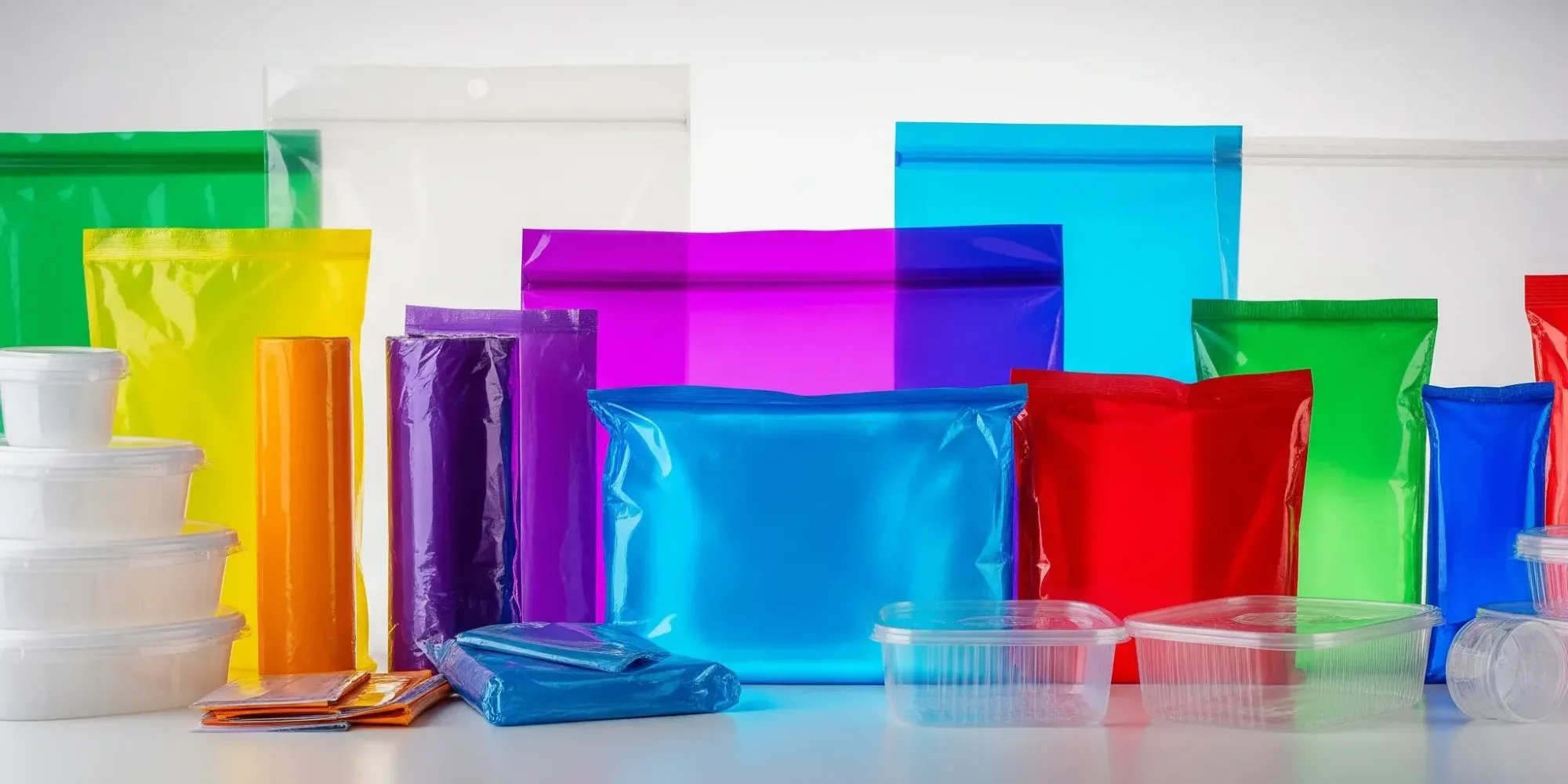

Global polyethylene packaging industry poised for steady growth
The global polyethylene packaging market is set to grow from USD 116.25 billion in 2024 to USD 168.81 billion by 2034, expanding at a CAGR of 3.77%, according to new industry forecasts. This steady growth is attributed to increased demand for flexible and lightweight packaging, particularly in the food and electronics sectors, and the growing influence of sustainability and artificial intelligence (AI) in packaging innovation.
Market at a Glance
2025 Market Value: USD 120.63 billion
Forecast for 2034: USD 168.81 billion
Growth Rate (2025–2034): 3.77% CAGR
Leading Region (2024): Asia Pacific
High-Growth Region (2025–2034): North America
Top Product (2024): High-Density Polyethylene (HDPE)
Emerging Product Segment: Linear Low-Density Polyethylene (LLDPE)
Dominant Application (2024): Food packaging
High-Growth Application Segment: Electronics packaging
Drivers: A push toward circular economy and convenience
The polyethylene packaging market is significantly influenced by the global shift toward recycling and sustainability. As regulatory pressure and consumer expectations grow, companies are investing in recycling infrastructure, bio-based materials, and eco-friendly packaging formats. Polyethylene’s recyclability positions it as a prime candidate in the shift to circular economies.
Consumer lifestyles also play a crucial role. The convenience of ready-to-eat foods and the surge in online shopping have led to increased demand for durable, moisture-resistant packaging materials like HDPE and LLDPE.
Challenges: Rising environmental concerns
Despite its widespread use, polyethylene faces headwinds from growing ecological consciousness. Consumers and regulators are increasingly pushing for sustainable alternatives, creating challenges for companies heavily reliant on traditional PE packaging. Transitioning to greener materials remains both a cost and logistical hurdle for the industry.
Opportunities: Enhanced product safety and innovation
With the global food industry emphasising safety and hygiene, polyethylene’s properties—such as chemical resistance and non-toxicity—have made it a preferred material for food packaging. Its adaptability to various forms like films, bottles, and pouches supports both mass and niche use cases.
Furthermore, polyethylene’s role in protecting sensitive electronics, including smartphones and semiconductors, opens up new avenues. The electronics segment is showing remarkable growth as manufacturers adopt antistatic and conductive PE materials for circuit board protection.
Tech-driven transformation: Role of AI in packaging
Artificial Intelligence is revolutionising the packaging process by optimising material selection, enhancing design integrity, and enabling real-time monitoring. Machine learning helps assess ecological impact and improve packaging strength, while IoT-enabled sensors track product condition during shipping. Visual AI technologies assist with label design, QR code placement, and branding consistency, creating a more interactive and consumer-responsive packaging experience.
Segmental insights: HDPE Leads, LLDPE and Food Drive Adoption
HDPE (High-density polyethylene): Accounted for the largest share in 2024, driven by beverage packaging, especially for milk and juices. Its recyclability and durability contribute to sustained dominance.
LLDPE (Linear low-density polyethylene): Projected to grow at a steady rate due to its enhanced sealing, clarity, and stretch properties, finding use in frozen foods and agriculture.
Food application: Remained the top application in 2024, supported by its cost-efficiency and adaptability to evolving food delivery and hygiene trends.
Electronics Segment: Poised for rapid expansion with a need for static-free, protective materials for high-value tech components.
Regional outlook: Asia Pacific Leads, North America Rises
Asia Pacific: Led the market in 2024 due to rising demand in food packaging and industrial expansion in countries like China, India, and South Korea. The region benefits from strong manufacturing bases and rising disposable incomes.
North America: Expected to register notable growth between 2025 and 2034, fueled by increasing demand for LLDPE and electronics packaging, along with a strong push for sustainable practices.
Industry updates and milestones
May 2025: AE Global launched certified plastic-neutral and plastic-negative packaging in collaboration with rePurpose Global, marking a significant shift in sustainable packaging strategies.
January 2025: Cirkla introduced the world’s first moulded fibre MAP trays, cutting plastic usage by 85%—a milestone in eco-conscious packaging solutions.
AE Global’s Managing Partner, Mike Forenza, remarked, “When brands show they’re taking responsibility for their plastic footprint, it drives real-world impact and consumer trust.”
Conclusion
As the world seeks smarter, greener, and more efficient packaging solutions, polyethylene remains at the heart of this transformation. With AI driving innovation, a growing emphasis on circular economies, and expanding applications across industries, the polyethylene packaging market is set for robust and sustainable growth through 2034.
Source : https://www.towardspackaging.com/insights/polyethylene-packaging-market-sizing







