
I fill up at the same Esso garage on the South Circular most Sundays, and for the last year or so I’ve caught myself doing the same small wince every time the total ticks past £70. My commute hasn’t changed. I still drive the same 11 miles from Streatham into town three days a week and take the train the other two. What’s changed is what that drive costs me, and I know I’m not the only one doing the mental maths at the pump these days.
Fuel prices across London have been volatile for a while now, pushed up by everything from oil market jitters to the capital’s own higher-than-average pump prices compared to the rest of the country. For a lot of households, that’s real money disappearing from a budget that was already tight. So rather than complain about it, I wanted to put together what’s actually worked, both for me and for people I’ve talked to who are dealing with the same squeeze.
The Numbers Behind the Squeeze
One can get a sense of the magnitude of the change. A commuter driving to work each week, topping up a 50-55 litre fuel tank weekly, sees the cost of one fill-up increase by £15 to £20 over last year or two’s price level. Do the math for a month, and you will see an increase of £60 to £80 spent to maintain the same routine. Take into account any other charges specific to London, such as the Congestion Charge or the ULEZ expansion area, and the figure gets serious.
None of the five items listed below represents a major upheaval in one’s lifestyle. It is a series of minor, repetitive steps that make a real difference.
1. Trim the Trips That Don’t Need to Happen
This sounds almost too obvious to mention, but it’s the first thing that made a dent for me. I used to drive to the big Sainsbury’s twice a week out of habit, when once with a proper list would have done the same job. Batching errands into a single outing instead of three smaller ones is a small thing on paper, but over a month it can quietly save a full tank’s worth of fuel.
2. Let the Tube or Bus Take the Strain Some Days
I’m lucky that Streatham has decent train links into Victoria, so two of my five commuting days now happen entirely without the car. It’s not always faster door to door, especially with a change or two, but it takes the fuel cost out of those days completely. For anyone within reasonable reach of a station or a reliable bus route, even swapping two car days a week for public transport adds up quickly.
3. Split the Cost With Someone Going the Same Way
A colleague of mine lives ten minutes from me and works the same shift pattern, so we started sharing the drive in on the days we’re both in. Splitting fuel two ways on a shared commute is one of the oldest tricks in the book, and it still works exactly as well as it always did. It also makes the early starts a bit more bearable, if I’m honest.
4. Question Whether a Second Car Earns Its Keep
This one’s a bigger step, but it’s worth asking honestly. A friend of mine and her partner went from two cars to one last spring after doing the sums on insurance, MOT costs, parking permits, and fuel for a car that mostly sat outside their flat during the week. They now use a car club for the occasional big shop or weekend trip out of the city. It’s not the right call for everyone, particularly if your journeys are longer or less predictable, but for a lot of two-car London households, one of those cars is doing far less work than its running costs suggest.
5. Swap Some Drives for Two Wheels
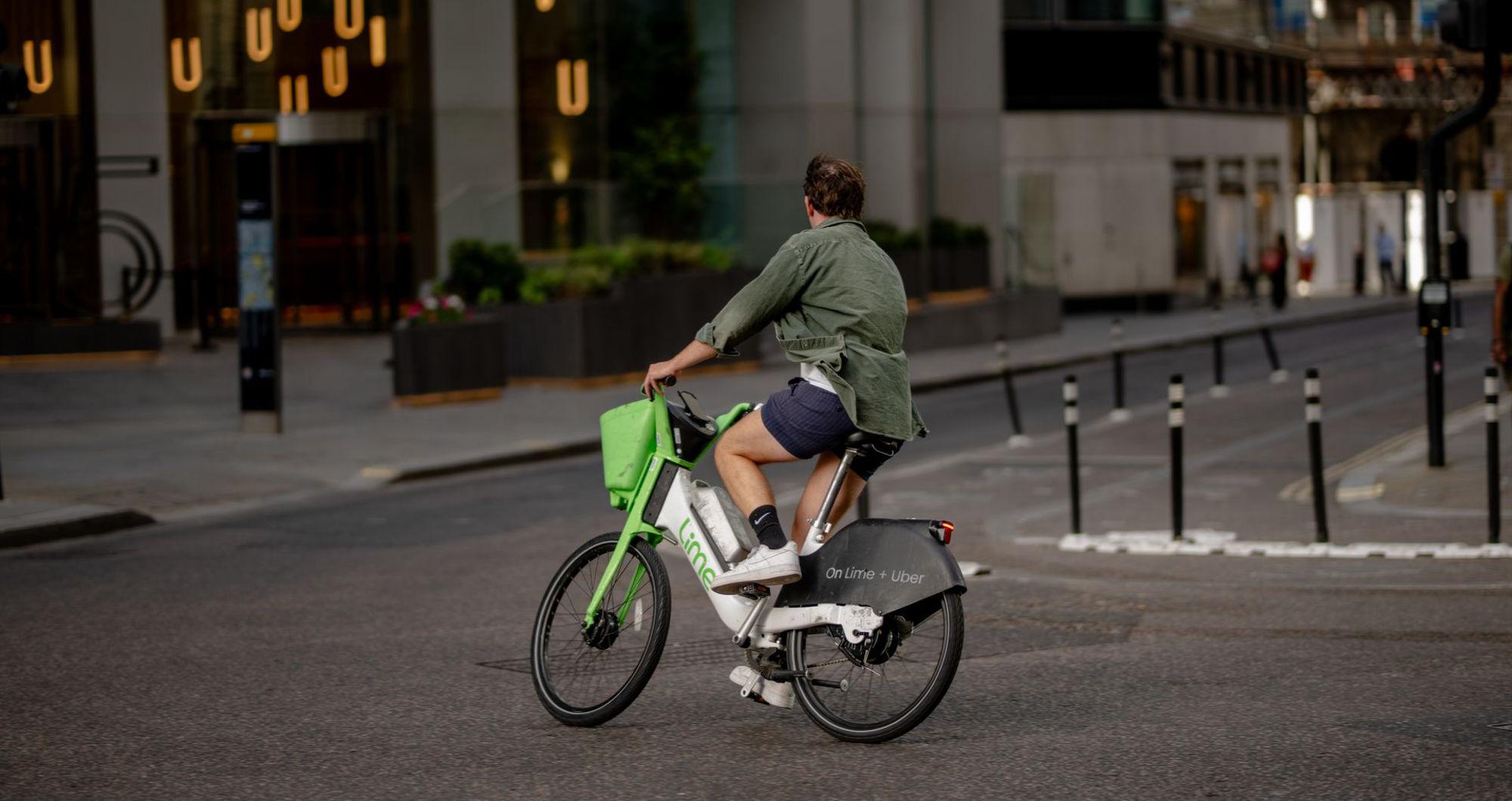
The change that’s made the biggest difference for me personally has been picking up a cheap secondhand bike for the days I don’t take the train, and more recently trying an e-bike for the stretch through Tooting where the road gets a bit hillier than I’d like on a normal commute. The pedal assist takes the edge off the parts of the ride that would otherwise put me off doing it regularly, especially arriving at work without needing a full change of clothes. It doesn’t replace the car entirely, but it’s taken two more days a week off my fuel bill, on top of the train days, and I’ve noticed the savings show up clearly by the end of the month.
Where I’ve Landed After a Year of Watching Prices Climb
I still own the car, and I don’t think I’ll be getting rid of it soon. Some journeys, especially with my daughter’s football kit and a boot full of Saturday shopping, genuinely need it. But the routine of asking myself, “Does this particular trip actually need the car?” before I automatically grab the keys has probably saved me more over the past year than any single big decision could have. Fuel prices don’t look like they’re settling down any time soon, so for now, that habit is staying.
Feature image by Pexels