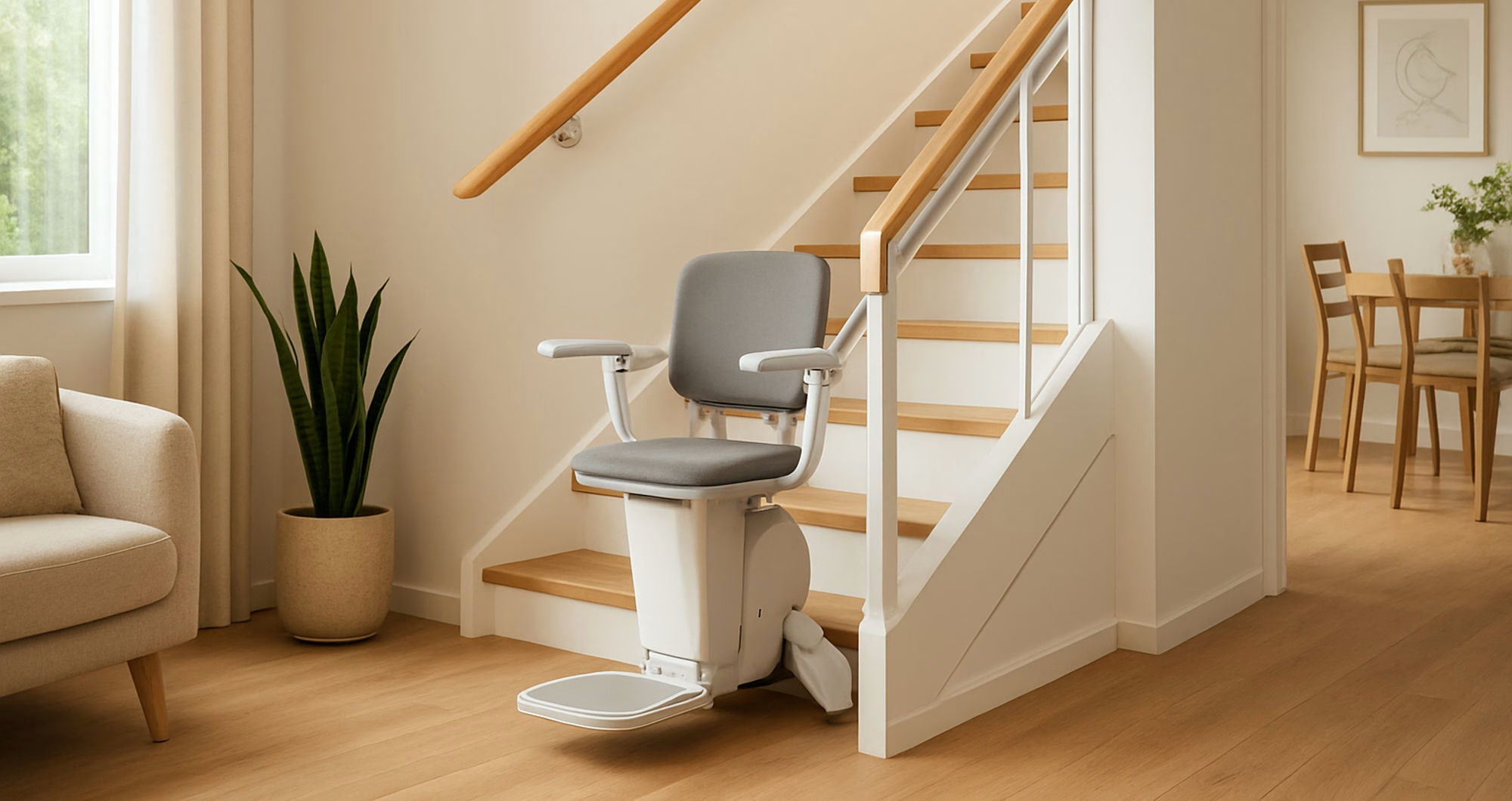

Making homes more accessible has become a priority for families around the world. As people aim to create safe and comfortable environments, the role of technology and thoughtful design continues to grow. Something as simple as handrails for stairs can make a meaningful difference, offering security and confidence to those who face mobility challenges. At the same time, advanced solutions are reshaping how people move through their living spaces with ease and independence.
Why home accessibility matters
Accessibility is more than just adding features to a house. It is about removing barriers that prevent individuals from enjoying freedom and safety within their own home. When a space is designed with accessibility in mind, it promotes confidence and independence while reducing the chances of accidents or discomfort.
Blending safety and comfort
Safety is the foundation of accessibility, but comfort makes the experience more complete. A thoughtfully designed home combines both, allowing individuals to move freely without feeling restricted. From simple design adjustments to smart technologies, accessibility today is about blending function with comfort.
Smart solutions leading the way
Technology has opened new doors in home accessibility. Tools that were once considered luxuries have now become necessities, making it easier for individuals with mobility challenges to live with dignity.
Automated home features
Advanced features, motion sensors, and smart lighting are now common in many accessible homes. These solutions reduce the need for physical effort, allowing individuals to control their environment more easily. The combination of safety features with convenience creates an empowering living experience.
Accessibility beyond technology
While modern tools and smart devices play a huge role, traditional solutions remain equally important. Accessibility is not always about high-tech solutions. Sometimes, it is the simple and reliable tools that provide the most support.
The power of simple additions
Supportive seating, nonslip flooring, and wider doorways can transform how a home feels. These features are easy to overlook but can significantly change daily routines. They allow individuals to move without hesitation and create an atmosphere of independence.
Customising spaces for individual needs
No two individuals have the same mobility challenges, which is why customisation matters. A home designed with personal needs in mind makes everyday living smoother and less stressful.
Adaptability and long-term planning
Accessibility should not only address current needs, By designing spaces that can adapt, families ensure that their homes remain welcoming and functional over time. Planning ahead reduces the cost and difficulty of future modifications.
A shift in perspective
Instead of viewing accessibility as a special adjustment, more families are starting to see it as a natural part of home design. This shift changes the way homes are built and renovated, ensuring that they are suitable for people of all ages and abilities.
The role of mobility enhancements
Mobility-focused additions are at the heart of accessibility. They ensure safe movement between rooms and across different levels of the home. These solutions are becoming more sophisticated while remaining practical for daily use.
Combining traditional and modern tools
Features like ramps, automated doors, and advanced lifts combine the reliability of traditional solutions with the benefits of modern innovation. These features work together to build homes that are both safe and empowering.
How advanced tools bring freedom
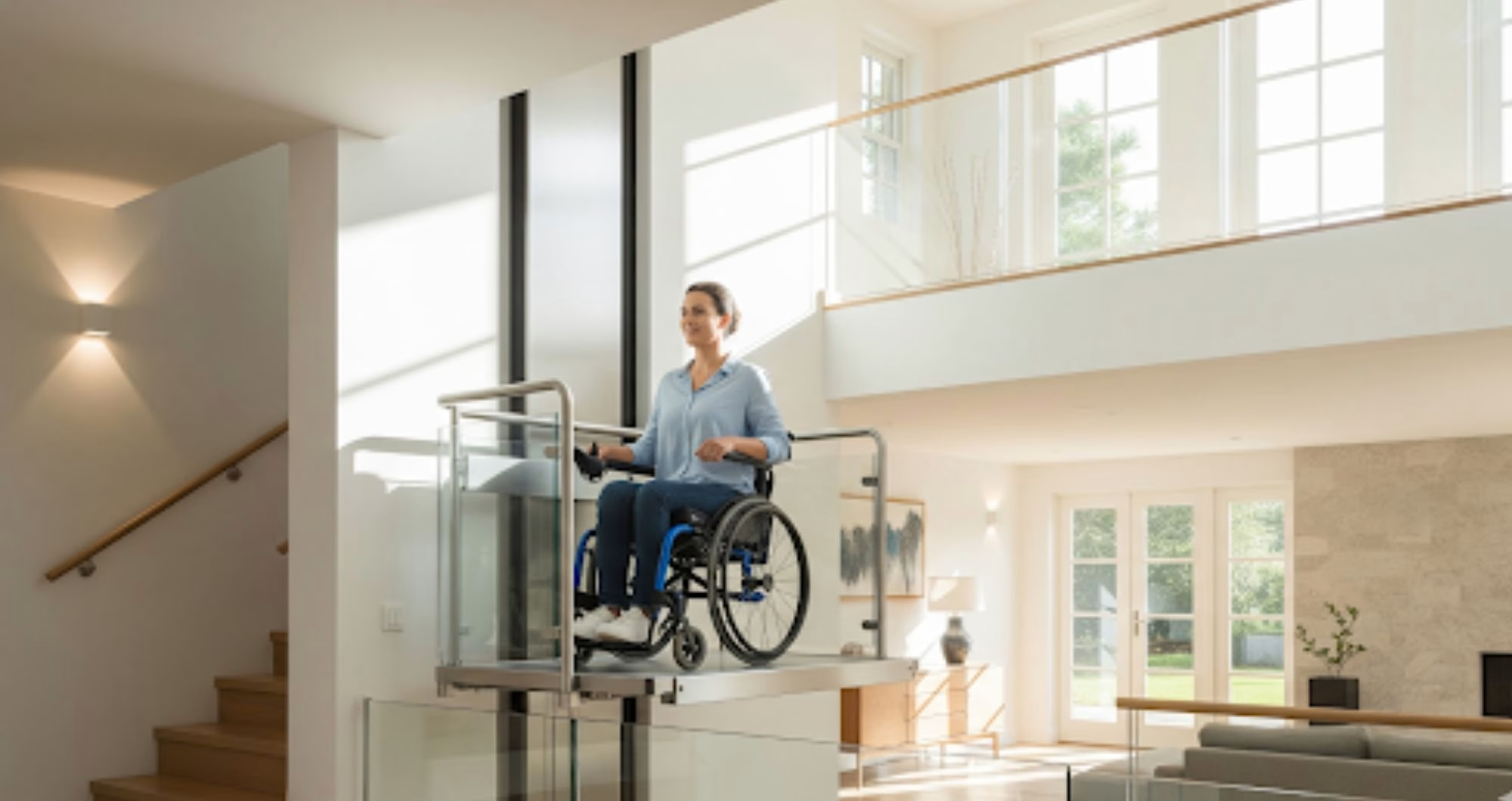
Among the modern accessibility features, few are as transformative as the wheelchair lift. It provides smooth access between floors, eliminating the struggle of stairs and opening the entire home for use. This simple yet powerful addition creates a sense of freedom and ensures that mobility limitations do not restrict where someone can go in their own house.
A future of inclusive living
Smart solutions and thoughtful designs are redefining what it means to live in an accessible home. From simple tools like handrails for stairs to advanced technologies such as lifts and automated systems, accessibility is about ensuring safety, independence, and dignity. Homes that embrace these solutions become spaces where everyone can thrive, regardless of age or ability. The future of home accessibility lies in blending practicality with innovation, creating environments where living is not just possible but fulfilling.