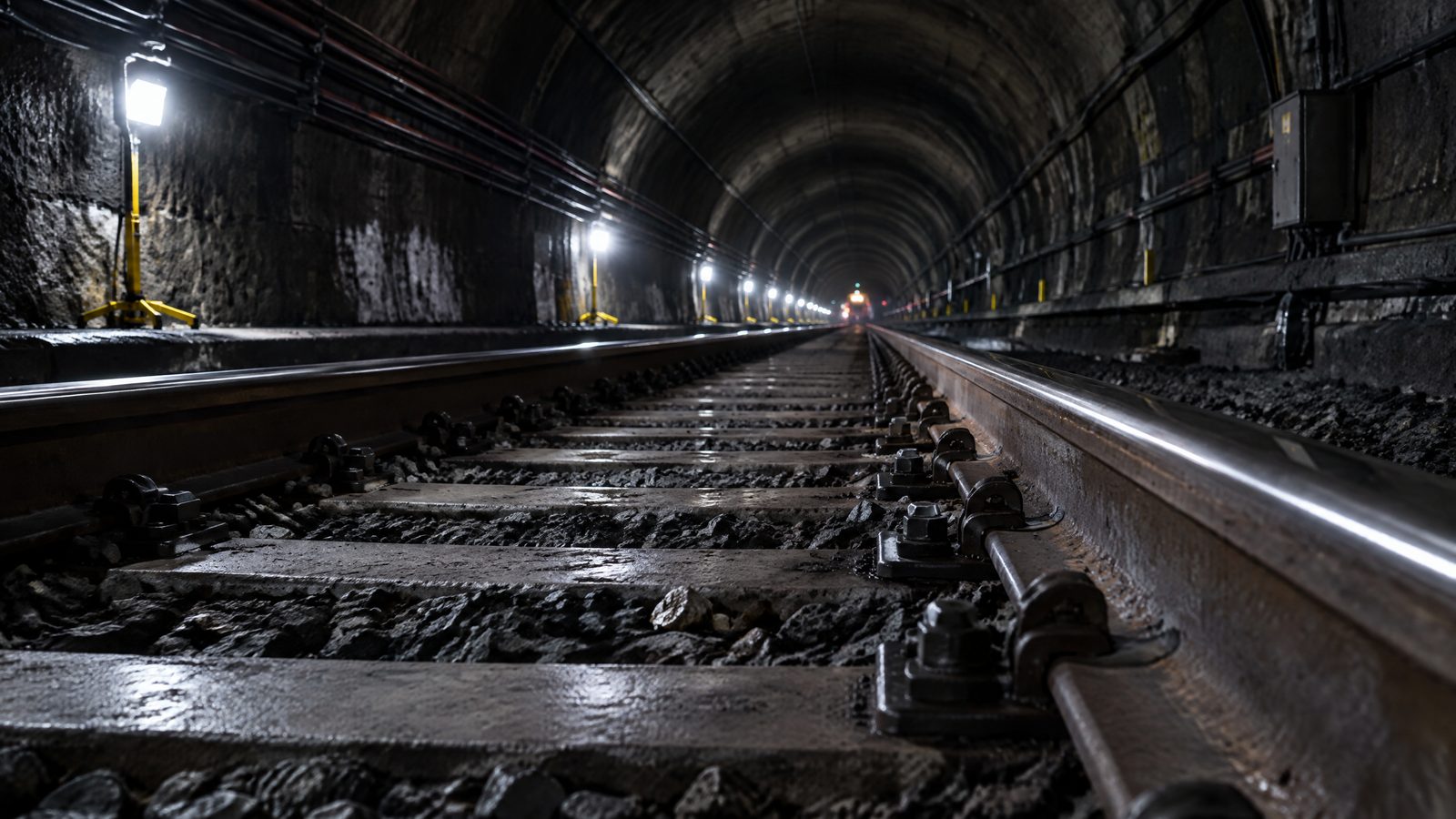

The London Assembly has told a scrutiny session that Transport for London’s capital-renewals backlog is estimated at £6.5bn, and that renewals spending averaged about £700m a year in the five years to 2025-26 against an estimated £1.1bn to £1.2bn annual need. The body also examined concerns about track condition after independent coverage reported a TfL figure that 42% of Underground track is classed as very poor and a rise in infrastructure incidents. TfL has emphasised that a very-poor condition classification does not itself mean track is unsafe and that safety remains its top priority.
Why the backlog matters
A capital-renewals backlog of £6.5bn represents a significant gap between the level of work assessed as required and current spending. Capital renewals fund the replacement and major refurbishment of worn assets, from signalling and track to structures and station fabric. When renewal programmes are deferred, the condition of assets can deteriorate over time, increasing the risk of service disruption and making future works more expensive.
The reported shortfall in annual renewals spending — averaging about £700m a year in the five years to 2025-26 compared with an estimated £1.1bn to £1.2bn annual need — indicates that levels of investment have been below expert-assessed requirements. That gap underpins the backlog figure and helps explain why a large proportion of infrastructure is assessed as in poor condition.
Who is affected
The condition of the transport network touches a wide range of users and services. TfL is responsible for 580km of major roads, more than 1,800 structures, about 400km of Underground track, 272 Underground stations and more than 19,000 bus stops. These assets collectively support hundreds of millions of journeys each year on rail, bus and road.
Passengers, daily commuters and people who depend on buses and stations for access to work, education and services are directly affected by the reliability and condition of this infrastructure. Road users and businesses that rely on the transport network to move goods or customers can also be affected by closures and delays that arise when renewals are deferred.
Context and constraints
The Assembly’s scrutiny focused on the consequences of deferred capital renewals funding and on the information available about the state of assets. The figure that 42% of Underground track is classed as very poor, as reported in independent coverage of a TfL figure, has drawn attention to track condition as a specific area of concern. TfL’s response has been to caution that the very-poor classification does not by itself indicate that track is unsafe and to reiterate that safety remains its top priority.
Classification systems for asset condition typically combine visual inspections, engineering assessments and performance data. A very-poor categorisation commonly signals an elevated need for replacement or refurbishment rather than an immediate safety failure, but it also identifies where investment is likely to be required to restore performance and resilience.
Next steps and limits
The scrutiny by the London Assembly highlights decisions to be made about prioritisation of projects, funding allocations and the sequencing of renewals. Choices over investment levels and which assets to address first will influence service reliability and future costs. Any plan to reduce the backlog would need to take account of operational constraints, workforce capacity and the availability of capital funding.
TfL’s position that safety remains its top priority sets a clear operational limit: works and inspections will continue to be carried out where safety considerations demand them. The Assembly’s work is likely to focus on oversight of progress, the transparency of condition reporting and how funding shortfalls are being addressed.
The figures presented to the Assembly describe a network with substantial renewal needs and a funding gap that has accumulated over time. Further discussion and oversight will be necessary to determine how the backlog is managed, how priorities are set, and how the condition of key assets is monitored and reported going forward.