
The London Assembly’s Budget and Performance Committee has told the Mayor that deteriorating assets on the Transport for London network are costing passengers more than 800,000 hours a week, measured as lost customer hours and averaged across 2026-27 so far. The committee set out the figure in a letter to the Mayor on 5 November, alongside its estimate of the repair bill behind it.
That backlog, covering capital renewals across the network, stands at £6.5bn and is projected to grow under current funding assumptions. The committee’s concern is that the figure is a moving total rather than a fixed bill: each year that renewals run behind schedule adds work to the queue while the assets themselves carry on wearing out. The track alone accounts for more than £3.2bn of the total. The committee drew on Transport for London’s own asset condition data for the picture it presented.
Condition of the track
On that data, 42 per cent of track is classified as very poor, with a further 17 per cent classified as poor. Fewer than half the network’s track therefore sits outside those two categories, which is the basis for the committee’s argument that the problem is structural rather than a matter of isolated faults.
Neil Garratt, who chairs the Budget and Performance Committee, said that even immediate funding would take at least a decade to clear the backlog. His point was about the time required rather than the money alone: renewals have to be sequenced around a working railway, so a large injection of cash cannot be turned into finished track at once. Set against a year, 800,000 hours a week amounts to more than 41 million passenger hours, which is the unit in which the committee wants the problem understood.
The letter asks Transport for London to set out a recovery strategy in its 2027-28 Budget submission to the Mayor this month. It also wants performance reporting on the model used for the Bakerloo line, so that reliability on individual assets is visible in public rather than absorbed into network-wide averages.
The funding gap
Transport for London has said it has lifted capital renewals funding to an average of £860m a year. On that figure, the £6.5bn backlog is more than seven times the annual sum now going into renewals, before any allowance for assets that deteriorate further while the work is being planned.
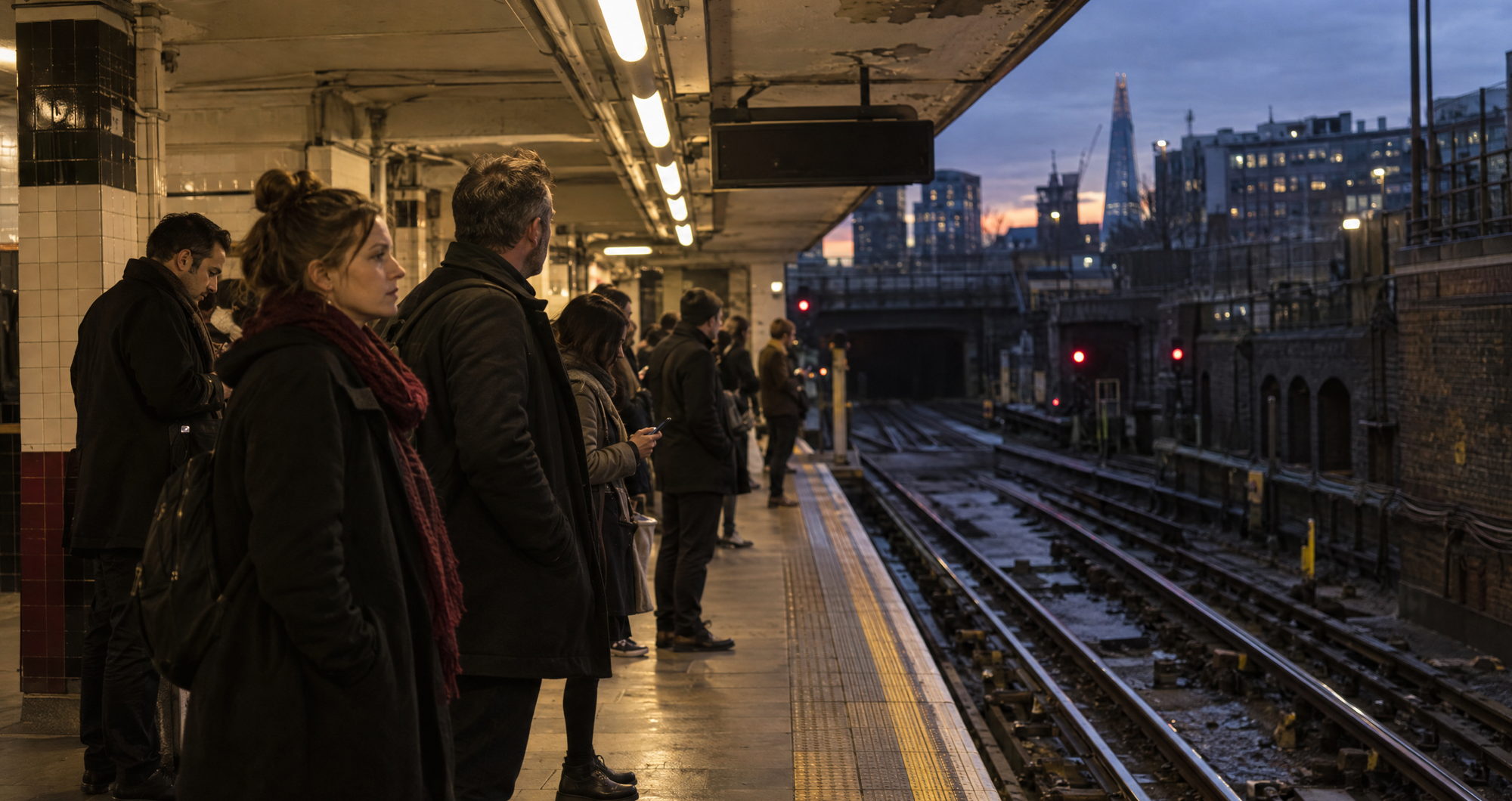
The timing matters because the Mayor’s budget for 2027-28 is being assembled this month, and any request for government support would rest on the numbers the committee has now put in writing. Lost customer hours give that argument a unit that passengers recognise: time spent waiting on platforms, or on trains held between stations, rather than a condition score on an engineering spreadsheet.
For passengers, the consequence is that reliability on the oldest parts of the network is likely to stay below the standard set elsewhere until renewals are completed. The practical effects are familiar ones: longer waits, short-notice cancellations and journeys abandoned in favour of buses or walking.
Whether the Mayor’s submission adopts the committee’s framing, and whether it carries a dated plan rather than a statement of intent, will be clear when the budget papers are published. The committee has asked for both, and has tied its scrutiny of next year’s budget to receiving them. Its letter also makes clear that it expects the strategy to be costed, so that the distance between the £6.5bn and the £860m a year now committed is stated openly rather than left to be inferred from the totals.