
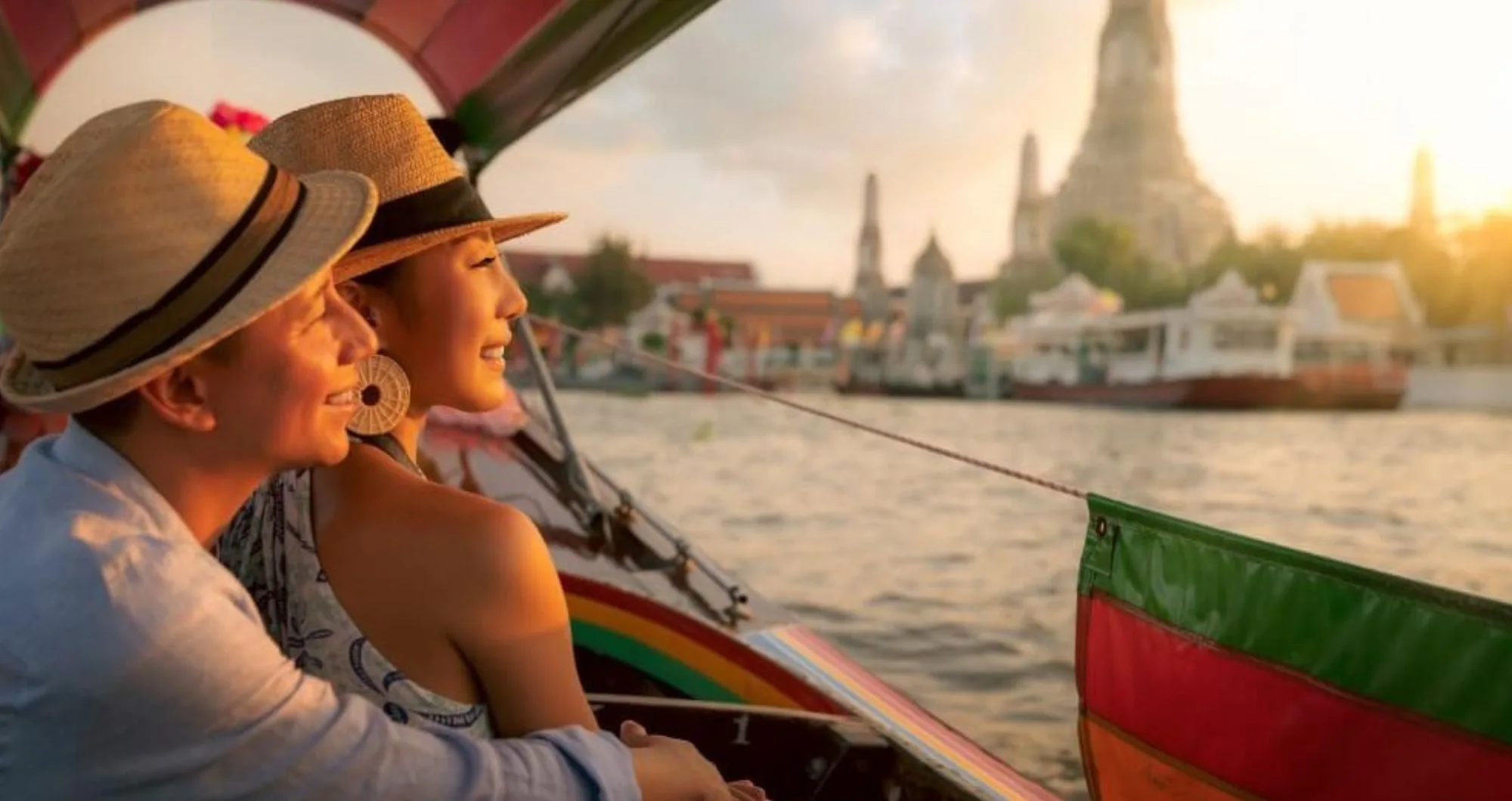

Thailand has always been a magnet for tourists, with its golden temples, white-sand beaches, and warm hospitality. But after years of record-breaking visitor numbers, the country is now shifting focus — not on attracting more tourists, but attracting the right ones. The Thai government has set its sights on “high-quality travellers” from markets like the United Kingdom, and the message is clear: it’s time for tourism to be more meaningful, responsible, and enriching.
At the heart of this strategy is a new kind of travel experience — one that places ethics, sustainability, and connection ahead of volume and cheap thrills. And few destinations reflect this better than Chiang Mai’s Elephant Freedom Project.
A Model of Ethical Tourism: The Elephant Freedom Project
In the hills outside Chiang Mai, far from the crowds and concrete, the Elephant Freedom Project offers an experience that’s both deeply moving and refreshingly honest. There are no tricks here, no rides or circus-style shows. Instead, visitors observe elephants as they are — curious, intelligent, and free.
This sanctuary in Chiang Mai has become a beacon for travellers who want their visit to mean something. Guests are welcome to watch as elephants bathe in the river, forage in the forest, and enjoy the peace they were once denied. Elephant sanctuaries in Chiang Mai also provide cultural insight through its work with local mahouts, whose bond with the elephants stretches back generations.
Elephant sanctuaries in Chiang Mai stand to benefit immensely from Thailand’s push for high-value visitors. These travellers — often older, more informed, and more intentional — are seeking out places like the Elephant Freedom Project precisely because they offer something different: authenticity.
And as demand grows for ethical elephant sanctuaries in Chiang Mai, this sanctuary and others like it are poised to take centre stage in Thailand’s evolving tourism story.
What Does “High-Quality Traveller” Mean?
This term might sound a bit vague at first, but Thailand’s tourism authorities have made it clear: they’re looking for travellers who stay longer, spend more per day, and seek deeper, more culturally respectful experiences.
Instead of budget backpackers chasing full moon parties, the goal is to welcome those interested in heritage, wellness, gastronomy, nature, and conservation. The UK is a natural fit. British travellers are already known for their appreciation of Thai culture and their interest in responsible travel. With the launch of direct flights and visa-free entry for UK passport holders during peak travel seasons, the path is now even easier.
How This Strategy Will Help Thailand’s Tourism Industry
Thailand’s decision to pivot toward high-quality tourism isn’t just about economics — though that certainly plays a part. It’s also a matter of sustainability. Over-tourism in hotspots like Phuket, Maya Bay, and parts of Bangkok has taken a visible toll on the environment and infrastructure. By spreading visitor traffic to lesser-known but equally worthwhile destinations, the Thai government hopes to ease that pressure and create more sustainable growth.
High-quality tourism tends to support local communities more directly. Whether it’s staying in family-run guesthouses, taking part in traditional crafts workshops, or volunteering at conservation programs, these travellers contribute in ways that go beyond money. There’s also a long-term vision here: fewer tourists who return again and again, building lasting relationships with the country and its people.
Other Destinations That Will Benefit
While the Elephant Freedom Project is a clear beneficiary, it’s not alone. This new focus will uplift a wide variety of attractions across the country:
- Doi Inthanon National Park – Thailand’s highest peak and a haven for nature lovers. Trekking and birdwatching here offer a tranquil alternative to the crowded southern islands.
- The Historic City of Ayutthaya – Once the capital of the Kingdom of Siam, Ayutthaya is a dream for history enthusiasts. High-value travelers are more likely to hire guides, rent bikes, and spend time exploring the ruins in depth.
- Chiang Rai’s White Temple (Wat Rong Khun) – An art masterpiece with spiritual roots. Visitors who appreciate symbolism and contemporary Thai artistry will find much to reflect on here.
- Wellness retreats in Pai and Mae Hong Son – These northern enclaves offer yoga, meditation, and detox experiences in lush surroundings. The slow pace is perfect for travellers seeking more than sightseeing.
- Sukhothai Historical Park – Another former capital, Sukhothai offers stunning temples and ancient moats without the crowds. Ideal for photographers and cultural travellers alike.
- Community-based tourism in Nan or Loei – Smaller provinces where travellers can experience daily life with Thai families, participate in rice farming, or attend local festivals. It’s a genuine way to understand the rhythm of rural Thailand.
A Tourism Future Worth Building
Thailand’s charm has never been just its beaches or temples — it’s the feeling you get walking through a quiet village at dusk, hearing the soft chant of monks, or sharing a meal with a stranger who quickly becomes a friend.
By focusing on travellers who value these deeper moments, Thailand isn’t limiting its reach — it’s enhancing its legacy.
The Elephant Freedom Project is a perfect example of where Thailand is headed. It’s not about numbers anymore. It’s about meaning. And for travellers from the UK and beyond, that might just be the invitation they’ve been waiting for.







