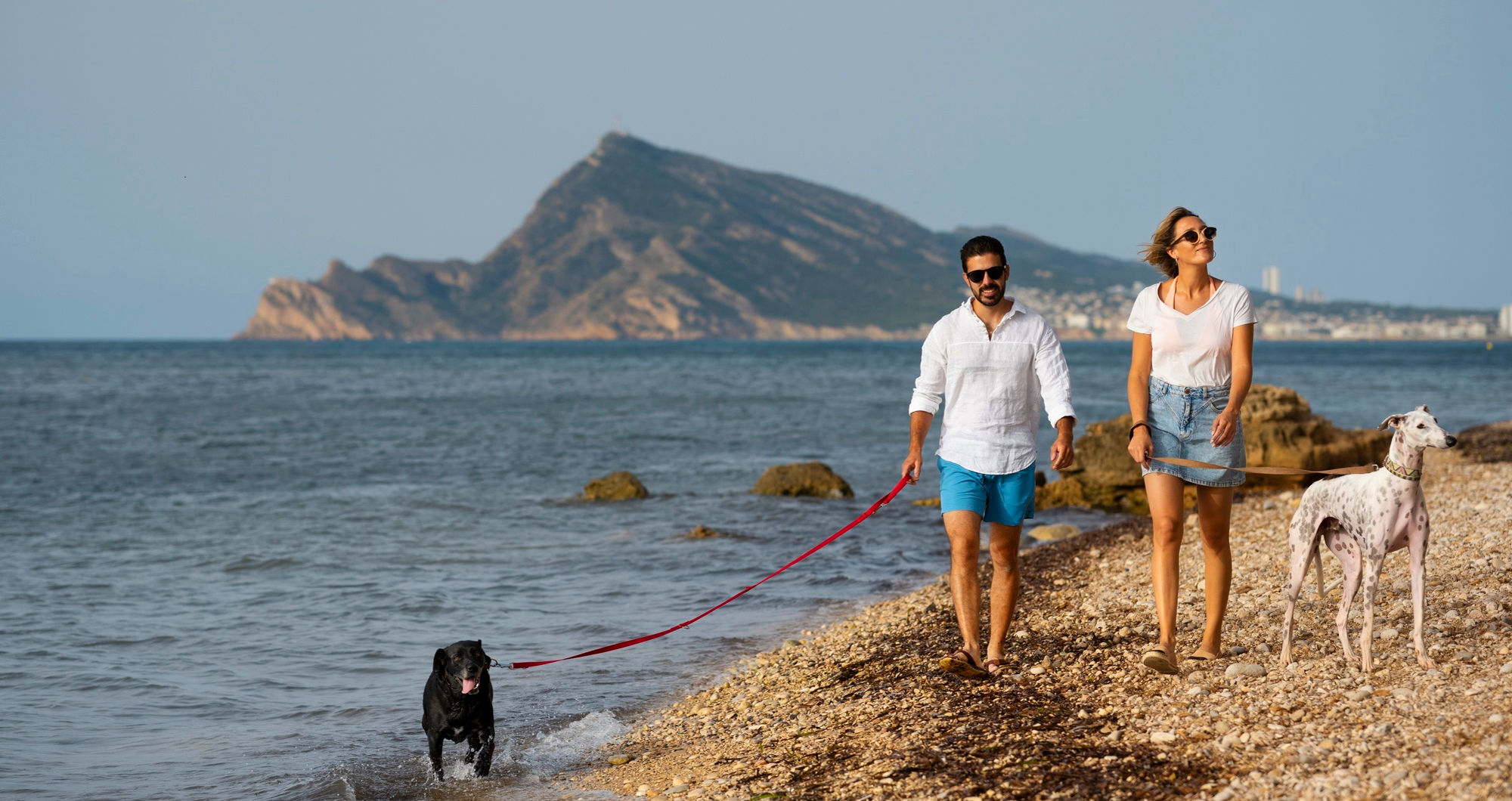

As we move through the spring of 2026, the cadence of life in the capital has reached a point of high-frequency saturation. For the London professional, the “always-on” digital culture—driven by augmented reality interfaces and instantaneous global connectivity—has created a profound need for what psychologists are now calling “Sensory Neutrality.” We are witnessing a mass migration of intent, where the luxury traveller is no longer seeking the gilded corridors of international hotels, but the autonomous, unscripted freedom of the British countryside.
This shift is not merely about a change in scenery; it is a fundamental move toward “Autonomous Luxury.” In this new travel paradigm, the discerning Londoner is prioritising privacy, space, and, most crucially, the inclusion of the four-legged members of their household. The traditional hotel model, with its rigid schedules and restrictive pet policies, is increasingly viewed as an obstacle to true decompression. Instead, the focus has shifted to high-fidelity, self-contained retreats that offer the comforts of a London townhouse within the expansive geography of the North Norfolk coast.
The Failure of the Traditional Hospitality Model
For decades, the hospitality industry operated on a model of “Managed Experience.” However, by 2026, this model has begun to fail the modern urbanite. The friction of the hotel lobby, the lack of private outdoor space, and the often superficial “pet-friendly” designations—which frequently come with weight limits and restricted areas—are incompatible with the lifestyle of the modern pet owner.
Today’s traveller demands a seamless extension of their home life. This includes the ability to maintain specific routines, such as preparing specialised, homemade meals for their animals. In a self-catering environment, the “Chef’s Kitchen” is not just an amenity for the humans; it is a vital workstation for the pet owner who prioritises their animal’s nutrition as much as their own. This level of control is the true marker of 2026 luxury: the ability to live exactly as you do in Chelsea or Hampstead, but with the salt air of the Atlantic as your backdrop.
The Norfolk Appeal: A Geospatial Analysis for High-Energy Breeds
While the UK offers numerous rural retreats, Norfolk has emerged as the gold standard for the London professional. This is due to its unique geospatial profile. Unlike the vertical, enclosed valleys of the Lake District or the undulating hills of the Cotswolds, Norfolk offers “Big Sky” geography. The county’s topography is defined by its vastness, particularly along the North Norfolk coastline, which provides the ideal environment for high-energy breeds that require significant physical and mental stimulation.
The sands of Holkham and the salt marshes of Blakeney are not just beautiful landscapes; they are functional “sensory playgrounds.” At low tide, Holkham Beach offers miles of firm, level sand, allowing for the kind of unrestricted exercise that is simply impossible in London’s Royal Parks. For the owner of a working breed or an active gundog, this environment is a necessity for the animal’s well-being. Identifying the premier canine holiday spots along this coast has become a primary objective for those planning their seasonal decompression.
Further inland, the Norfolk Broads offer a different, more rhythmic form of engagement. The labyrinthine waterways provide a tranquil setting for “Slow Travel,” where the goal is not distance but immersion. For the Londoner who spends their week navigating the high-speed transit of the Elizabeth Line, the gentle pace of a Norfolk riverbank offers a vital neurological reset.
The Anatomy of a Top-Tier 2026 Rental
The “Pet-Integrated” design of 2026 has moved far beyond simply allowing animals inside the property. A premier Norfolk cottage is now engineered with the “Canine Lifecycle” in mind. This begins with the “Transition Zone”—a sophisticated mudroom equipped with heated dog showers, industrial-grade drying facilities, and dedicated storage for outdoor gear. This ensures that the transition from the muddy marshes to the luxury interior is seamless and hygienic.
Inside, the materials are chosen for both aesthetics and durability. We are seeing a move toward high-end, non-slip flooring that remains cool in the summer and is compatible with underfloor heating in the winter. The “Secure Perimeter” is another non-negotiable feature. In 2026, a truly elite rental provides a “Sensory Garden”—an enclosed outdoor space designed with dog-safe botanicals, varying textures, and secure boundaries that allow for off-lead relaxation.
Proximity to the local community is also a key factor. The Norfolk hospitality scene has adapted brilliantly to this trend, with gastro-pubs in villages like Burnham Market and Salthouse treating canine guests with the same level of service as their owners. This “Total Integration” means that the holiday is never interrupted by the need to leave a family member behind.
The ROI of the Slow Break: Accessibility and Well-being
One of the primary drivers of Norfolk’s popularity among Londoners is its relative accessibility. With improved rail links from Liverpool Street and King’s Cross, a professional can transition from the City to a remote coastal cottage in under three hours. This low-friction travel is essential for the “Short-Burst” decompression that is becoming common in 2026—taking a Thursday-to-Monday break to reset without the logistical exhaustion of international flights.
The “Return on Investment” for these trips is measured in mental clarity and emotional resilience. The psychological benefits of “Blue Space” immersion—the proximity to large bodies of water—are well-documented. When combined with the companionship of a pet and the autonomy of a self-catering environment, the result is a profound restoration of the “Human Operating System.”
Conclusion: The Gold Standard of British Travel
As we look toward the peak of the 2026 season, it is clear that the “Norfolk Escape” is more than a travel trend; it is a lifestyle mandate for the London professional. By prioritising autonomy, sustainability, and the well-being of the entire household, these retreats are setting the benchmark for the future of British hospitality.
The era of compromising on quality or leaving the family pet behind is over. The modern traveller understands that true luxury is found in the absence of friction and the presence of nature. In the vast, salt-scented stretches of the East Anglian coast, the capital’s weary professionals are finding exactly what they need: a place to breathe, a place to run, and a place to truly disconnect from the digital noise.
Feature Image by freepik