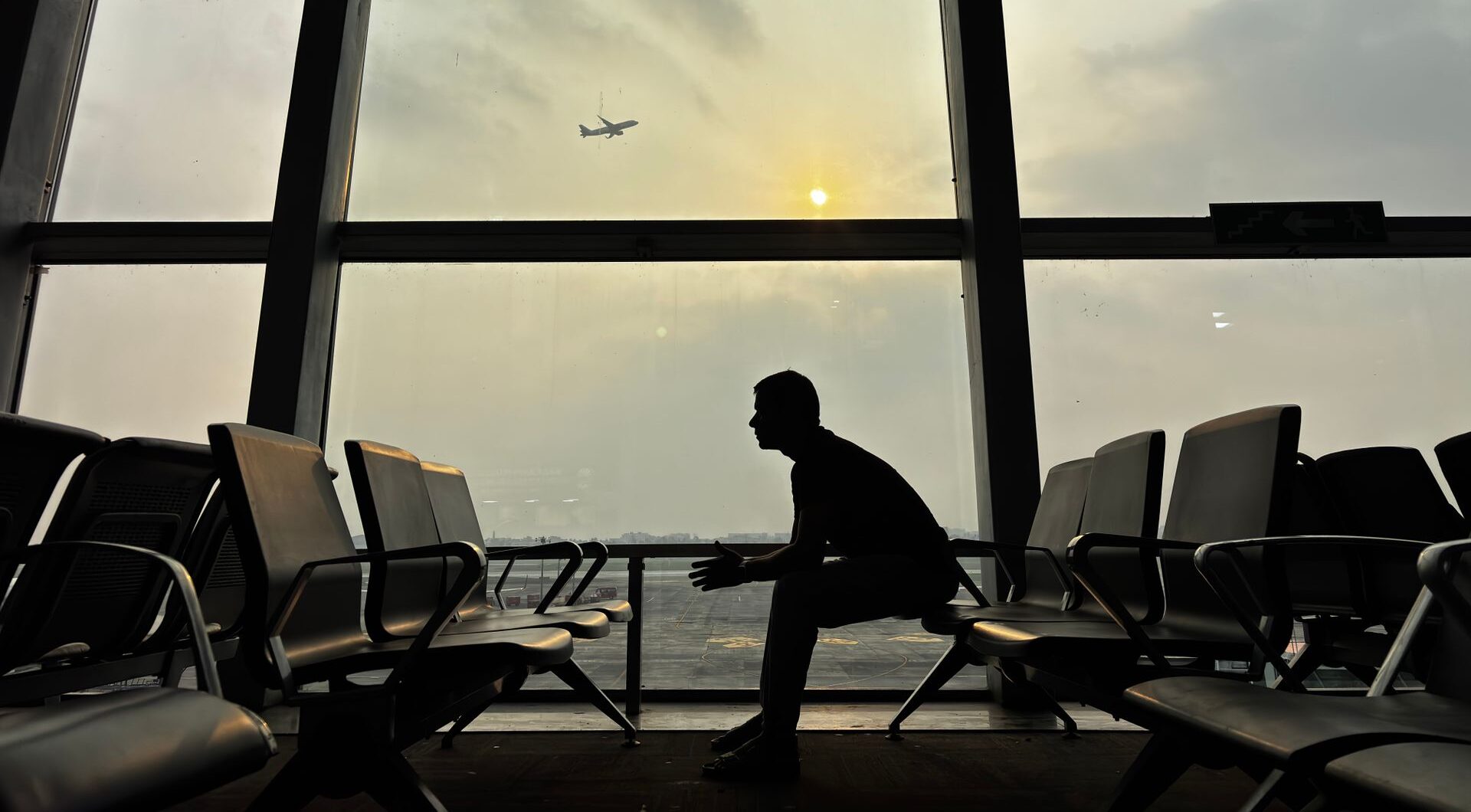

Many travellers are surprised to learn that a disruption earlier in the day can affect a completely different flight later on. If you have experienced this situation, you may be entitled to delayed flight compensation under certain circumstances. Understanding how knock-on delays work can help you know your rights and make informed decisions when your travel plans are disrupted.
How Knock-On Delays Happen
Airlines operate tight schedules, with aircraft often completing several journeys in a single day. When an earlier flight arrives late, the same aircraft may not be ready for its next departure on time.
For example, an aircraft travelling from Manchester to Madrid may be delayed because of operational issues. If that aircraft is then scheduled to operate a Madrid to London service, passengers on the second flight may also face delays.
This chain reaction is known as a knock-on effect. Even though passengers on the later flight were not involved in the original disruption, they can still experience significant inconvenience.
When Passengers May Be Eligible for Compensation
Eligibility depends on the reason for the delay and the length of the disruption.
Generally, compensation may be available when:
- The flight arrives more than three hours late at its final destination
- The original disruption that caused the knock-on delay was within the airline’s control
- The flight falls under applicable passenger rights regulations
- The claim is submitted within the permitted timeframe
If the original disruption that caused the knock-on delay resulted from extraordinary circumstances, such as severe weather, air traffic control restrictions, or airport security incidents, compensation may not be payable.
Compensation Amounts and Time Limits
The amount available can vary depending on the route distance and the length of the delay.
| Flight Distance | Potential Compensation |
| Up to 1,500 km | Up to £220 |
| 1,500 km to 3,500 km | Up to £350 |
| Over 3,500 km | Up to £520 |
Passengers should also be aware of claim deadlines. In England and Wales, passengers generally have up to six years to submit a UK261 claim, while in Scotland the limit is typically five years. Claim deadlines in other jurisdictions may differ. It is generally advisable to begin the process as soon as possible while records and documents remain available.
The 14-Day Cancellation Rule and Related Rights
Although knock-on effects frequently result in delays, they can sometimes lead to cancellations. When this happens, passenger rights may differ.
If an airline informs passengers of a cancellation fewer than 14 days before departure, compensation may be available unless extraordinary circumstances apply or the alternative flight offered falls within the exemptions set out under UK261 or EU261. Travellers may also be entitled to a replacement flight or a refund, depending on the situation.
Regardless of whether the disruption is a delay or cancellation, airlines must provide assistance when passengers are left waiting for extended periods.
Why Choose Skycop?
Claiming compensation directly from an airline can sometimes be confusing. Passengers may need to gather documents, understand regulations, communicate with customer service teams, and follow up repeatedly.
Skycop helps simplify this process by reviewing eligibility, preparing claims, and handling communication with airlines on behalf of passengers. This can reduce the administrative burden and save time for travellers who are unfamiliar with compensation procedures.
Conclusion
Knock-on delays show how problems on one flight can affect many others throughout the day. While these disruptions can be frustrating, passengers may have important rights depending on the cause of the original disruption and the duration of the delay. Understanding compensation rules, the three-hour arrival threshold, cancellation protections, and claim deadlines can help travellers respond more confidently when unexpected disruptions occur.
Feature image by Nitai Mondal on Pexels