
Cruising has changed a lot in recent years. It’s no longer just about staying on the ship; most travellers now treat the ports as the real highlight. The best cruise routes allow time to explore neighbourhoods, markets, historic streets, and natural landscapes that would be harder to reach on a typical holiday.
From Caribbean island towns to Norwegian fjords and Alaskan glaciers, some destinations are particularly well-suited for exploration by sea.
Island Hopping Through the Tropical Caribbean
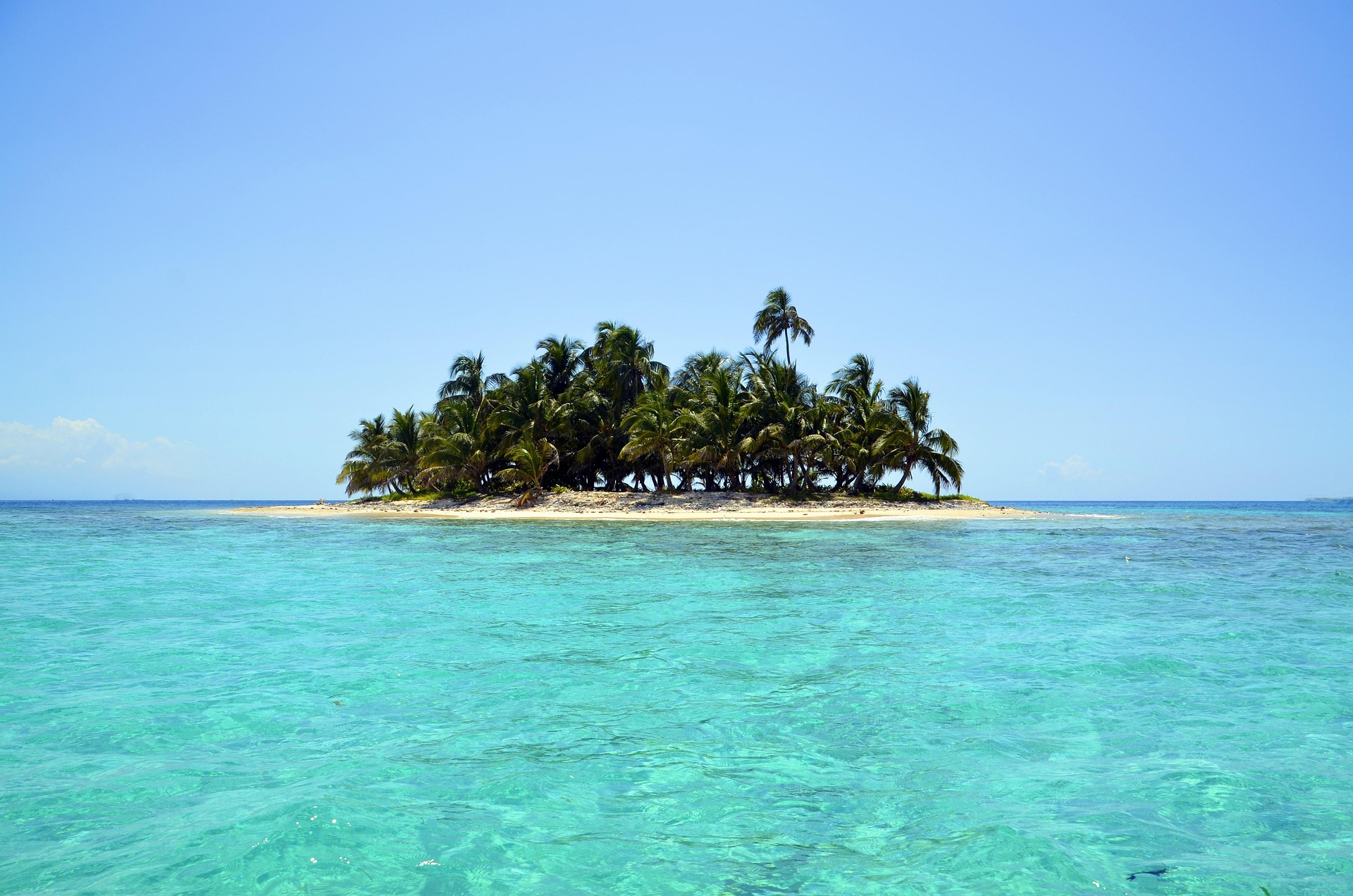
The Caribbean remains one of the easiest regions in the world to explore by ship. Distances between islands are short, and many ports sit right beside historic districts or waterfront promenades. Ships arriving in St. Maarten usually dock at Great Bay, which places visitors within walking distance of Philipsburg’s Front Street. The boardwalk runs parallel to the beach, and a short walk inland leads to the courthouse square before the road curves toward the bridge that connects to Simpson Bay.
Many travellers specifically choose to go on cruises to the Caribbean because the itinerary allows them to visit several islands without multiple flights. Ships frequently call at places like Charlotte Amalie in St. Thomas, where passengers can walk up Dronningens Gade toward Fort Christian or follow the steps toward Blackbeard’s Castle. In San Juan, vessels dock near the old city walls, making it easy to walk along Calle del Cristo and continue toward the colourful houses lining Calle Fortaleza.
A typical route might also include Nassau, where the port sits beside Bay Street and Parliament Square. From there, travellers often wander toward the Straw Market or follow the road east to the Queen’s Staircase. Because most ports are compact and easy to explore on foot, Caribbean cruises offer the rare advantage of visiting multiple islands while still having time to see the heart of each destination.
Cultural Voyaging Along the Mediterranean Coast
Mediterranean cruises often feel more like a moving cultural tour than a traditional seaside holiday. Ships regularly dock close to old city centres, allowing passengers to spend a few hours wandering through streets that have been in use for centuries. In Barcelona, for example, cruise ships dock at Port Vell, just south of the historic district. From there it’s an easy walk across La Rambla toward the Mercat de la Boqueria, where stalls sell seafood, fruit, and cured meats. Those who continue north eventually reach Plaça de Catalunya, while a short detour east leads into the narrow lanes of the Gothic Quarter around Carrer del Bisbe.
Further along the Mediterranean coast, ports like Dubrovnik and Naples offer a completely different atmosphere. Dubrovnik’s cruise terminal sits in the Gruž harbour area, and buses regularly connect passengers to the Pile Gate entrance of the old town. Once inside the stone walls, visitors tend to follow Stradun Street toward the Franciscan Monastery before climbing the steps toward the city ramparts.
Naples provides a busier setting. Ships dock near the Piazza Municipio area, which makes it easy to walk along Via Toledo toward the historic centre. From there, travellers often continue toward Spaccanapoli, the narrow street that cuts through the old city and passes several historic churches.
Glacial Exploration and Wildlife Watching in Alaska
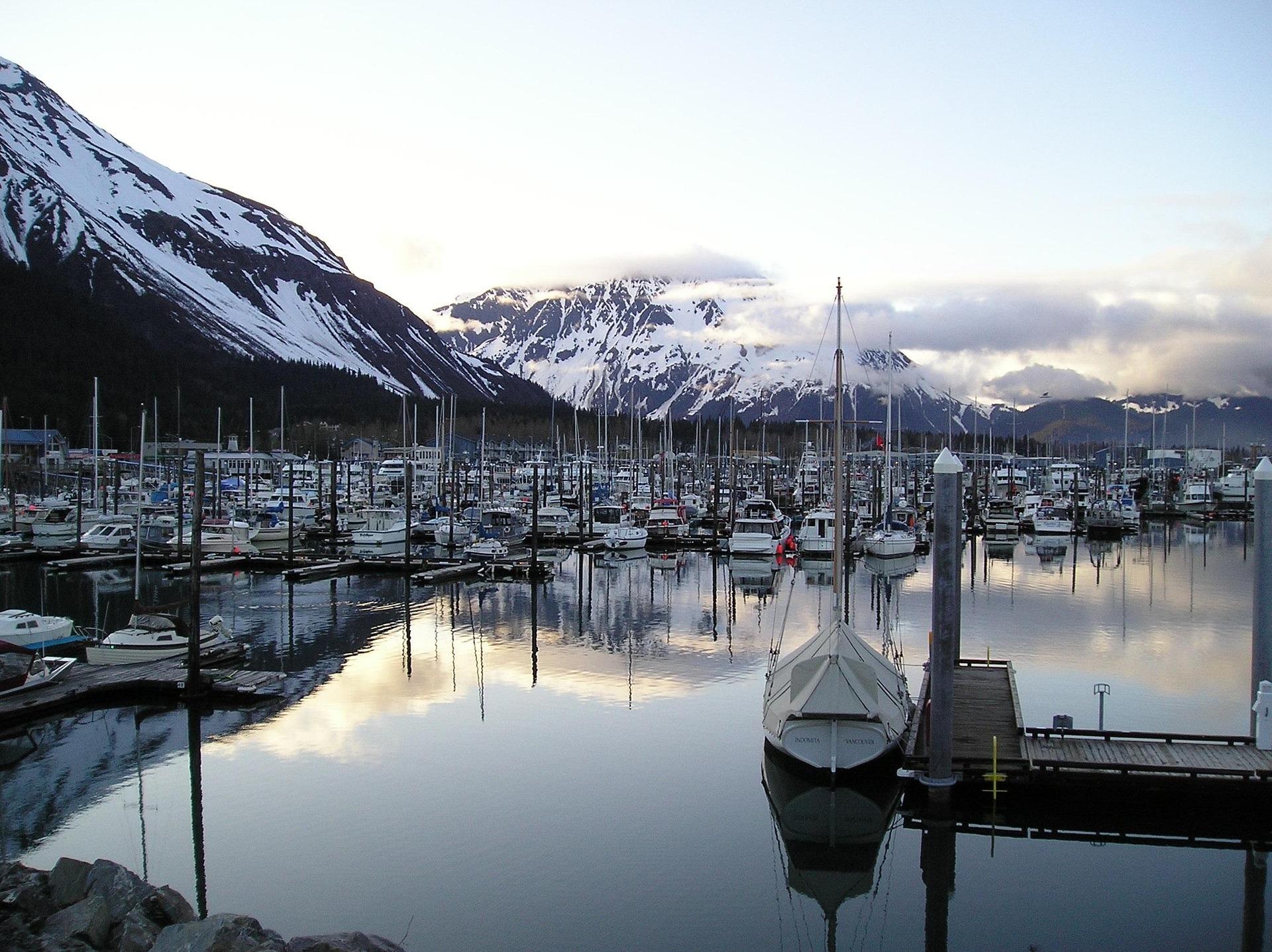
Alaska cruises operate very differently from tropical routes. Instead of focusing on historic towns or city centres, the main attraction is the landscape itself. Ships travel through long coastal passages where forests, glaciers, and mountain ridges dominate the view.
One of the most common stops is Juneau, the state capital, where ships dock along the waterfront near South Franklin Street. The street runs parallel to the harbour and leads toward the small historic district, where wooden storefronts date back to the mining era. A short drive from town brings visitors to Mendenhall Glacier, where walking trails around Mendenhall Lake offer a clear view of the ice face and surrounding forest. Further north, Skagway presents a slightly different experience. Broadway Street forms the centre of the historic district, and many of the wooden buildings were constructed during the Klondike Gold Rush.
Wildlife sightings often happen between ports rather than at them. Humpback whales are frequently spotted in the Inside Passage, while sea otters and bald eagles appear near sheltered bays. Ships sailing through Glacier Bay National Park slow down considerably, giving passengers time to observe massive ice formations breaking away from the tidewater glaciers.
Majestic Fjord Expeditions Departing from UK Ports
Cruises to the Norwegian fjords have become increasingly popular for travellers departing from the UK. The reason is simple: passengers can board in ports such as Southampton, Newcastle, or Dover and reach the dramatic landscapes of western Norway within a couple of days at sea.
One of the most visited fjord towns is Bergen. Ships dock near the Vågen harbour area, just beside the historic Bryggen waterfront. The colourful wooden buildings line the harbourfront, and narrow passages between them lead toward small workshops and galleries. A short walk inland brings travellers to the Fish Market, while the Fløibanen funicular climbs toward Mount Fløyen for wide views over the city and surrounding fjords.
Geiranger provides an entirely different setting. Cruise ships enter the narrow Geirangerfjord early in the morning, passing waterfalls such as the Seven Sisters before reaching the small harbour village. From the dock, visitors usually follow the road past the Norwegian Fjord Centre before heading toward the Flydalsjuvet viewpoint, which overlooks the entire fjord.
Iconic River Cruises Through the Heart of Europe
River cruises offer a completely different experience compared with ocean voyages. Instead of large ports, ships stop in smaller towns along historic waterways, often docking within walking distance of medieval centres and public squares. The Danube remains one of the most popular routes. Ships arriving in Budapest typically dock near the Pest riverbank, close to the Chain Bridge. From there, travellers often walk along the Danube Promenade toward the Hungarian Parliament Building before heading inland along Váci Street toward the Central Market Hall.
Further west, Vienna’s cruise docks connect easily to the historic centre by tram or underground. Many visitors begin at Stephansplatz, where St. Stephen’s Cathedral rises above the surrounding streets. Walking along Graben Street eventually leads toward the Hofburg Palace complex, while the nearby Naschmarkt stretches along a long avenue lined with food stalls and produce vendors.
The Rhine offers another classic river route. In Cologne, ships dock near the Altstadt district, placing travellers close to the Cologne Cathedral and the narrow streets around Alter Markt square. Further south, river vessels reach towns such as Rüdesheim, where passengers walk along Drosselgasse, a small lane that cuts through the old town and leads toward the Rhine waterfront.
Which horizon will you sail toward first?
Cruise travel works best when the destinations themselves are varied and easy to explore once the ship docks. Caribbean itineraries bring travellers straight into island capitals within minutes of stepping ashore.
Mediterranean routes connect historic coastal cities where ports sit close to old town centres. Alaska offers a completely different experience, with glaciers and wildlife often visible from the deck as ships move through the Inside Passage. Norwegian fjord sailings reveal steep valleys and small harbour towns only a few days from UK departure ports, while European river cruises glide directly through historic cities built along the Danube and Rhine. For travellers who enjoy seeing several regions in one journey, these routes make it surprisingly easy to experience very different landscapes and cultures within a single trip.