
London can absolutely work as a short-break destination, but only if you plan smartly. With two days, it helps to group neighbourhoods logically so you can walk between highlights or take the Tube without losing time. Build your schedule around meals, key sights, and room for the unexpected, whether that is a pop-up market, a quirky shop, or simply a moment to soak in the city.
This guide focuses on areas that pair well together, local favourites worth visiting, and routes that make sense on foot or by public transport. With a bit of planning, a 48-hour break can feel full without being rushed, and you will leave feeling like you have genuinely experienced London rather than just ticked off a checklist.
A Culinary Journey Through the Historic Heart of London
London’s historic centre is compact, easy to walk, and full of reliable places to eat without weeks of planning. Areas around Covent Garden, Soho, and Bloomsbury are ideal for a first afternoon, especially after a morning arrival. Coffee shops open early, bakeries sell out fast, and lunch options range from cosy cafés to long-standing pubs with menus you can trust. Notable spots include the Apple Market in Covent Garden, Leicester Square, and the historic pubs along Charing Cross Road.
Evenings are flexible. Many restaurants accept walk-ins or last-minute bookings, particularly midweek or earlier in the evening. After dinner, a stroll past Trafalgar Square or along the Strand is a great way to end the day, and centrally located hotels make it easy to return after sightseeing. Travellers can easily find the perfect dinner and bed and breakfast deals in London, making your stay memorable and stress-free.
Royal Parks and Architectural Splendour in Westminster
Westminster is ideal for the second morning of a short trip, once you have your bearings in the city. Start in St James’s Park, which opens early and offers a peaceful introduction to central London. The park is flat, well-maintained, and easy to walk through, with opportunities to spot pelicans near the central lake and admire views of Buckingham Palace framed by greenery.
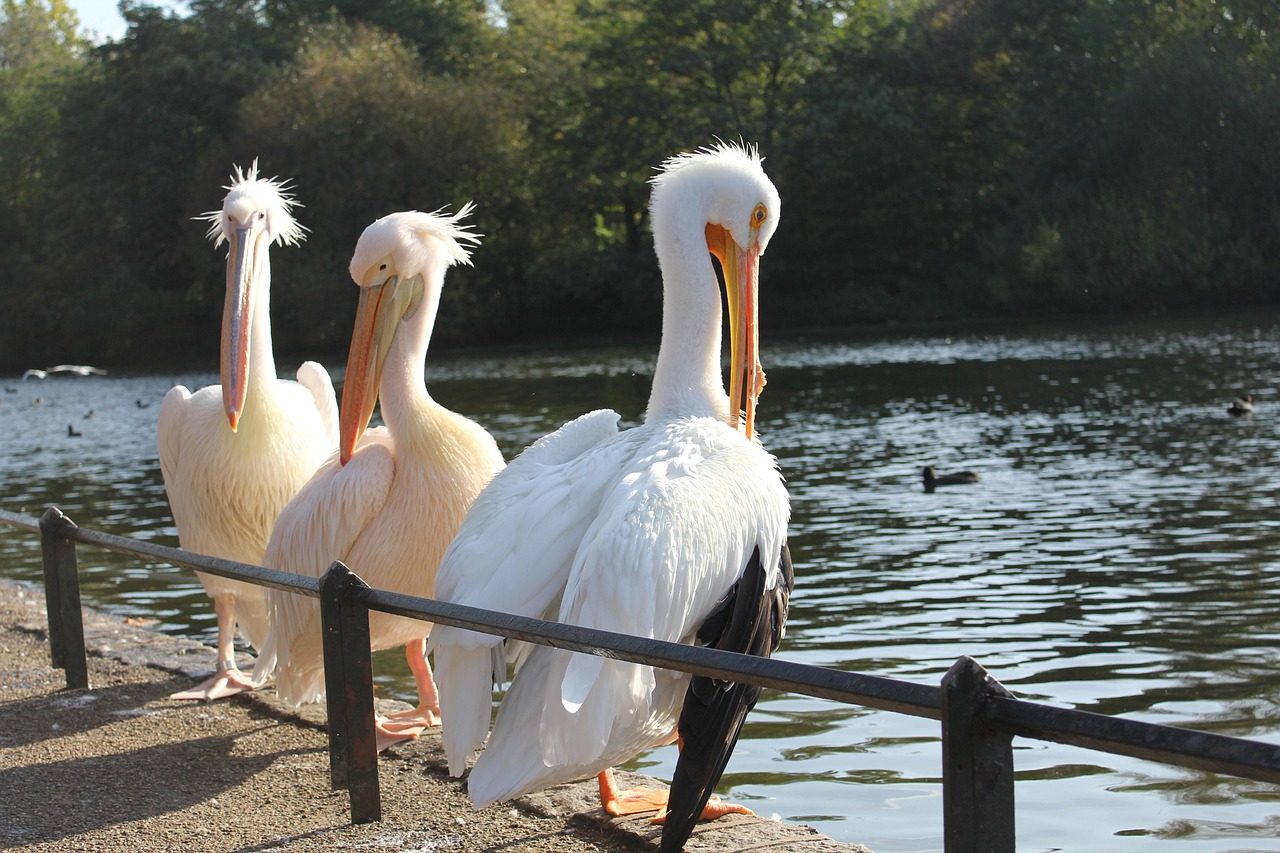
Image by rosanna17 on Pixabay
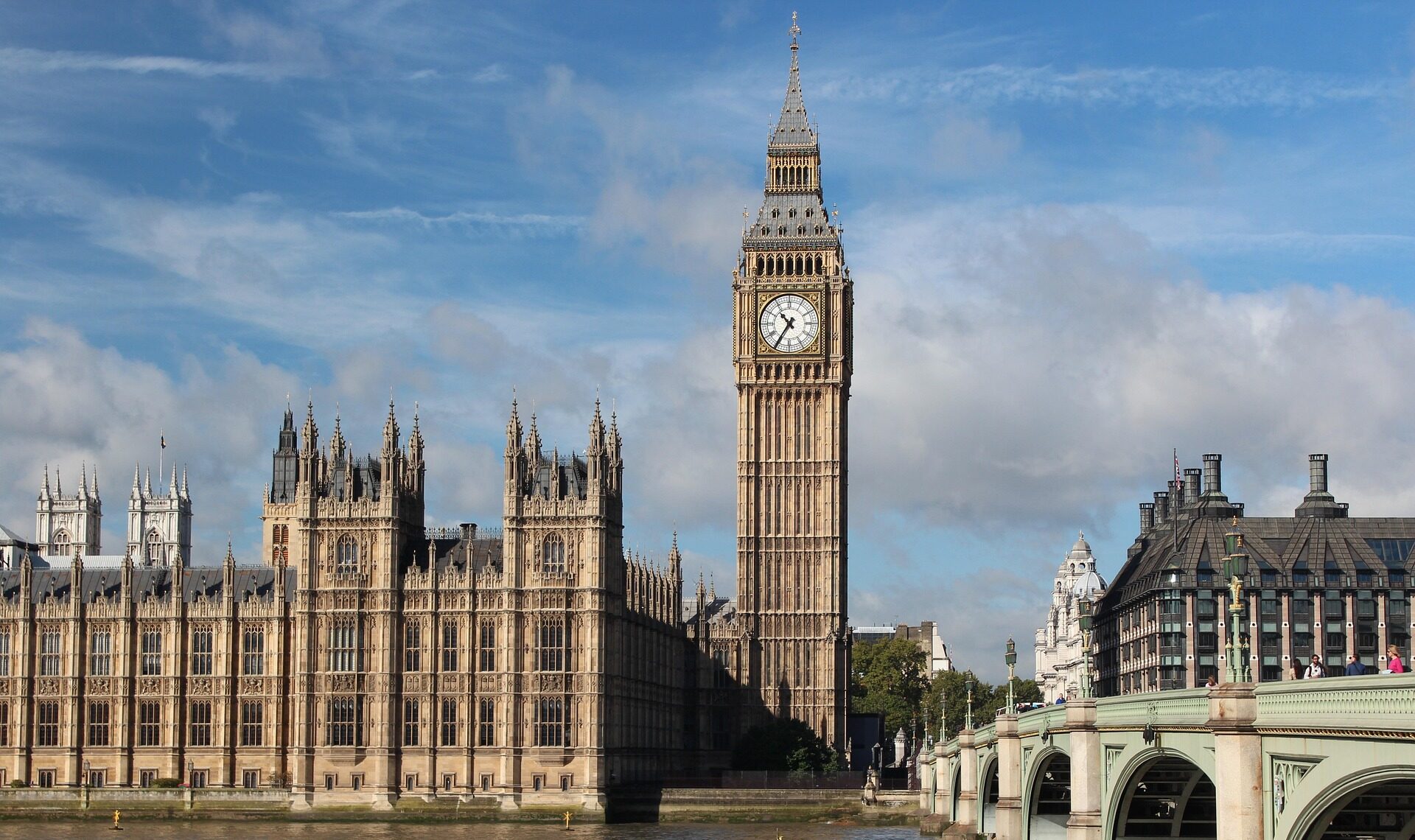
From St James’s Park, landmarks are close together. Buckingham Palace is one end of the walk, while Westminster Abbey anchors the other. The Houses of Parliament and Big Ben are best appreciated from across the River Thames, though strolling past gives a stronger sense of their scale. Entry queues for Westminster Abbey or the Palace can be long, so it is often more practical to admire the exteriors on a short visit and save interior tours for a longer stay.
For lunch, cafés in the immediate area tend to be functional, so consider walking a short distance to nearby spots in Victoria Street or along Whitehall, where you can find both traditional pubs and independent cafés that offer a more memorable meal.
Skyline Views and Riverside Charm Along the South Bank
Crossing the Thames brings you to the South Bank, a lively area popular with both tourists and locals. The stretch between Westminster Bridge and Tower Bridge can be explored in sections, making it easy to stop at key sights along the way.
Highlights include the London Eye, the Southbank Centre, Gabriel’s Wharf, and the Tate Modern. While the London Eye draws crowds, walking along the river and taking in the views from ground level still provides a strong sense of the area and its architecture.
This approach allows visitors to enjoy the South Bank at their own pace, with the flexibility to pause at street performers, riverside cafés, or cultural attractions without feeling pressured to cover the whole stretch in one go.
Further along the South Bank, Tate Modern provides a convenient stop, even if you do not plan to spend hours inside. The Turbine Hall is free to enter and offers a spacious area to explore or take a break. For food, consider visiting Borough Market, where stalls sell everything from artisan cheese to fresh oysters, or walk slightly inland to traditional pubs along Bankside or Southwark for a classic London meal.
Artistic Exploration and Eclectic Style in Shoreditch
Shoreditch is best explored on the second afternoon, once you have covered central London. The neighbourhood combines a polished, creative energy with the artsy, street-art atmosphere that has made it famous. Streets around Brick Lane and Spitalfields are ideal for walking without a fixed route. Along the way, you can browse vintage shops for items like classic Burberry or worn-in leather jackets, stop at cafés that have replaced old workshops, and spot street art that changes regularly.

Image by khfalk on Pixabay
For lunch, grab a pizza or other casual bites along the high street, with multiple options to choose from. In the summer months, the gardens at Shoreditch Church are a popular spot for locals and visitors to meet and relax. Markets and pop-ups operate on a flexible schedule, with weekends busier.
Boxpark Shoreditch offers a variety of food stalls, making it easy for groups to pick different dishes without waiting. In the evening, bars and pubs provide plenty of opportunities for people watching, and the area works well for a relaxed, flexible contrast to the rest of the weekend.
West End Wonders: High-End Shopping and Theatreland Glitz
The West End is perfect for the final evening of a short trip, when walking distances should be minimal and comfort matters. Regent Street and Carnaby Street are busy but easy to navigate, with shops open late and well-lit pavements. Even if shopping is not your focus, the area is worth exploring for its architecture, window displays, and energy.
Theatreland, centred around Leicester Square, offers a wide range of shows, and last-minute tickets are often available for midweek performances. It is practical to plan dinner either before or after a show to avoid peak intervals, with pubs and late-opening cafés nearby providing convenient options. The area is well served by public transport, with buses and the Tube running late, making it easy to return to your hotel.
Ready to see the best of London in just one weekend?
A weekend in London works best when you focus on a few key boroughs rather than trying to see everything. Plan your days around areas that are easy to explore on foot or by public transport, leaving space for meals, spontaneous stops, and cultural highlights. Central boroughs are ideal for the first day, riverside routes along the Thames provide a slower pace, and places like Shoreditch or the West End add variety without overcomplicating your route.
Choosing a convenient hotel, grouping nearby attractions, and allowing time between plans helps the weekend feel relaxed and achievable. Visitors leave with a clearer sense of the city, a few favourite spots discovered along the way, and often a list of places to return to on the next trip.
Feature image by Mary_R_Smith on Pixabay