
AI-Powered Respiratory Diagnostic Device Secures £14.2m Funding
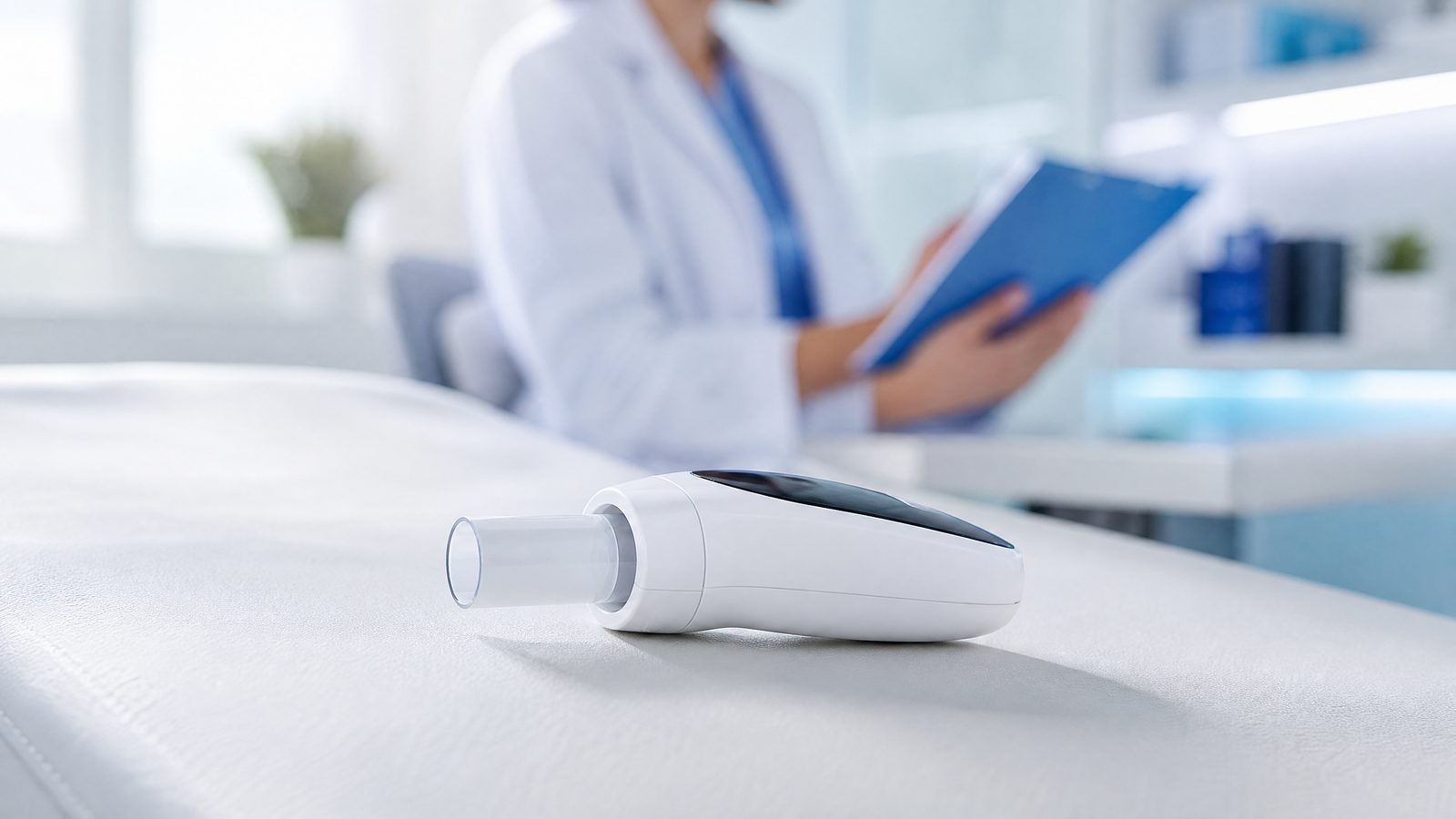
A Cambridge-based health technology company has secured £14.2m ($19m) in funding to accelerate the commercial expansion of its artificial intelligence-powered respiratory diagnostic device. TidalSense, founded in 2013, has developed N-Tidal Diagnose, a handheld device designed to detect chronic obstructive pulmonary disease (COPD) more efficiently than traditional methods.
The investment round was supported by Cross-Border Impact Ventures, a North American health technology impact fund, alongside returning investors BGF, Airstream Capital, and Foresight Group. The funding will be used to scale commercial operations across the UK, Ireland, and Europe, prepare for entry into the US market, and expand the company’s diagnostic pipeline to include asthma.
Modernising Respiratory Diagnostics
COPD is a significant health challenge, affecting an estimated 1.9 million people in the UK and standing as one of the leading causes of death. Traditional diagnosis relies on spirometry, a test developed in the 1840s that requires forceful exhalation and specialist administration, often taking up to an hour per patient. In contrast, the N-Tidal device requires patients to breathe normally into a handheld sensor for just 75 seconds.
The device captures carbon dioxide waveforms, which are then analysed by AI models trained on more than 2.5 million breaths. This streamlined process enables clinicians to assess four to six patients an hour, significantly increasing diagnostic capacity. The technology received its CE mark under EU Medical Device Regulations in March 2025 and has since been deployed across primary care and community clinics in England, Wales, and Scotland.
Dr Ameera Patel, chief executive of TidalSense, highlighted the historical neglect of respiratory diseases compared to other major health conditions. “We’re still diagnosing in the 21st century with a test invented in the 1800s, and one that needs specialist equipment and training most of the world doesn’t have access to,” she stated. The company aims to close this gap, starting within the NHS.
Addressing the Diagnostic Backlog
The need for improved diagnostic tools is pressing. More than 600,000 people in the UK are currently living with undiagnosed COPD, and over half of NHS regions lack the spirometry capacity to meet demand. The condition is the second-leading cause of emergency hospital admissions in the UK, placing a substantial burden on healthcare resources.
The NHS has identified respiratory disease as a clinical priority, aiming to improve outcomes and reduce health inequalities. The introduction of rapid, point-of-care diagnostic devices like N-Tidal could play a crucial role in addressing the current backlog and ensuring patients receive timely and appropriate treatment.
Investors have noted the potential impact of the technology. Donna Parr, managing partner at Cross-Border Impact Ventures, emphasised the importance of clinical evidence and real-world application. “It is also technology that can improve access to appropriate treatment for COPD sufferers on a global basis and especially for women who are often misdiagnosed,” she said.
Broader Implications for Medical Technology
The successful funding round for TidalSense reflects a growing interest in point-of-care diagnostics and AI-driven healthcare solutions. As healthcare systems seek to improve efficiency and patient outcomes, innovations that reduce reliance on specialist equipment and lengthy procedures are becoming increasingly valuable.
For medical device engineers and developers, the focus is shifting towards creating accessible, user-friendly tools that can be easily integrated into primary care settings. This trend is evident across various sectors, from respiratory health to medical device engineering strategies, where precision and reliability are paramount.
As TidalSense prepares to expand its operations and develop new diagnostic capabilities, the company’s progress will be closely watched by healthcare professionals and industry observers alike. The integration of AI into routine diagnostics represents a significant step forward in the management of chronic respiratory conditions, offering hope for faster, more accurate diagnoses for millions of patients worldwide.