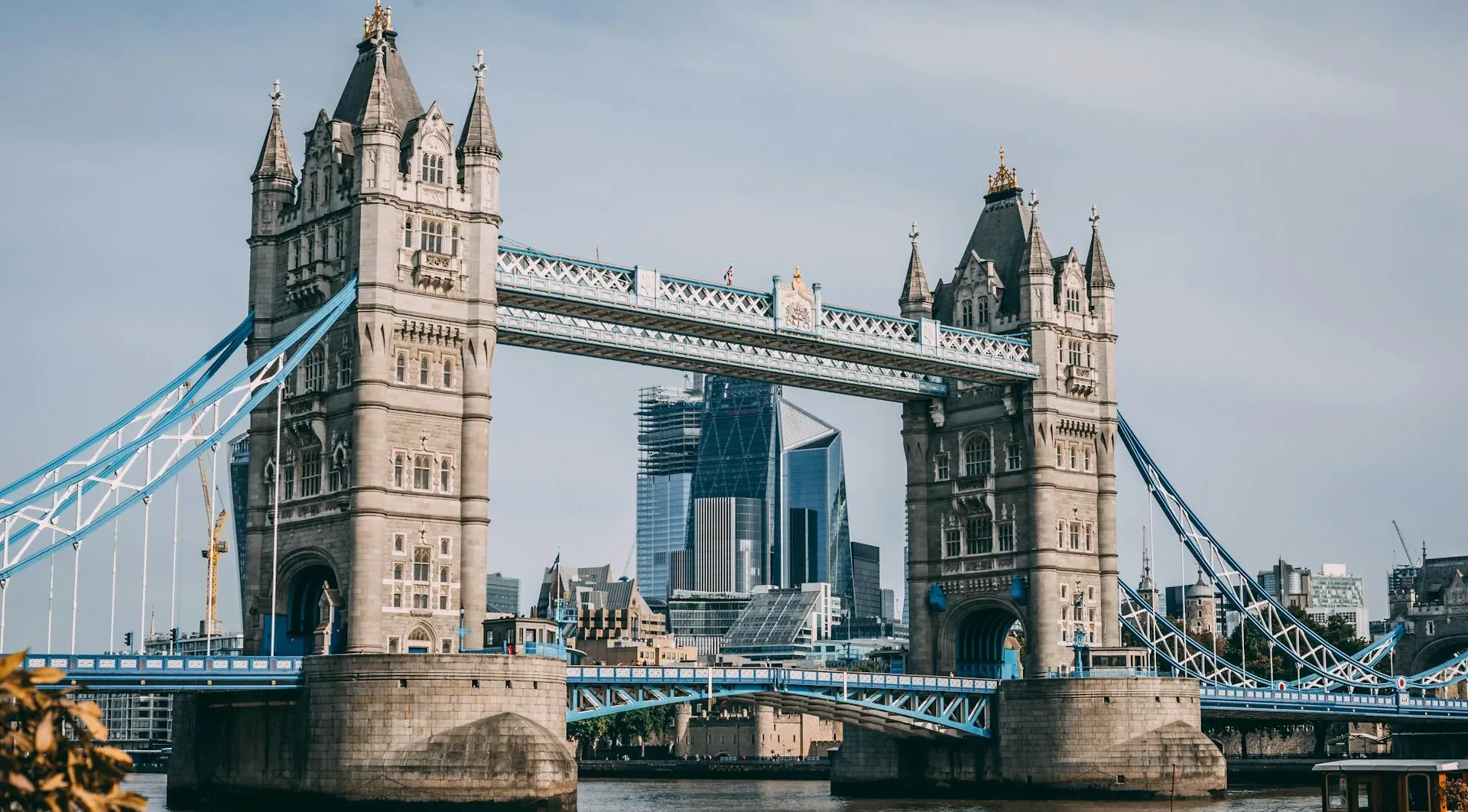

Navigating the London Congestion Charge can be a challenge for drivers in Central London. As traffic congestion and air pollution continue to affect the city, understanding how to manage these charges becomes essential for smoother travel. Implementing effective strategies can lead to significant savings and a less stressful driving experience.
Many drivers are often unaware of the specific zones and times when the congestion charge applies, leading to unnecessary fines. By staying informed about the Transport for London (TfL) regulations and utilising available resources, they can avoid common pitfalls. Strategic planning for routes and timing can also help minimise costs. If you’ve found yourself with a traffic fine, take a look at your chances of getting speeding ticket dismissed here.
In addition, embracing alternative transportation options can alleviate the financial burden of driving in congestion zones. With various public transport methods available, residents and visitors alike can choose more eco-friendly and economical ways to traverse the city while contributing to reducing air pollution. Be sure to look at the differences in beam vs hybrid wipers to see which will best suit your car.
Understanding the Congestion Charge
The London Congestion Charge aims to reduce traffic congestion in the city. Key aspects include the defined zone, operational hours, and various payment methods.
Defining the Congestion Charge Zone
The Congestion Charge Zone encompasses various central London areas. It extends from the north, around Kings Cross and Bloomsbury, to the south, including parts of Southwark. Each vehicle entering this zone during active charge hours incurs a fee. The boundaries are marked with clear signage, and drivers should familiarise themselves with the zone to avoid fines. The charge contributes to improved air quality and reduced traffic.
Operating Hours and Charges
The congestion charge operates from 07:00 to 22:00, Monday to Friday. On weekends, the hours are reduced to 12:00 to 18:00 on Saturdays and Sundays. The current daily charge is £15, which applies to any vehicle driving within the zone during these hours. Drivers must ensure they pay by midnight on the same day to avoid additional penalties. Failure to pay can result in fines and further action.
Payment Options and Auto Pay
Several payment options are available for the congestion charge. Drivers can pay online via the TfL website, through the TfL app, by phone, or at retail outlets. Auto Pay is a convenient option that automatically charges users for each entry into the congestion zone, reducing the likelihood of missed payments. This option also offers a discount on the daily charge. All transactions are recorded in the user’s payment history, allowing for easy tracking of expenses. Vehicles are monitored using Automatic Number Plate Recognition, ensuring accurate enforcement.
Navigating Discounts, Exemptions, and Penalties
Understanding the available discounts, exemptions, and potential penalties related to the London congestion charges is essential for drivers. This section details eligibility criteria for discounts, how to manage Penalty Charge Notices, and alternative modes of transportation.
Eligibility for Discounts and Exemptions
Several discounts and exemptions are available to help reduce costs associated with congestion charges. Key categories include:
- Residents’ Discount: This applies to permanent residents living within the congestion charge zone, allowing them to receive a significant reduction.
- Blue Badge Holders: Individuals with a Blue Badge are typically eligible for a 100% exemption, benefiting those with disabilities.
- Cleaner Vehicle Discounts: Vehicles that meet specific emission standards, such as zero-emission models and hydrogen fuel cell vehicles, may qualify for this option.
- Public Transport: For those who utilise London’s public transport, they can benefit from the savings in congestion costs by choosing alternatives such as buses or trains.
Staying updated on eligibility criteria is crucial as they can shift over time, influenced by changes in environmental policies.
Penalty Charge Notices (PCN)
If a vehicle is driven in a congestion zone without payment, the owner may receive a Penalty Charge Notice (PCN). The fine usually starts at £160 but can be reduced by 50% if paid within two weeks.
PCNs can be challenged under certain conditions, such as technical errors in charging cameras or genuine mistakes related to payments. It is vital for drivers to maintain proper records, including payment confirmations. Ignoring a PCN can lead to escalated fines and enforcement actions.
To prevent receiving a PCN, individuals should ensure they pay the congestion charge ahead of time or consider exemptions for which they might be eligible.
Alternative Transport and Environmental Impact
Exploring alternative transport options can significantly alleviate congestion charge costs and contribute to better air quality. Walking, cycling, and using public transport offer viable alternatives to driving in heavily trafficked areas.
- Walking and Cycling: Both activities not only avoid congestion charges but also promote a healthier lifestyle. London has invested in expanding cycling infrastructure to encourage these modes.
- Public Transport: Utilising buses, trains, and the Underground can eliminate congestion fees while supporting the city’s air quality goals.
Encouraging environmentally friendly transportation alternatives helps reduce pollution and congestion, contributing to a sustainable urban environment.