
Achieving a professional finish when painting your home is about more than simply applying a fresh coat of colour. The difference between an average result and a flawless one often comes down to preparation, technique, and attention to detail. Whether you are updating a single room or redecorating your entire property, taking the right approach can transform the final outcome.
With the right methods and a bit of patience, it is possible to achieve a smooth, long-lasting finish that enhances the look and feel of your space.
Preparing the Surface Properly
Preparation is one of the most important steps in any painting project. Skipping or rushing this stage can lead to uneven results, peeling paint, or visible imperfections.
Start by cleaning the walls to remove dust, grease, or any residue that may prevent the paint from adhering properly. Filling in cracks, holes, or dents with a suitable filler will create a smooth surface, while sanding ensures an even base for painting.
If the existing paint is flaking or damaged, it should be removed before applying a new coat. Using a primer is also highly recommended, especially on new surfaces or when making a significant colour change. A good primer improves adhesion and helps achieve a consistent finish.
Choosing the Right Tools and Materials
The quality of your tools can have a noticeable impact on the final result. Investing in good-quality brushes and rollers ensures better paint application and reduces the likelihood of streaks or uneven coverage.
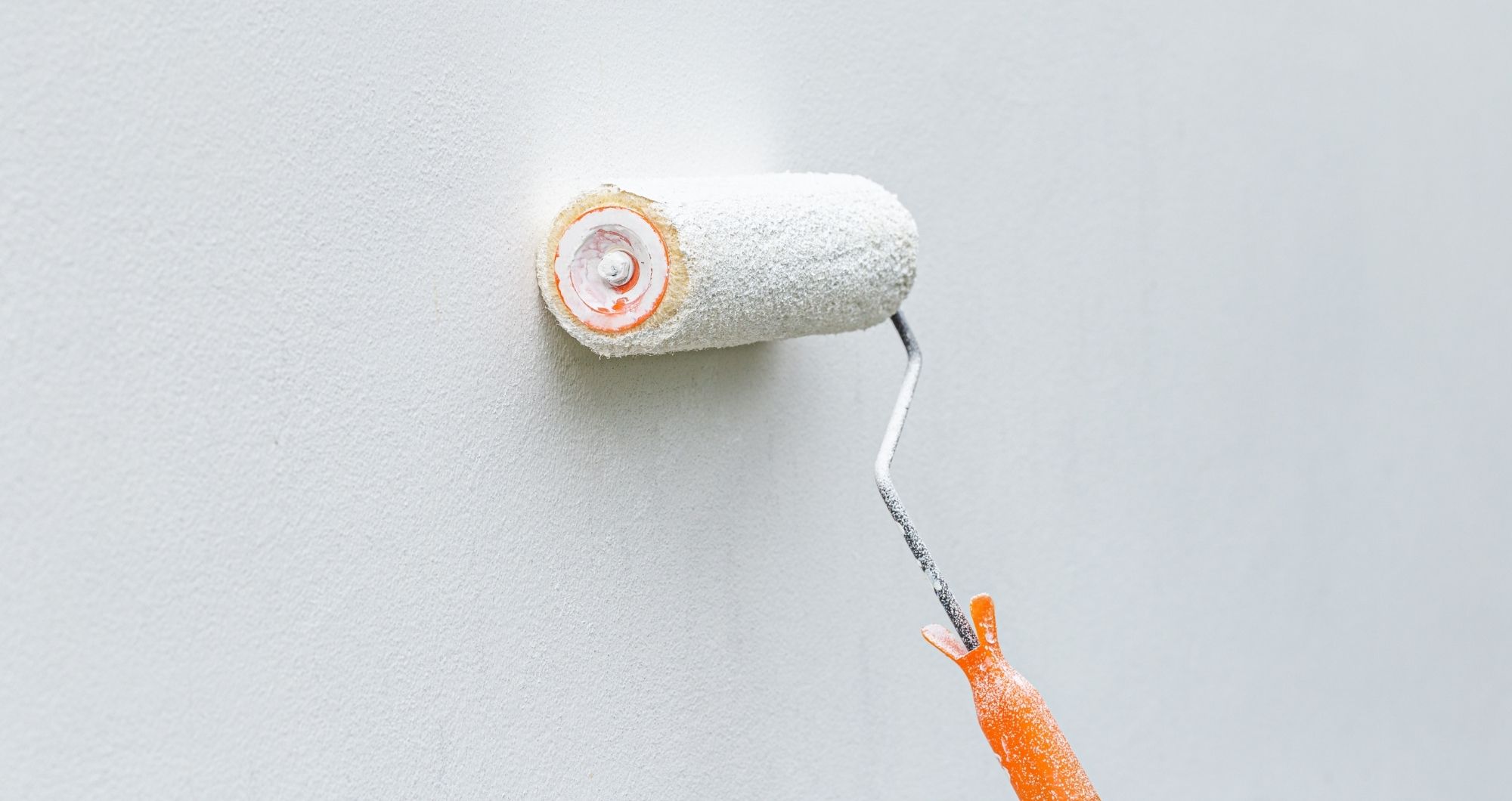
Different surfaces may require different types of tools. For example, a roller is ideal for large wall areas, while brushes are better suited for edges, corners, and detailed work. Selecting the right paint finish is equally important, as it affects both appearance and durability.
Matte finishes can help hide imperfections, while satin or gloss finishes are more durable and easier to clean, making them suitable for high-traffic areas.
Applying Paint with the Right Technique
Using the correct painting technique is essential for achieving a professional look. Applying paint evenly and avoiding overloading the brush or roller helps prevent drips and streaks.
It is best to work in sections, maintaining a wet edge to avoid visible lines where the paint overlaps. Multiple thin coats are generally more effective than one thick coat, as they provide better coverage and a smoother finish.
Allowing each coat to dry fully before applying the next is crucial. Rushing this process can result in uneven textures and reduce the overall quality of the finish.
Paying Attention to Edges and Details
Clean edges and precise lines are what truly set a professional paint job apart. Using painter’s tape can help create sharp lines around ceilings, skirting boards, and fixtures.
Taking the time to carefully cut in around edges with a brush ensures a neat and polished look. Removing tape at the right time, usually before the paint is fully dry, helps prevent peeling and maintains clean lines.
Attention to detail is particularly important in areas where different colours meet, as this is where imperfections are most noticeable.
Managing Lighting and Colour Choices
Lighting can significantly affect how paint colours appear in a room. Natural and artificial light can alter the tone and intensity of a colour, so it is important to test samples before committing to a final choice.
Applying small patches of paint and observing them at different times of the day can help you select a colour that works well in your space. This ensures that the final result matches your expectations and complements the overall design of your home.
Choosing the right colour scheme can also enhance the sense of space, making rooms feel larger, brighter, or more inviting.
Keeping the Workspace Organised
Maintaining a clean and organised workspace can make the painting process more efficient and enjoyable. Protecting floors, furniture, and fixtures with dust sheets or covers helps prevent accidental damage.
Keeping tools clean and storing paint properly between coats ensures consistent results. Taking the time to organise your materials can also reduce interruptions and help you maintain focus throughout the project.
A well-managed workspace contributes to a smoother process and a more professional outcome.
Knowing When to Seek Professional Help
While many painting projects can be completed independently, some situations benefit from professional expertise. Large-scale projects, intricate designs, or challenging surfaces may require specialised skills and equipment.
For those looking to achieve a high-quality finish without the stress, working with experienced professionals in Painting and Decorating London can ensure that every detail is handled with precision. Their knowledge and experience can help deliver a result that meets both aesthetic and practical expectations.
Maintaining Your Painted Surfaces
Once the painting is complete, proper maintenance helps preserve the finish for years to come. Regular cleaning, using appropriate products, can keep walls looking fresh and prevent the build-up of dirt and marks.
Addressing minor issues, such as chips or scuffs, as they arise can prevent further damage and maintain the overall appearance of the space. High-quality paint and careful application will also contribute to a longer-lasting result.
Final Thoughts
Achieving a professional finish when painting requires careful preparation, the right tools, and attention to detail. By following proven techniques and taking the time to complete each step properly, you can create a result that enhances your home and stands the test of time.
Whether you choose to take on the project yourself or seek professional assistance, focusing on quality and precision will ensure that your painted surfaces look their best. A well-executed paint job not only improves aesthetics but also adds value and comfort to your living space.