
New research from vehicle specialists LeaseCar reveals a growing shift away from traditional car ownership towards fixed-cost personal leasing as living costs continue to pressure household budgets. The research, from August 2026, highlights why consumers should look beyond initial headline finance deals, advising drivers to calculate the true monthly cost of running a vehicle before committing to a new car.
While most motorists expect a new car to drop in value, the research found that standard models lose 20% to 30% in their first 12 months alone, with total depreciation reaching up to 60% by year three. For drivers considering whether to keep or move on from a depreciating vehicle, many choose to sell your car to avoid further losses. On a £30,000 vehicle, that represents a heavy £15,000 to £18,000 hit to personal finances. Unlike traditional purchasing options like outright buying, Hire Purchase or Personal Contract Purchase that force drivers to fund the vehicle’s full retail price and absorb these losses, Personal Contract Hire targets only the predicted depreciation over the term.https://www.motormoolah.com/sell-your-car
Drivers are Switching to Leased Vehicles to Budget Monthly Outgoings
In response to these depreciation losses, the UK vehicle leasing sector has experienced unprecedented acceleration. Total vehicle leasing volumes across the country have now crossed the 2.05 million milestone in Q1 of 2026, up 7% from Q1 2025, highlighting the general transition towards fixed-cost personal contract hire as households prioritise budget certainty over other factors.
Labour Costs and New Technology are Driving Up Owned Vehicle Repairs
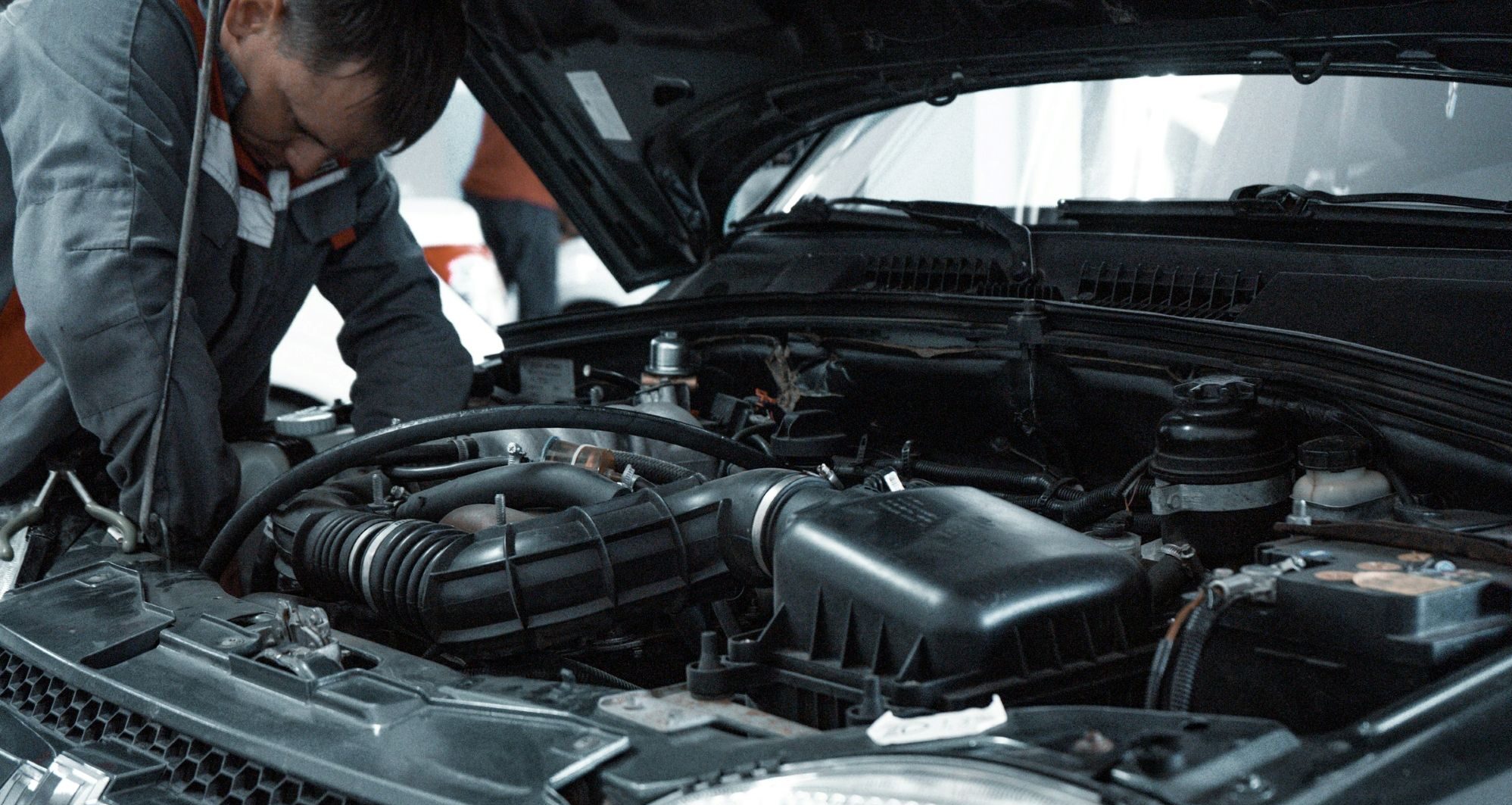
Beyond steep depreciation, the rising cost of post-warranty repairs is hitting motorists hard. Figures from the Association of British Insurers show motor insurance repair payouts hit £3.2 billion in just three months, with average accidental damage claims jumping 7% in one year to £3,699. Analysts attribute the surge to soaring parts prices, higher workshop labour rates and increasingly complex vehicle electronics as cars become more technically advanced.
The research found that Advanced Driver Assistance Systems (ADAS), electronic sensors and modern engine technology have significantly extended standard garage repair times and pushed component replacement costs to record highs, making it more costly to own a new vehicle in recent years than it previously was.
It appears the soaring cost of keeping an older vehicle on the road is also changing the argument for new car leasing, leading more to opt for newer cars as they prioritise costs. With out-of-warranty maintenance now averaging £820 to £860 annually and 65% of drivers facing unaffordable £650 repair bills, older cars are no longer the budget-friendly alternative they once were.
Fixed-cost leasing replaces that uncertainty with a factory-new vehicle under warranty. Drivers can roll servicing, MOTs, tyres and mechanical wear into one fixed monthly payment via maintenance packages, providing total insulation against the sudden expenses of aging car ownership.
“Focusing strictly on low finance rates for purchased vehicles misses the bigger picture of what a vehicle actually costs each month,” says Tim Alcock, Director at LeaseCar. “Purchasing a car outright means paying for its total value while taking a potential 60% on depreciation over three years, alongside surprise garage bills and maintenance costs.”
“Leasing can offer a smarter alternative by charging only for the car’s usage over the term. When paired with a comprehensive maintenance package that covers servicing, wear and tear and tyres, drivers can fix their entire monthly motoring costs. It provides total transparency at a time when living costs remain high and can allow consumers to budget monthly costs better. As vehicle technology advances, consumer demand is shifting toward driving brand-new, safer models on regular two- to four-year cycles without taking on resale risk or heavy upkeep costs.”