
India can feel overwhelming on a first visit. It’s big, loud, crowded, and endlessly varied, often all within the same day. That’s exactly why choosing the right places matters. Some destinations ease travellers in, offering context, comfort, and a sense of how the country works without demanding too much too soon. Others throw you straight into the deep end in a way that’s challenging but memorable for the right reasons.
This guide focuses on places that work well for first-time travellers, not because they’re polished or simplified, but because they help explain India in the best way possible. Each destination has something distinct, whether it’s history, daily life, food, or landscape, and together they give a grounded, realistic introduction to the country.
Agra and the Taj Mahal
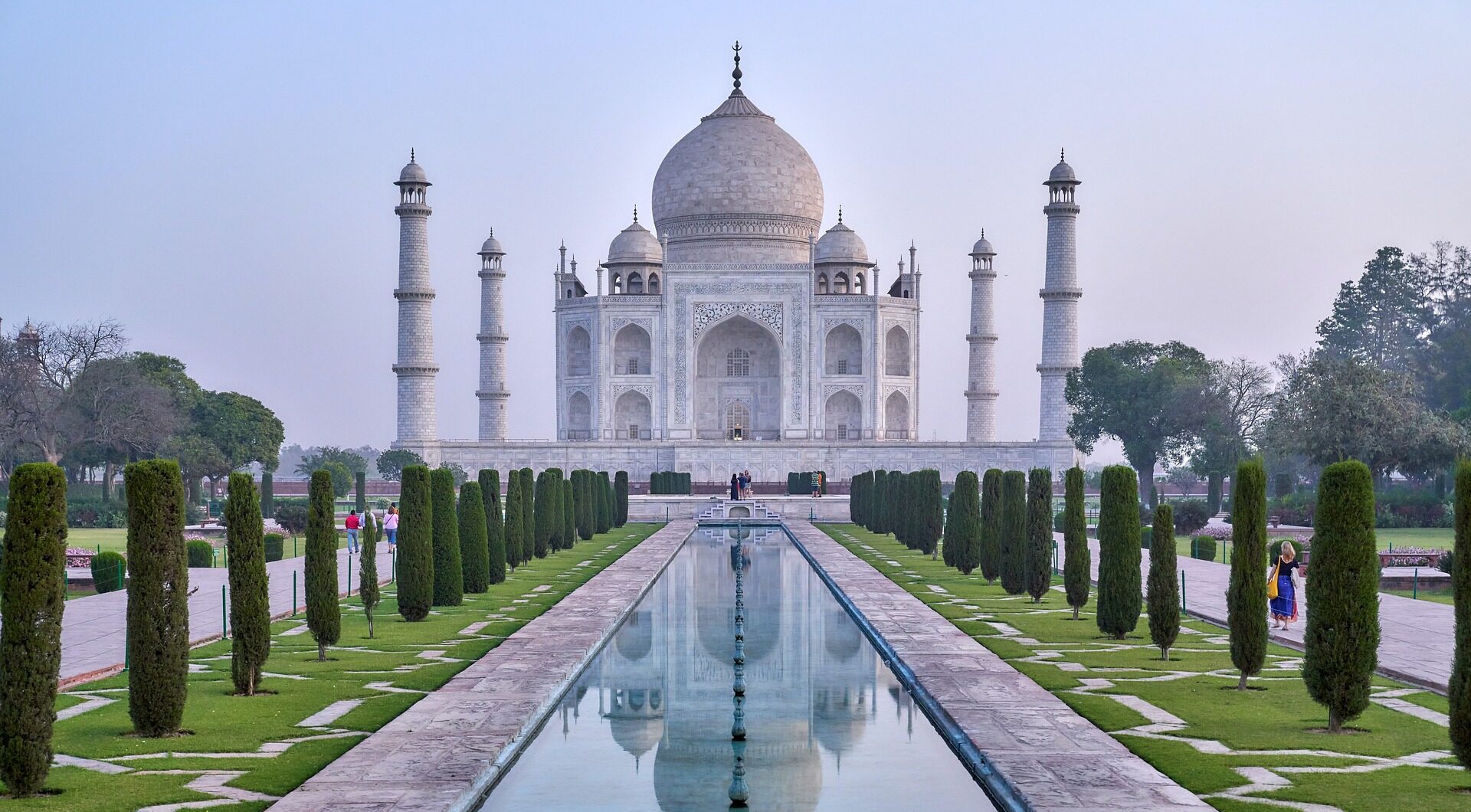
Agra is often treated as a quick stop, but first-time travellers usually get more out of it by slowing down. The Taj Mahal is the obvious reason to come, and it does live up to expectations, especially early in the morning before the crowds fully arrive. Visiting at sunrise makes a real difference. Security is tight, entry is well organised, and guides are easy to find if you want historical context without committing to a long tour.
Beyond the Taj, Agra Fort is worth the time. It’s not just another fort; it helps explain Mughal power and daily life in a way that feels tangible. From its walls, there are clear views back towards the Taj, which adds a useful perspective rather than just another photo opportunity. The Itimad-ud-Daulah tomb, often skipped, is quieter and gives a sense of how Mughal architecture evolved.
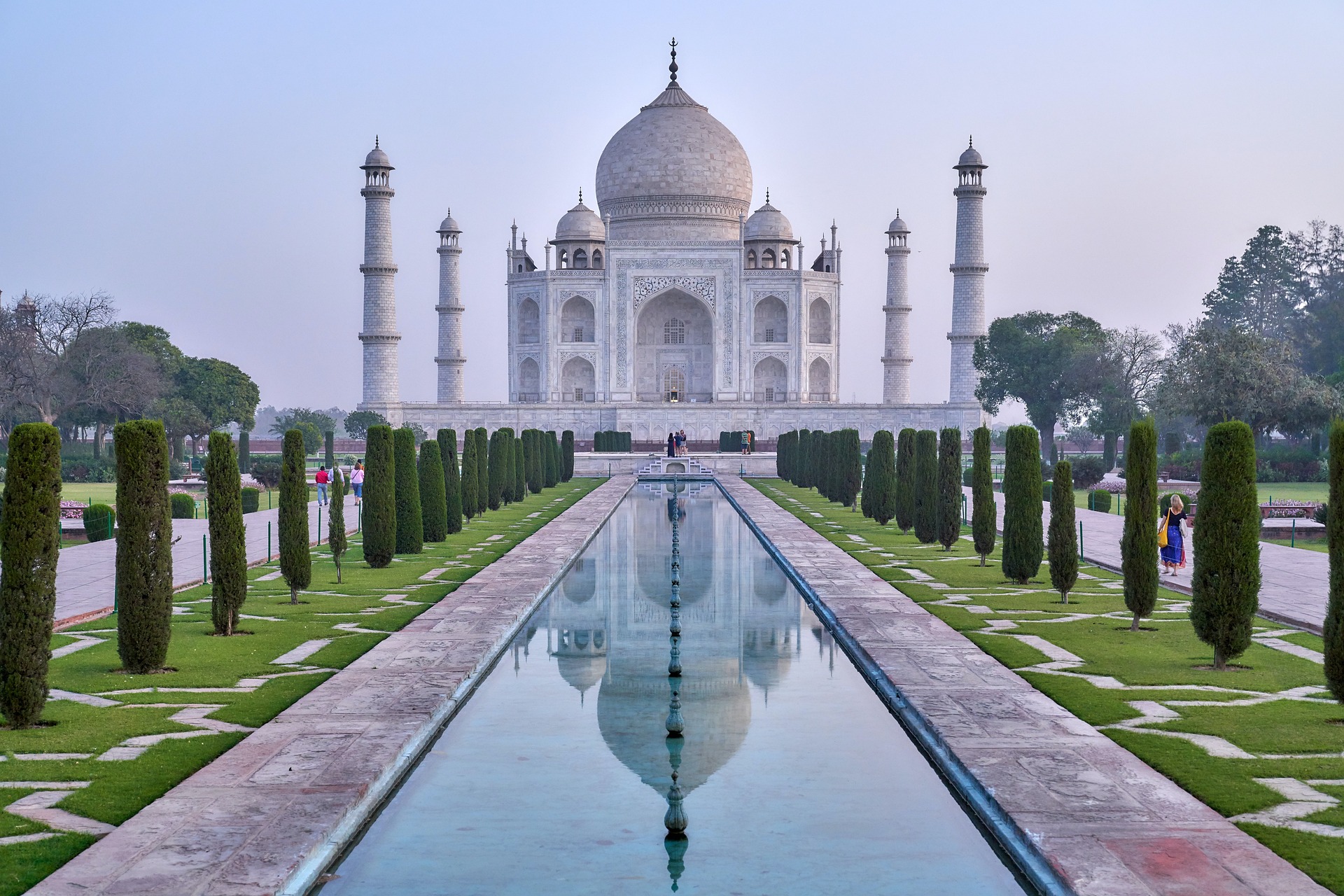
Image by yosratawakol on Pixabay
Luxury holidays in India are often easiest to enjoy from Agra, which makes a first visit far more manageable. From here, travellers can tailor every part of their journey, from curated sightseeing to seamless transfers, ensuring the Taj and surrounding sights are experienced at the perfect pace. Starting with a well-planned base turns the challenge of a long flight into a smooth, unforgettable introduction to India’s splendour.
Jaipur and Rajasthan’s Royal Cities
Jaipur is busy, but it’s structured. That makes it easier to navigate than many Indian cities on a first visit. The old city follows a grid, traffic is chaotic but predictable, and landmarks are clearly marked. The Amber Fort sits just outside the city and is best reached early. Walking up through the fort complex gives a better sense of scale than riding up, and it avoids the worst of the crowds.
Inside Jaipur itself, the City Palace is still partially lived in, which keeps it from feeling like a museum. The Jantar Mantar observatory, with its oversized astronomical instruments, is surprisingly practical and well-explained. Hawa Mahal is best seen from the street rather than inside, where it’s more about the façade than the view.
Jaipur also works as a base for short trips to places like Pushkar or even Ranthambore. Food is straightforward for newcomers, with plenty of thali restaurants and cafés used to travellers. It’s a place where people can get comfortable with India without feeling sheltered from it.
Varanasi and Spiritual India
Varanasi is intense, and that’s part of the point. It’s not an easy city, but for many first-time travellers, it becomes the place that defines their understanding of India. The ghats along the Ganges are active from before sunrise until late at night. Mornings are quieter, with pilgrims bathing and priests performing rituals. Evenings are louder, especially during the Ganga Aarti ceremonies, which draw both locals and visitors.
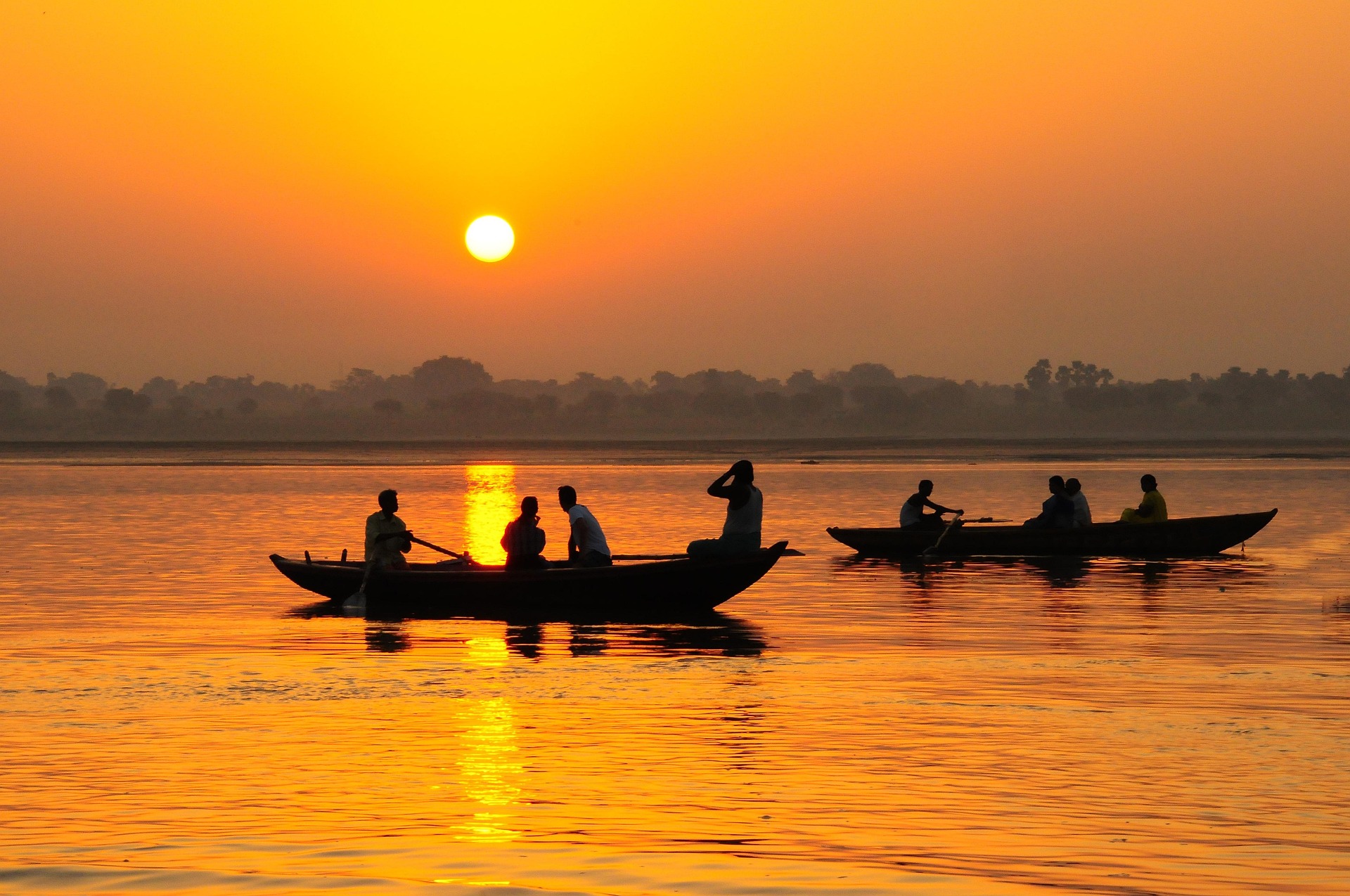
Walking through the old lanes near the river can feel disorienting. Streets are narrow, signage is limited, and it’s easy to get lost. Hiring a local guide for a few hours can help, not just for navigation but for understanding what’s actually happening around you. Boat rides on the river at dawn offer a calmer way to take it all in.
Varanasi isn’t about sightseeing in the usual sense. It’s about observation. First-time travellers often find it challenging but grounding. It tends to stay with people long after they’ve left, even if they’re relieved to move on.
Kerala’s Backwaters and Southern Landscapes
Kerala is often where travellers go to pause after the intensity of northern India. The pace is slower, literacy rates are high, and public transport feels more orderly. The backwaters around Alleppey and Kumarakom are best explored on smaller houseboats or day cruises rather than overnight stays, which can feel repetitive.
Inland, the Western Ghats offer cooler temperatures and hill towns like Munnar, where tea plantations stretch across the landscape. Walking through these areas gives a sense of everyday working life rather than staged attractions. Wildlife reserves such as Periyar focus more on conservation than spectacle, which suits travellers looking for something low-key.
Food in Kerala is distinct and approachable. Coconut, seafood, and rice dominate, and vegetarian options are widely available. For first-time travellers, Kerala provides balance. It shows another side of India without feeling disconnected from the rest of the country.
Goa’s Beaches and Portuguese Influence
Goa doesn’t behave like the rest of India, and that can be helpful early on. The Portuguese influence is still visible in architecture, food, and even daily routines. Churches in Old Goa are quiet and uncrowded, offering a contrast to religious sites elsewhere. Panaji has a laid-back feel, with walkable streets and riverfront cafés.
Beaches vary widely. North Goa is busier, with nightlife and organised activities, while South Goa is calmer and better for longer stays. First-time travellers often prefer places like Candolim or Colva, which offer a balance between facilities and space. Hiring a scooter is common and practical, though traffic awareness is essential.
Goa works well as either an introduction or a decompression stop at the end of a trip. It’s familiar enough to feel comfortable but still unmistakably Indian once you step away from the beach strips.
Where Should First-Time Travellers Actually Start in India?
So where should first-time travellers actually begin in a country this large? The answer isn’t one place, but a combination. Agra offers context and history. Jaipur introduces urban India in a structured way. Varanasi shows the country at its most confronting and honest. Kerala provides breathing space and everyday rhythms, while Goa adds familiarity without losing local character.
Together, these places create a practical route through India that makes sense for newcomers. They don’t simplify the country or smooth out its edges, but they help travellers understand what they’re seeing. That understanding matters more than ticking off sights, especially on a first visit.
Feature image by yosratawakol on Pixabay