
What Is Engine Tuning?
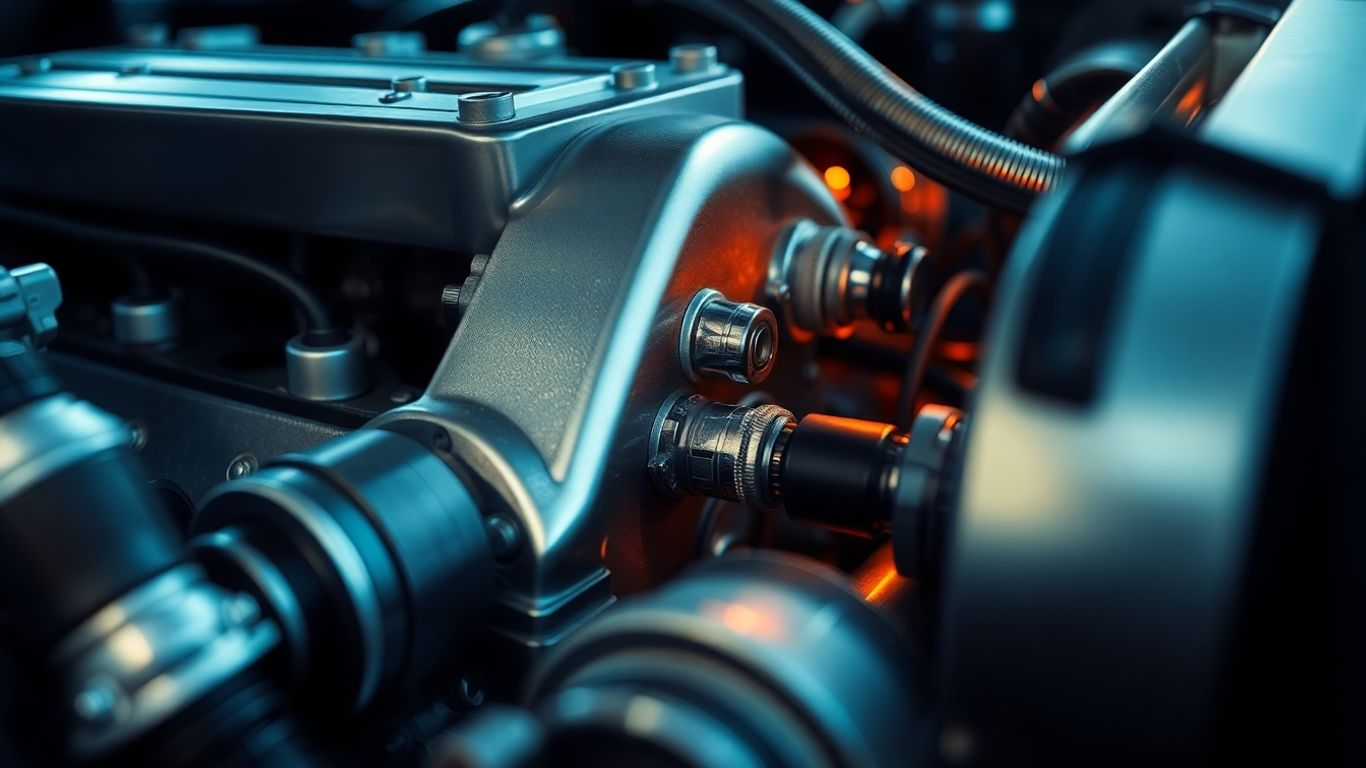
Engine tuning is the process of adjusting a car’s engine systems to make it run better. Think of it like fine-tuning a musical instrument. The goal is to get the best possible performance, whether that means more power, better fuel economy, or a smoother ride. Manufacturers build cars to work for a lot of people and meet strict rules, so they often don’t push the engine to its absolute limit. This leaves room for improvement. If you’re looking for professional tuning options, an established Autotuner dealer in London like LNR Performance Supplies offers specialised parts and expertise to help you unlock your vehicle’s true potential.
This process involves tweaking how the engine uses fuel and air, and when the spark plug fires. It’s not just about making the car faster, though that’s a big part of it for many people. A good engine tune can make your car feel more responsive when you press the gas pedal and can even help it use less fuel on your daily commute. It’s about getting more out of what you already have.
The Evolution From Mechanical To Digital Adjustments
Back in the day, tuning a car was a hands-on, mechanical job. Mechanics would adjust carburetors and distributors, fiddling with physical parts to change how the engine ran. It was a bit of an art, relying on feel and experience. You could often see the changes they were making directly.
Then came computers. With the rise of electronic fuel injection and engine management systems, tuning moved into the digital world. Now, instead of turning screws, tuners use special software to talk to the car’s computer, the ECU. This allows for much more precise control over things like fuel delivery and ignition timing.
This digital approach means we can fine-tune engines with incredible accuracy. It’s like going from a blunt knife to a laser cutter. The ability to make tiny, calculated adjustments means we can optimise performance in ways that were impossible before, leading to better results and a more refined driving experience.
Why Manufacturers Leave Performance On The Table
Car manufacturers have a lot of factors to consider when they design an engine. They need to meet emissions standards, ensure the car is reliable for years, and make sure it runs well in all sorts of conditions, from freezing cold to scorching heat. They also have to think about different types of drivers and how they might use the car.
Because of all these requirements, manufacturers often set the engine’s performance parameters conservatively. They aim for a safe middle ground that works for most people. This means there’s often a significant amount of power and efficiency that isn’t being used. It’s like having a powerful tool but only using a fraction of its capability.
This is where engine tuning comes in. By carefully adjusting the engine’s settings, tuners can safely access that hidden performance. It’s not about making the engine work harder than it should, but rather making it work smarter and more efficiently to achieve its full potential. This careful recalibration is key to unlocking what the car is truly capable of.
Unlocking Hidden Power Through ECU Remapping
The Role Of The Engine Control Unit (ECU)
The Engine Control Unit, or ECU, is essentially the car’s brain. It manages everything from fuel injection to ignition timing. Manufacturers often set conservative parameters to account for various conditions and driver habits worldwide. This means there’s often performance left on the table, waiting to be accessed.
ECU remapping, also known as chipping or tuning, involves altering the software within this unit. It’s a way to tell the engine to operate outside its factory-set limits. This process can lead to noticeable improvements in power and responsiveness. It’s a sophisticated way to get more from your existing hardware.
Think of it like adjusting the settings on a high-end camera. The camera has amazing capabilities, but default settings might not capture the best possible shot. ECU remapping allows for fine-tuning these digital controls to match specific goals, like increased performance or better fuel economy. It’s a powerful tool for any car enthusiast.
Optimising Fuel And Ignition For Maximum Output
ECU remapping directly influences how much fuel is injected and when the spark plug fires. By adjusting these parameters, tuners can create a more potent combustion cycle. This means more power is generated from each drop of fuel and every rotation of the engine.
For turbocharged engines, remapping can increase boost pressure. This forces more air into the cylinders, allowing for more fuel to be added and thus, more power. Ignition timing is also advanced carefully. This ensures the fuel ignites at the optimal moment for maximum force against the piston. It’s a delicate balance, and getting it right is key.
This optimisation isn’t just about raw power. It can also lead to a sharper throttle response. When you press the accelerator, the engine reacts more quickly. This makes the car feel more alive and engaging to drive. The goal is to create a synergistic effect where fuel and spark work in perfect harmony.
Custom Maps For Personalised Performance
One of the biggest advantages of ECU remapping is its customisability. Instead of a one-size-fits-all approach, a custom map is tailored to your specific vehicle and driving needs. This means the tune can be adjusted for aggressive track use, efficient daily driving, or a blend of both.
For example, if you’ve added aftermarket parts like a performance exhaust or intake, a custom map ensures the ECU works with these new components. It optimises airflow and combustion to take full advantage of the hardware changes. This prevents performance bottlenecks and ensures the engine runs smoothly and safely.
A custom ECU map is like a tailored suit for your engine. It fits perfectly and performs exactly as you need it to, whether you’re on the street or the track.
This personalisation extends to transmission tuning as well. For automatic transmissions, remapping can adjust shift points and firmness. This results in quicker, smoother gear changes. It transforms the driving experience, making it more responsive and enjoyable. The ability to create a truly unique driving profile is what makes ECU remapping so appealing.
The Science Of Dyno Tuning For Precision Results
Measuring Real-World Power And Torque
Dyno tuning is where the theory meets the road, but in a controlled setting. A dynamometer, or ‘dyno’, is a machine that measures a car’s power and torque output. It simulates driving conditions, allowing tuners to see exactly what the engine is doing under load. This is critical for understanding how changes affect performance.
This process provides hard data. Instead of guessing, tuners get real numbers. They can see the power curve, torque figures, and how the engine responds to adjustments. This objective measurement is key to effective engine tuning. It shows the actual gains from any modifications or software changes.
The dynamometer is the ultimate tool for verifying performance improvements. It takes the guesswork out of tuning, providing clear, measurable results that confirm the effectiveness of the adjustments made. This precision is what separates good tuning from great tuning.
Ensuring Safety With Every Adjustment
Safety is a top priority during dyno tuning. The dynamometer allows for close monitoring of engine parameters like air-fuel ratios, temperatures, and boost pressures. Tuners watch these readings constantly.
They make small, incremental changes and observe the results. If any reading goes outside safe limits, they stop immediately. This careful approach prevents engine damage. It ensures the car remains reliable after tuning.
A skilled tuner knows when to push and when to hold back. The goal is more power, but never at the expense of the engine’s health or longevity. Dyno tuning makes this balance achievable.
Achieving Balanced Performance
Dyno tuning isn’t just about chasing the highest horsepower number. It’s about creating a well-rounded performance package. This means optimising power delivery across the entire rev range.
Tuners aim for smooth torque curves and responsive acceleration. They also consider how the tune affects fuel efficiency and drivability. A balanced tune makes the car feel better to drive, not just faster on paper.
- Optimised fuel delivery
- Precise ignition timing
- Controlled boost levels
These elements work together. The result is a car that performs better overall, offering a more satisfying driving experience. This holistic approach is the hallmark of professional engine tuning.
Tangible Benefits Beyond Horsepower Gains
While many people think of engine tuning solely in terms of raw horsepower numbers, the advantages go much further. A well-executed tune can transform how a car feels and performs in everyday driving situations. It’s about making the car more responsive and enjoyable, not just faster on a track.
Sharper Throttle Response and Drivability
One of the most immediate and noticeable improvements after engine tuning is a much sharper throttle response. You know how sometimes you press the gas pedal, and there’s just a slight delay before the car actually reacts? Tuning can significantly reduce or even eliminate that lag. This makes the car feel more connected to your inputs, whether you’re merging into traffic or just want a quicker reaction from a stoplight. It makes the car feel more alive and eager.
The difference in how the car responds to the pedal is often described as night and day. It feels less like you’re asking the car to do something and more like it’s anticipating your needs.
This improved responsiveness isn’t just about feeling sporty; it genuinely makes the car easier and more pleasant to drive. For those with automatic transmissions, tuning can also refine shift points, making gear changes smoother or more decisive, depending on the desired outcome. This contributes to a more engaging driving experience overall.
Improved Fuel Efficiency Through Optimisation
It might seem counterintuitive, but engine tuning can actually lead to better fuel economy. By optimising the air-fuel mixture and ignition timing, the engine can burn fuel more efficiently. This doesn’t mean you’ll suddenly be getting supercar mileage from a gas guzzler, but many drivers report a noticeable improvement in their miles per gallon, especially during regular commuting. This optimisation means less fuel is wasted, and you get more out of every tank.
- Optimised Air-Fuel Ratios: Ensures the perfect amount of fuel is injected for the amount of air.
- Refined Ignition Timing: Makes sure the spark happens at the most effective moment.
- Reduced Engine Load: Less effort is needed from the engine for normal driving tasks.
This efficiency gain is a direct result of the engine running in a more ideal state. It’s a win-win: you get a better-performing car and potentially save money at the pump over time. The engine tuning process focuses on making the combustion process as effective as possible.
Smoother Torque Delivery Across The Rev Range
Beyond just peak power, how the torque is delivered throughout the engine’s revolutions per minute (RPM) range is key to a car’s feel. Factory tunes often have dips or flat spots in the torque curve, meaning there are certain RPMs where the car feels less powerful. Engine tuning can smooth out this delivery, providing a more consistent and usable surge of power from low RPMs all the way to the redline.
This means you have more pulling power available when you need it, whether that’s for overtaking on the highway or accelerating out of a corner. The car feels more muscular and less strained. This consistent torque makes the car feel more potent and capable in a wider variety of driving scenarios. The goal of engine tuning is to create a powerband that suits the driver’s needs, making the car feel more responsive and powerful everywhere.
Tailoring Your Vehicle’s Performance
Customisation For Your Driving Style
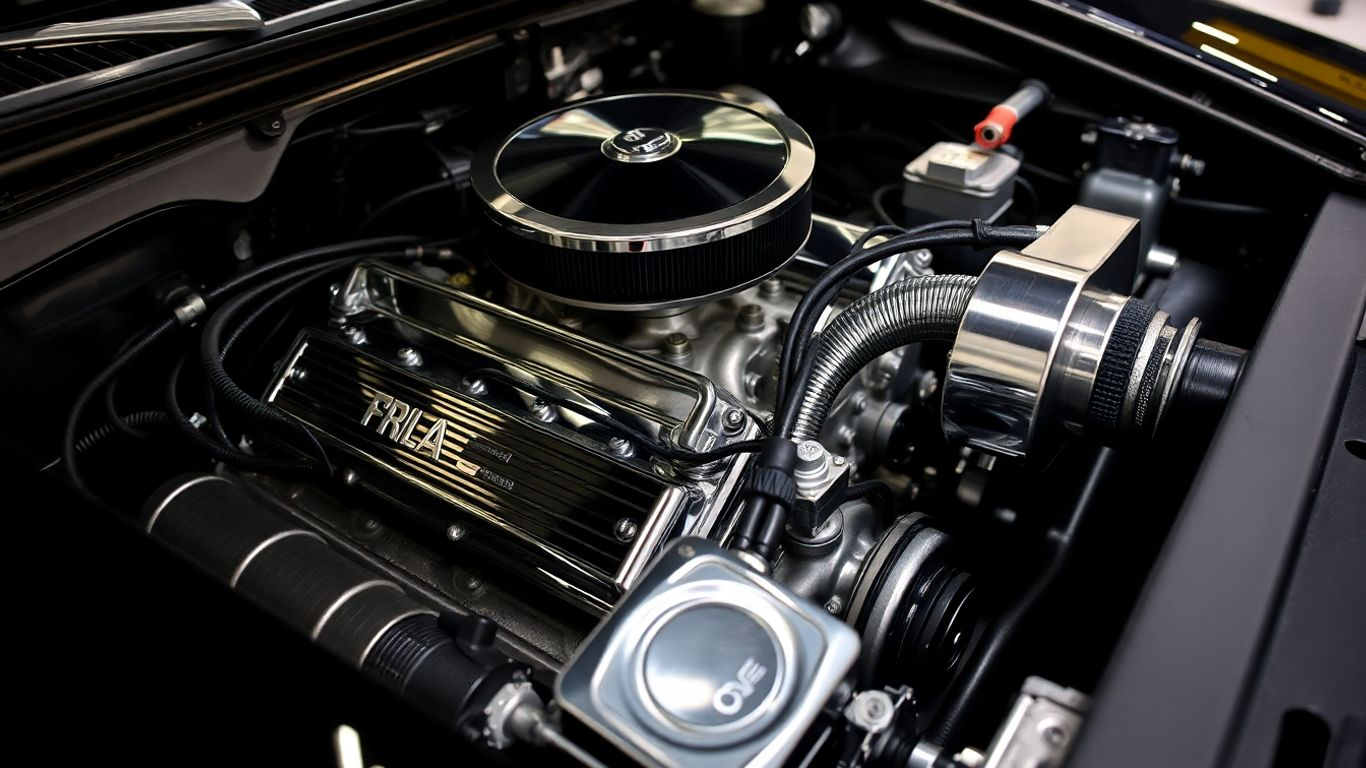
Cars from the factory are built for a wide audience. This means their performance settings are often a compromise. They aim for reliability and broad appeal, not necessarily for the thrill-seeker or the daily commuter with specific needs. Engine tuning lets you change that. It’s about making the car work the way you want it to.
Think about how you drive. Do you need quick bursts of speed for city traffic? Or perhaps a steady, strong pull for highway cruising? A custom tune can adjust the engine’s response to match. This means the car feels more like an extension of yourself, responding precisely to your inputs. It’s a personalised driving experience.
This level of customisation goes beyond just making the car faster. It’s about making it more enjoyable and suitable for your everyday life. A well-tuned car feels more predictable and less frustrating to drive.
Adapting To Aftermarket Modifications
If you’ve added new parts to your car, like a better exhaust or a cold air intake, the engine needs to know how to work with them. Stock tuning won’t account for these changes. It might even cause problems if the air-fuel mixture isn’t right.
Engine tuning bridges this gap. It recalibrates the engine’s computer to take full advantage of new hardware. This ensures that your modifications actually improve performance, rather than just looking good. Without proper tuning, you might not see the full benefit of your upgrades.
It’s like giving your engine new instructions. The tuner adjusts the fuel delivery and ignition timing to work perfectly with the new parts. This makes the whole system work together smoothly.
Addressing Factory Limitations
Manufacturers often tune engines conservatively. They have to consider different fuel qualities, varying climates, and strict emissions rules worldwide. This means they often leave some performance on the table to ensure the car runs reliably everywhere.
Engine tuning allows you to overcome these factory limitations. By adjusting parameters like boost pressure, fuel maps, and ignition timing, a tuner can extract more power and efficiency. It’s about getting the most out of the engine’s design.
This process can reveal the true potential of your car’s engine. It’s not about pushing the engine beyond its limits, but rather about optimising its performance within safe operating parameters. The result is a car that feels more responsive and powerful.
Expert Engine Tuning Services In London
Finding A Reputable Autotune Dealer
When looking for a place to get your car tuned in London, it’s important to find a shop that knows what they’re doing. Not all tuning services are the same, and a bad tune can actually hurt your engine. You want a dealer with a good track record and technicians who have been doing this for a while. Ask around, read reviews, and see if they specialise in the type of car you drive. A good shop will be happy to explain the process and answer all your questions about engine tuning.
The Importance Of Professional Expertise
Professional expertise is key when it comes to engine tuning. These aren’t simple adjustments; they involve complex software and a deep understanding of how engines work. A skilled tuner can optimise your car’s performance safely, making sure it runs better without causing damage. They know how to adjust fuel maps, ignition timing, and other critical settings to get the most out of your engine. Relying on professionals means you’re less likely to run into problems down the road and more likely to see the performance gains you’re after.
Achieving Your Car’s True Potential
Getting your car professionally tuned is the best way to see what it’s truly capable of. It’s about more than just adding horsepower; it’s about making the engine run more efficiently and responsively. A good tune can improve throttle response, making your car feel quicker and more agile. It can also sometimes lead to better fuel economy because the engine is operating at its optimal settings. For drivers in London, finding the right auto tuning service can transform their daily commute or weekend drives into something much more exciting.
The Takeaway on Engine Tuning
So, after all this, it’s pretty clear that engine tuning is more than just chasing big horsepower numbers. It’s about making your car work better overall. You can get better gas mileage, a smoother ride, and a car that just feels more responsive when you want it to. Manufacturers build cars to be good for a lot of people and places, but that often means there’s extra performance left on the table. A good tune, done by someone who knows their stuff, can bring that out. It’s a way to make your car feel more like your car, tailored to how you drive. If you’re looking to get more out of your vehicle, looking into tuning is definitely worth considering.