
An Audacious Vision
In the northern reaches of the Tavoliere delle Puglie, Puglia, Southern Italy, sits San Severo — a solid, unglamorous agricultural town of the kind British travellers tend to speed past on the way to somewhere prettier.
For six years, a shuttered newsstand on Via Matteo Tondi stood as a small monument to a much larger Italian decline: the country’s newsstands have fallen from roughly 35,000 in 2005 to around 20,000 in 2024, a collapse of nearly 43 per cent, as readers migrated to screens and neighbourhood kiosks were quietly boarded up one by one.
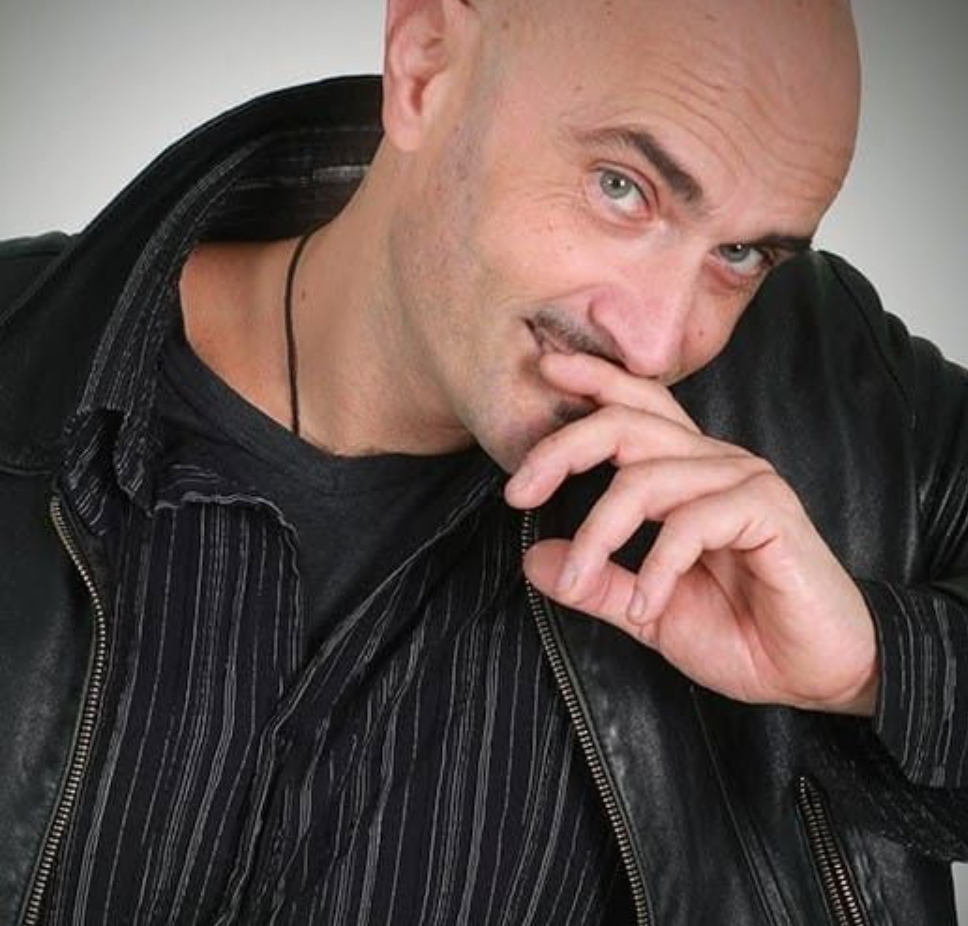
Francesco Gravino, artistic director of the thirty-year-old San Severo theatre company Foyer ’97, looked at that particular shuttered kiosk and refused to see only an ending. Gravino, as a boy, had queued there for football stickers; as an adult, he lingered for a conversation with the newsagent. When the shutter finally came down for good, he began asking a strange question: how far could a stage be reduced before it stopped being a stage at all?
A Stage of Six Seats
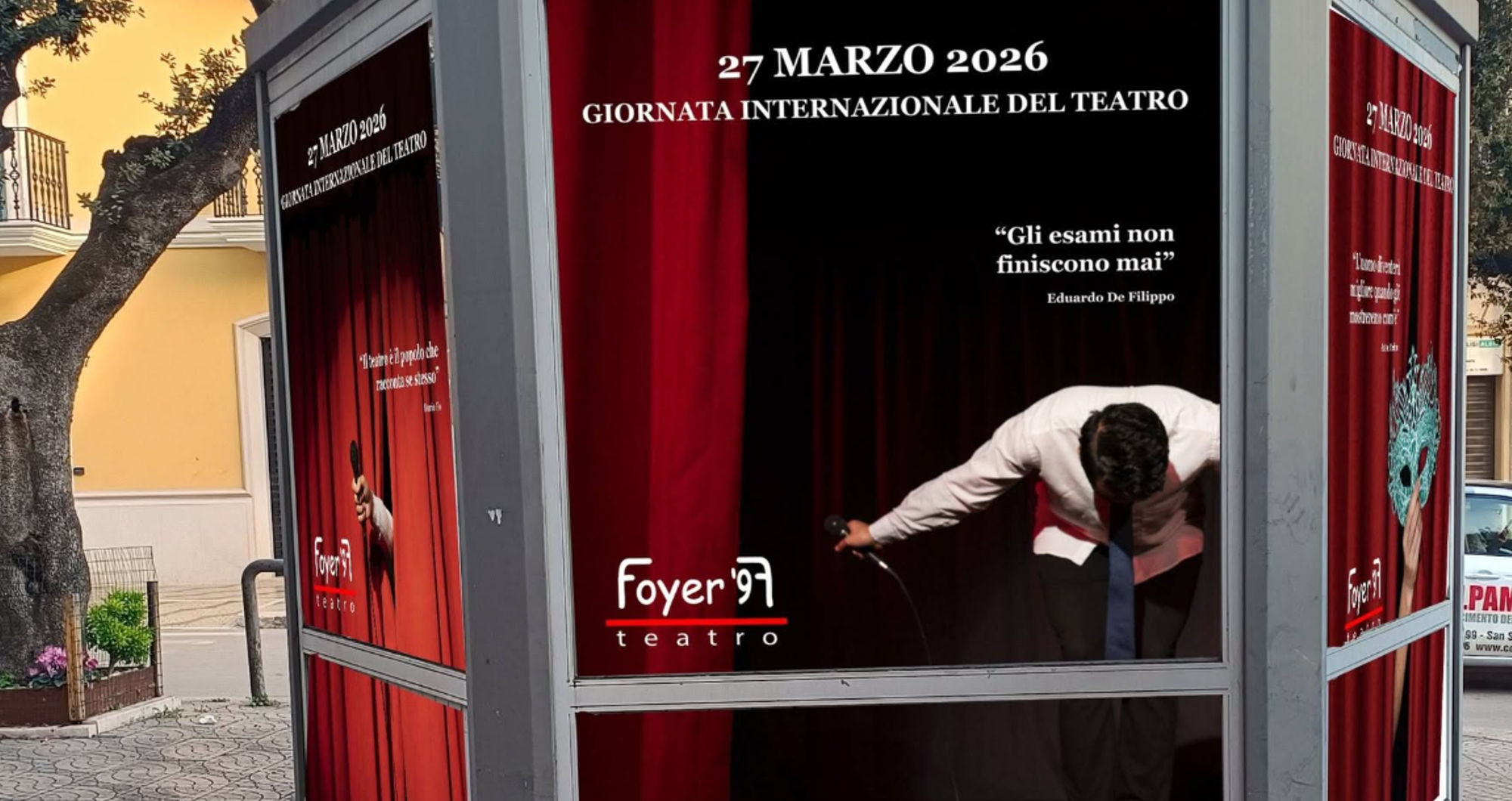
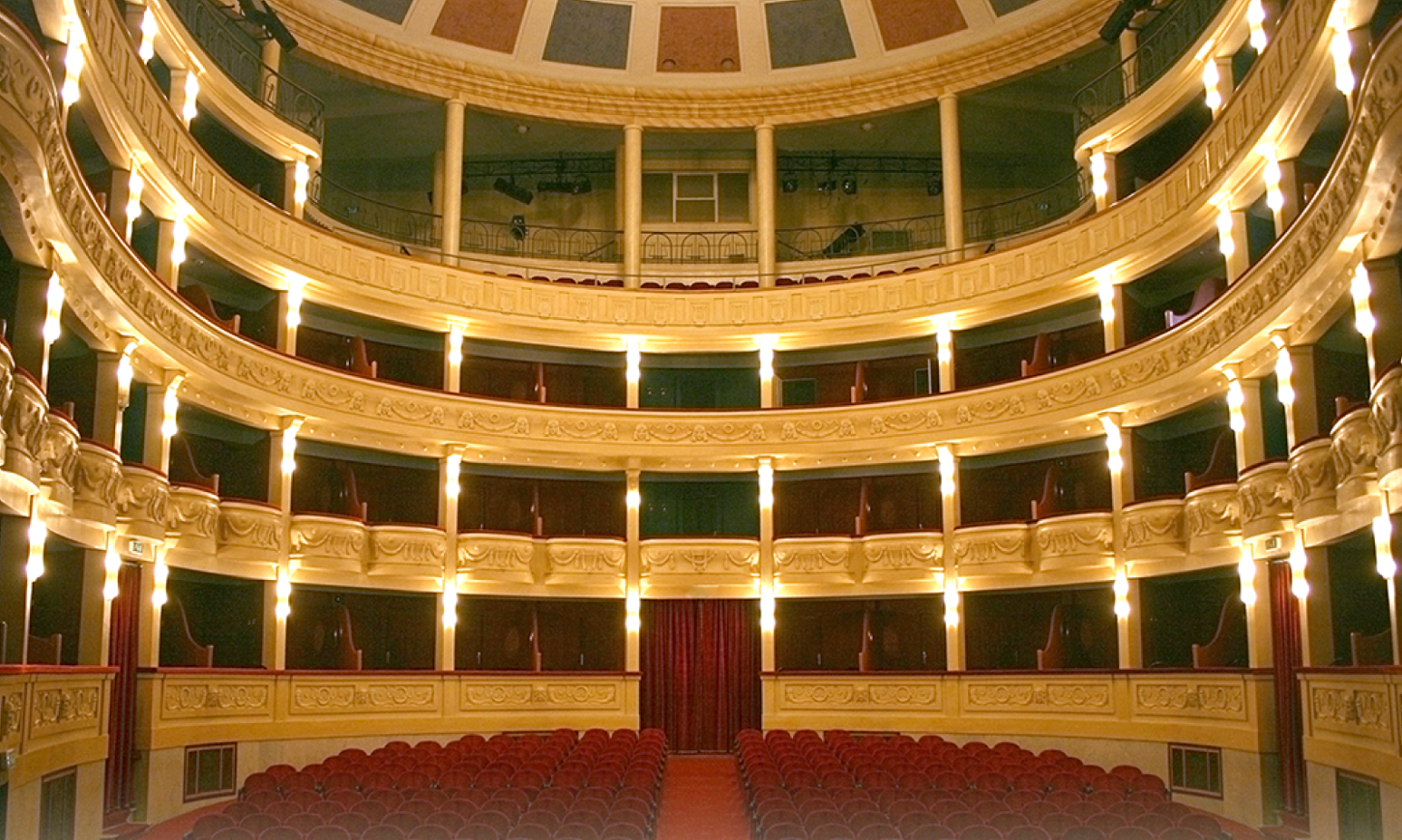
The answer opened its doors on 27 March 2026, World Theatre Day, as “Teatro Edicola”, or ‘Newsstand Theatre’. The space is tiny: six spectators at a time, seated less than a metre from the performers, watching pieces that run for roughly ten to fifteen minutes before the next small queue shuffles forward. Eleven actors from Foyer ’97 rotate through a repertoire ranging from Goldoni to Chekhov, from Euripides to Giorgio Gaber.
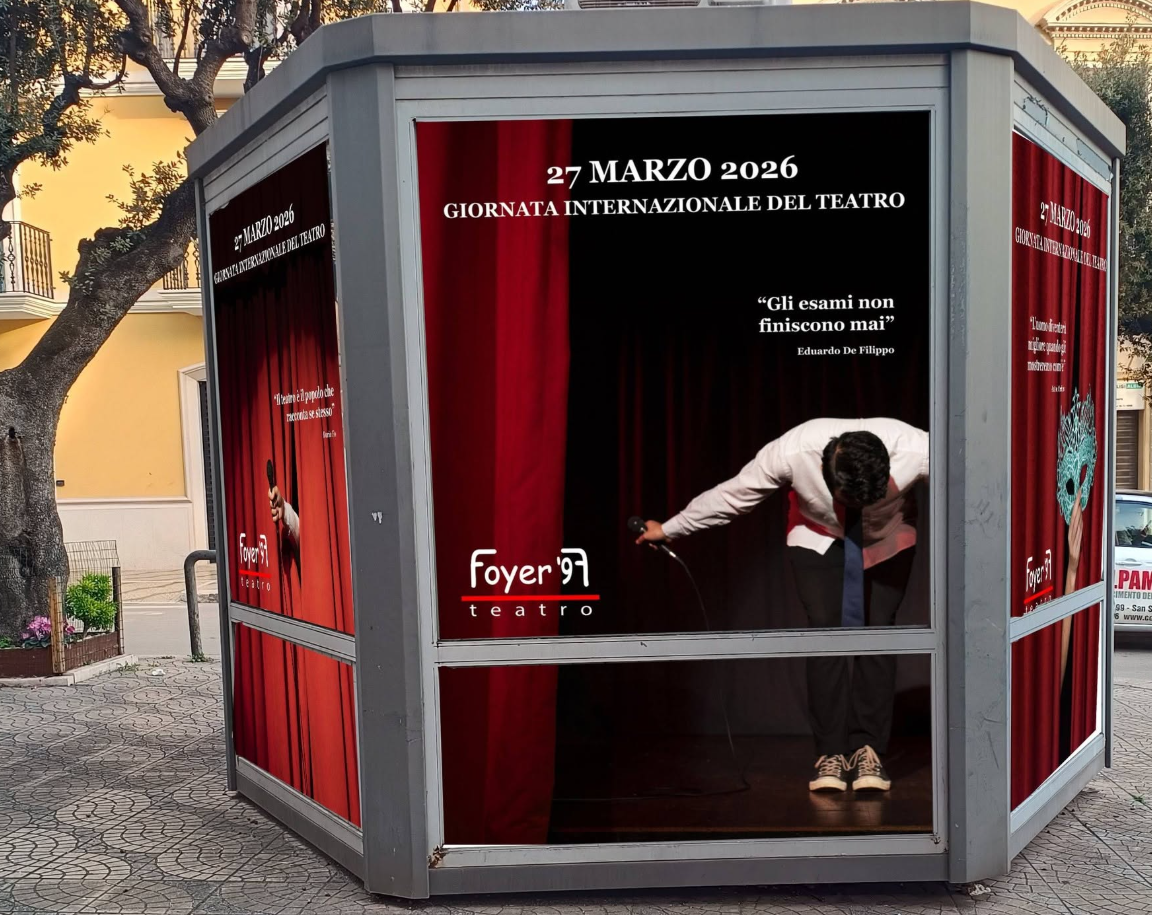
A sign and a QR code greet those queuing outside: ‘Warning! This QR Code transforms passers-by into actors. Scan only if you are ready.’ It is a small, disarming provocation, and by Gravino’s account the transformation it works on audiences is the most striking part of the whole experiment — visitors arrive amused, then curious, then, by the time the lights come up again, faintly changed. Gravino has described watching people step back out onto the street looking as though they have shared something private.
Measurable Transformation
The numbers, for such an improbable venue, are startling. Within days of opening, hundreds of curious visitors were queuing along Via Tondi for performances scheduled every fifteen minutes — enough that the company now has its sights on a Guinness World Records title for the smallest theatre in the world.
Pino Frau, the newsstand’s owner, handed over the space rent-free, a gesture the town’s mayor, Lidya Colangelo, and her deputy for culture, Anna Paola Giuliani, publicly thanked alongside the whole company. The municipal government has been unambiguous in its backing, framing the Foyer’97 project as proof that cultural regeneration needn’t wait on large budgets: as officials put it in a statement, culture chiefly needs ideas capable of bringing a community together.

Gravino’s own account of the founding impulse has the ring of a manifesto: the ambition, he has said, was to strip theatre back to its most direct essence, and the disused newsstand became the perfect symbol of that — a space that once dispensed news transformed, almost overnight, into one that dispenses feeling.
A Global Echo
What might have remained a charming local curiosity instead travelled remarkably fast. BroadwayWorld — read across the international theatre industry — profiled the project under the headline ‘An Abandoned Italian Newsstand Just Became the World’s Smallest Theatre’, calling it perhaps the most radically intimate playhouse on earth. Globo Australia carried the story to Italian-Australian readers; Hollywood Beats Magazine and The Psychologist (British Psychological Society) analysed it under the show/psychological point of view. ANSA, Italy’s national news agency, ran it nationally, along with a wave of regional and cultural press.

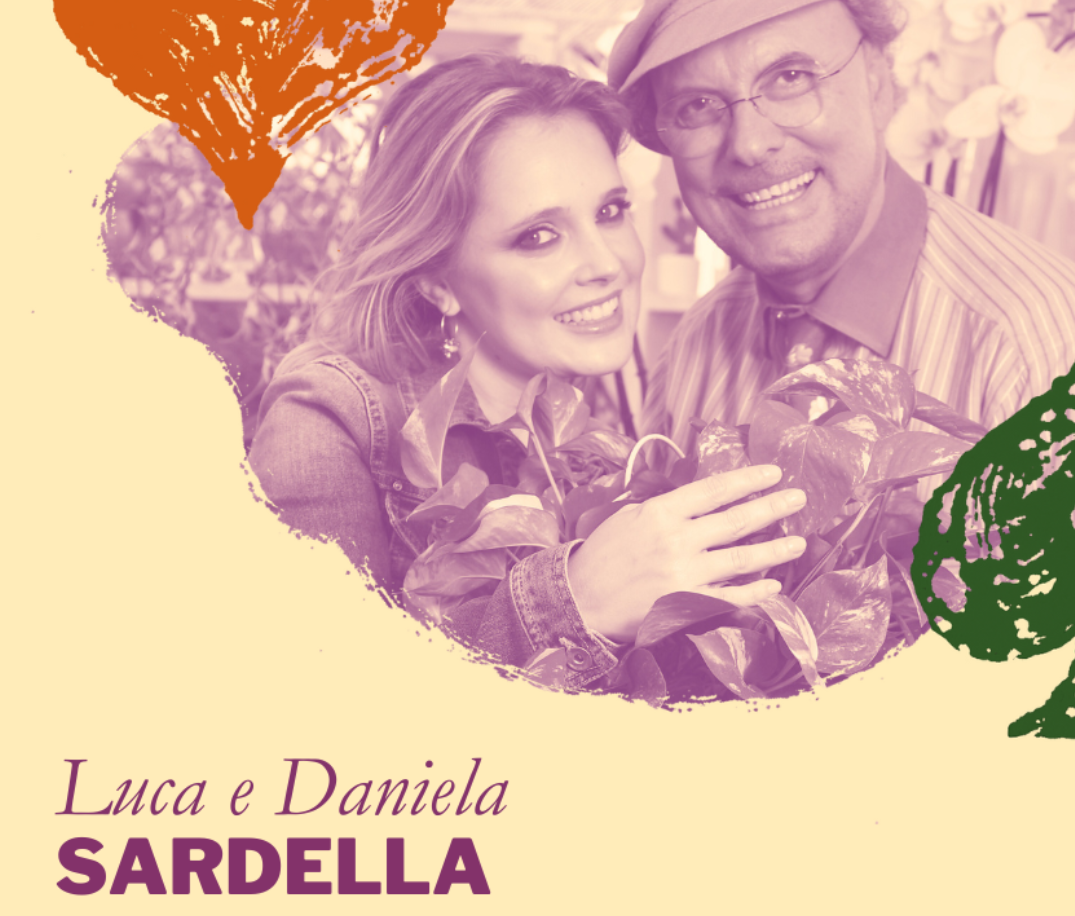
Gravino has traced his own inspiration back to “Edicola Fiore”, the newsstand-set web series turned television hit fronted by the Italy-renowned entertainer Fiorello — the first, he says, to prove that a newspaper’s kiosk could double as a stage, while Fiorello is also linked to other prominent San Severo-based figures, Luca e Daniela Sardella.
Buoyed by the response, Foyer ’97 is now weighing an expanded season and has begun conversations about buying the newsstand outright to secure it as a permanent home. Enquiries have already arrived from Rome, Bari, and Lucca about replicating the format elsewhere — a small sign that a very small theatre may yet travel a very long way.
Exploring San Severo and Northern Puglia
For British visitors more familiar with Bari, Ostuni or the Salento coast, San Severo offers a rougher-edged, more authentic slice of the Tavoliere delle Puglie‘s agricultural interior — a landscape of wheat fields and vineyards (this is, after all, the heart of San Severo DOC wine country) rather than whitewashed seaside charm. The town sits within easy reach of the Gargano promontory’s beaches and forests, and of Foggia’s own historic centre. Local tables lean on the same Puglia-based staples travellers will already love: orecchiette, robust Coratina olive oil, and burrata, alongside the region’s characterful, food-friendly wines.
Practical Information
International travellers typically fly into Bari Karol Wojtyła Airport, or Gino Lisa Foggia Airport, then hire a car or take a regional train — San Severo sits on the main line between Bari and Foggia, and is well served by the A14 motorway. Foggia itself, a short hop away, makes a sensible base for visitors keen to combine Teatro Edicola with the wider Gargano. Given the venue’s six-seat capacity and fifteen-minute turnaround, those keen to secure a spot would do well to check current performance dates with Foyer ’97 before travelling, as the schedule continues to evolve.
As evening light falls across Via Tondi and the little newspapers’ kiosk’s single spotlight flickers on, something modest but unmistakable happens: an object built to sell yesterday’s news becomes, for a quarter of an hour at a time, a place where six strangers stand close enough to hear an actor breathe. San Severo will not, on the strength of this alone, unseat Puglia’s better-known attractions. But it offers something rarer than a view: proof that even the smallest abandoned space can be persuaded, with sufficient stubbornness and imagination, to hold a story again.