
Valentine’s Day is often marketed as a celebration of romance, but for many people, it brings pressure, comparison, and uncomfortable questions about self-worth. According to YouGov, one in three UK adults says Valentine’s Day negatively affects their mental health, while Office for National Statistics data shows nearly half of UK adults feel lonely at least some of the time.
Against that backdrop, experts say Valentine’s Day can be reimagined as something quieter and more grounding: a moment to reconnect with yourself, rather than perform happiness for others.
When Avoiding Valentine’s Is a Sign to Check In
TikTok creator Roxanne Freeman believes Valentine’s Day often exposes truths people would rather avoid.
“People say they don’t need a day to celebrate love, but it’s worth asking whether they actually feel loved the rest of the year,” she explains. “Valentine’s isn’t about cards or gifts. It’s about feeling supported, valued, and chosen. If you don’t feel that, the day can shine a light on what you’ve been accepting.”
Her view reflects wider UK data. The Mental Health Foundation reports that over 60 percent of adults struggle with self-worth, particularly during high-comparison periods such as holidays and milestone events.
“Self-love is knowing your worth,” Roxanne adds. “Sometimes choosing yourself is the healthiest decision you can make.”
Why Laughter Might Be the Best Valentine’s Therapy
One of the most accessible mood boosters is laughter. UK-referenced research shows that laughter can reduce cortisol levels by up to 39 percent, helping regulate stress and lift mood.
Comedian Ishi Khan sees this effect first-hand. She is performing on Valentine’s Day itself and appearing more than 20 times across the three-week comedy festival.
“Laughter shifts your state instantly,” she says. “You don’t need to fix your life in one evening. Sitting in a room and laughing reminds you that joy is still available.”
UK live performance research also suggests that people attending comedy shows report higher immediate mood elevation than those consuming content alone.

Self-Love Is About Regulating the Nervous System
Clinical psychologist Dr Cassidy Blair explains that self-love is often misunderstood.
“Self-love isn’t positive thinking,” she says. “It’s action. Practices like mindful mirror work help people rebuild internal security by grounding them physically and psychologically.”
She adds that many people seek validation during Valentine’s week without realising its limits. “When people feel internally safe, emotional stability improves. That’s what lasts beyond one day.”
Sound Baths, Stillness, and Letting the Body Rest
For those feeling overstimulated or burnt out, nervous system regulation is key.
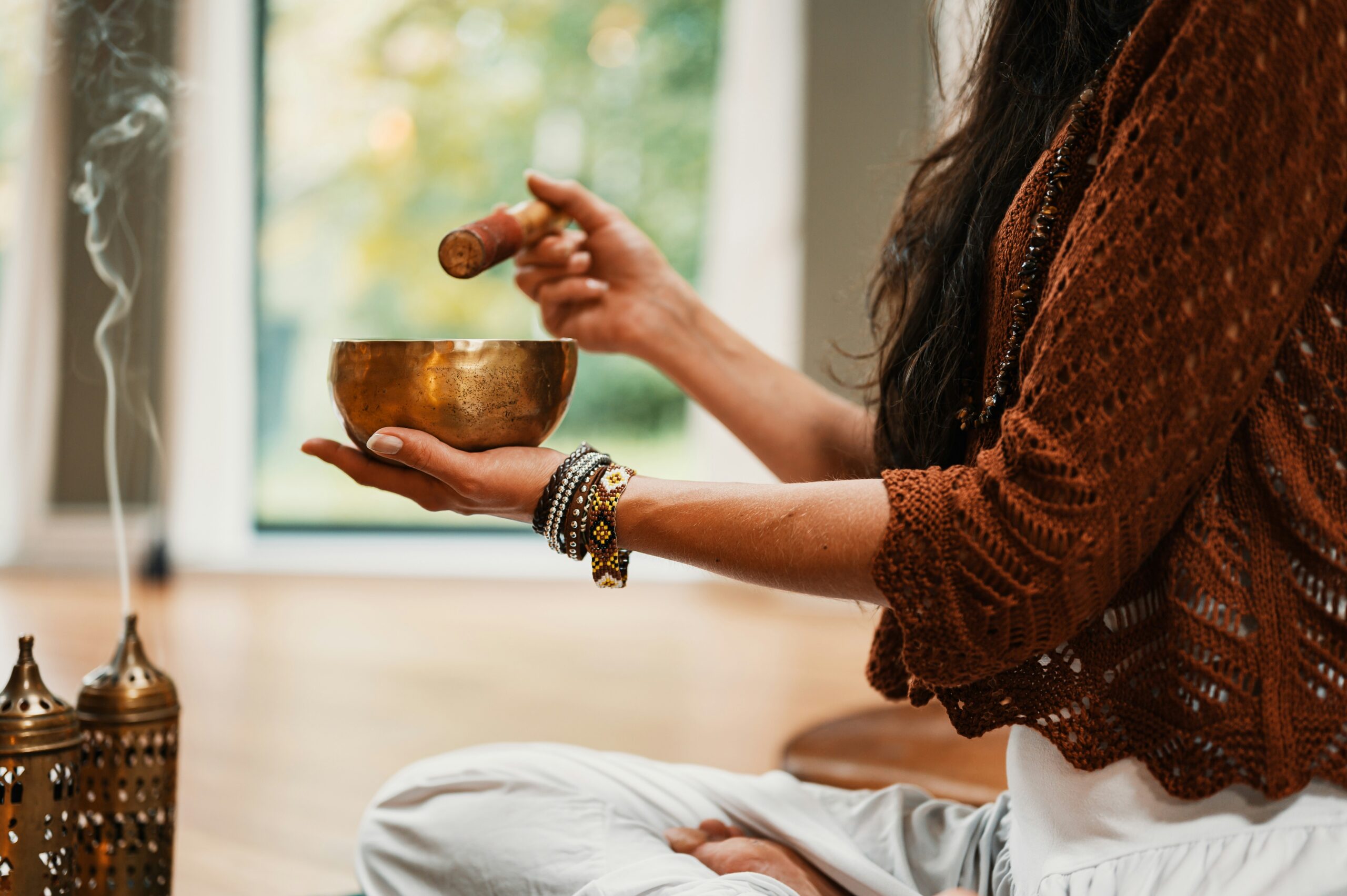
Kelly, founder of Sister of Sound, explains that sound baths help the body move out of fight-or-flight mode.
“Sound allows the nervous system to slow down,” she says. “Many people don’t realise how much tension they’re holding until they give themselves permission to stop.”
She believes Valentine’s Day is an ideal time to prioritise rest rather than stimulation.
Pleasure, Body Connection, and Feeling at Home in Your Skin
Sexual empowerment expert and tantra teacher Lorraine Chapman highlights that self-pleasure is one of the most effective yet misunderstood forms of self-care.
“When we engage in self-pleasure with presence, the body releases oxytocin, dopamine, and endorphins,” she explains. “These hormones reduce stress, support sleep, and help regulate anxiety.”
NHS sexual wellbeing guidance confirms these benefits, yet UK survey data suggests over 40 percent of women still feel shame or discomfort discussing self-pleasure, despite its wellbeing impact.
Building on that idea of embodied self-connection, visibility strategist and wellbeing advocate Estelle Keeber believes comfort in your own body is foundational to self-love.
“As a nudist, I’ve learned that spending time without clothes can be incredibly grounding,” she explains. “It removes layers of judgment and expectation and allows you to reconnect with your body as it is, not as something to be fixed or hidden.”
Research into body image and mental health consistently shows that greater body acceptance is linked to reduced anxiety, improved self-esteem, and better overall well-being.
“When you remove clothes, you remove comparison,” Estelle adds. “You stop performing and start existing. Exploring your body without shame can be deeply healing, especially for people who have spent years disconnected from it.”
She emphasises that nudism is about comfort and presence rather than exhibitionism. “Sometimes self-love is as simple as standing in front of the mirror unclothed and choosing compassion over criticism.”
Movement, Running, and Emotional Release
Movement is another powerful form of regulation. Anxiety UK reports that just 20 minutes of moderate exercise can significantly reduce anxiety, while Mind UK notes that outdoor movement can boost mood by up to 30 percent.
Personal trainer Carly Harvey says movement is about far more than fitness. “Taking time for yourself isn’t selfish, it’s essential. Even a short walk sends a message to yourself that you matter.”
Running coach Deepak Shukla, CEO of Pearl Lemon Running, agrees. “Running is the cheapest therapy I know. Shoes on, door open, brain quiet. Self-love is a habit that shows up even when motivation doesn’t.”
Choosing Substance Over Trends
Self-love can also mean opting out of hype. Jean Pascal Charles from Karin Herzog believes genuine care is rooted in simplicity and science.
“In a world of complex routines, real self-love is choosing what genuinely works,” he explains. “It’s about respecting your body rather than chasing trends.”
A Quieter Way to End Valentine’s Week
For those who want to step away from performance entirely, initiatives such as World Love Week offer a softer alternative.
Running from 8 to 15 February, World Love Week centres on ThankYouGrams — short, private notes of appreciation written either to yourself or to someone who supported you through a meaningful moment. They are intentionally non-performative, low-pressure, and brief.
Some people write to themselves after a difficult year. Others thank a friend, family member, or caregiver whose support was never formally acknowledged. Rather than promoting self-love as a concept, the practice focuses on naming something that mattered.
In a week that can amplify comparison and loneliness, the idea offers something quieter: recognition instead of romance, acknowledgement instead of spectacle.

Redefining Valentine’s Day
Across laughter, rest, pleasure, movement, body acceptance, and reflection, one message is clear: self-love isn’t indulgent or selfish. It’s foundational.
Valentine’s Day doesn’t have to be about proving happiness or fitting a script. It can simply be a moment to reconnect with yourself in a way that feels honest.
As Roxanne Freeman puts it, “Every one of us wants to be loved properly. Sometimes that starts with choosing yourself.”