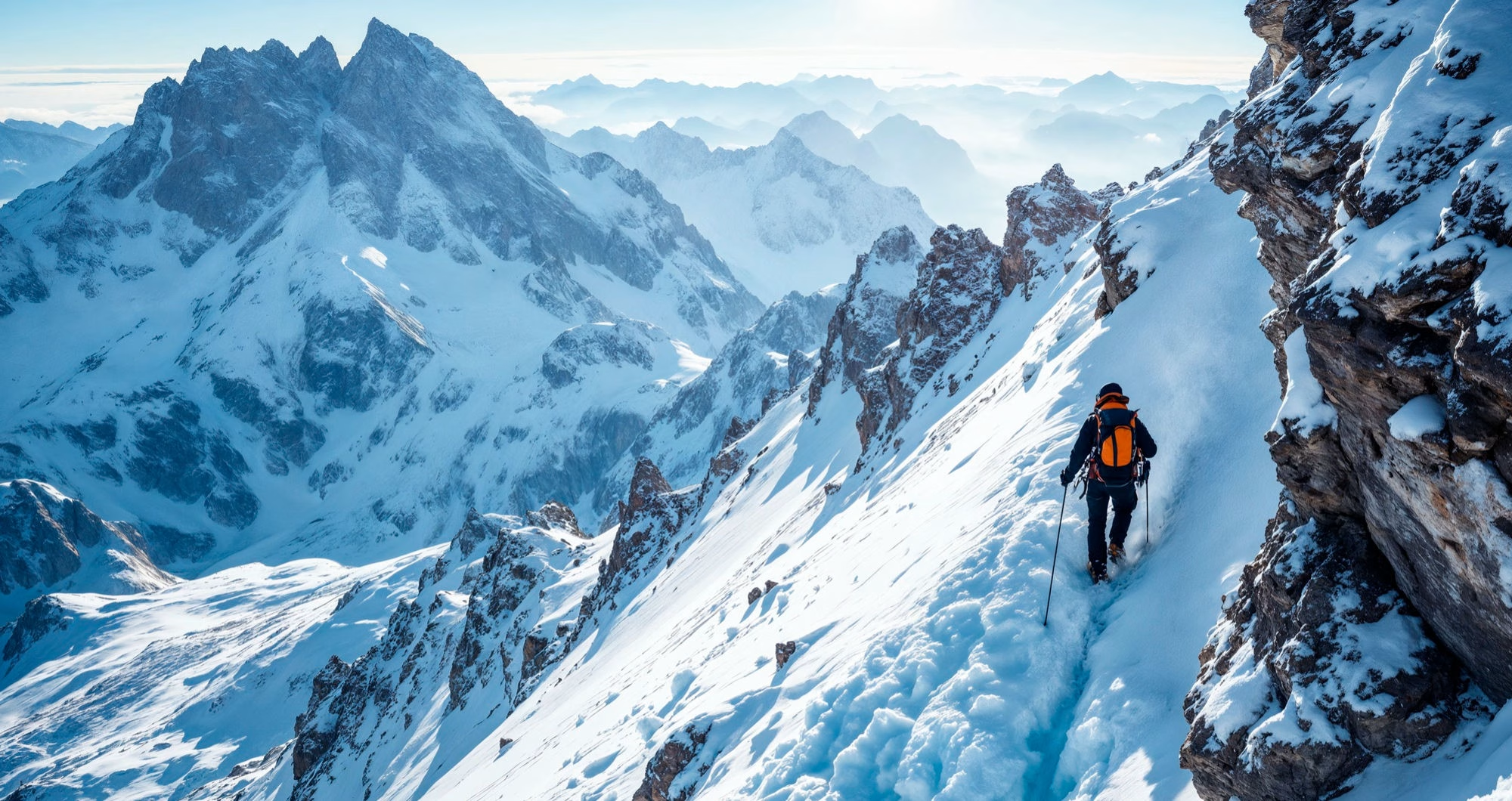

Nepal is a country where mountains live. It is a land of eight peaks above 8000 m. The world’s tallest mountain, Everest, is also here. That is why many people say Nepal is the world’s best trekking destination. And the truth is, when you walk the Nepal trail, you know it, you feel it. Trekking in Nepal is not just walking. It is a story about meeting people and touching stones, rivers, monasteries, and snow. Nepal gives many routes. From the high Everest Base Camp to the Annapurna Circuit to the Langtang Valley. Every trek is different, but every trek is full of magic.
In this article, we talk about why Nepal is number one. We looked at the Everest Base Camp trek, the Annapurna Circuit trek, and the Langtang trek. We also see highlights, the best time, altitude, food, culture, and practical things. All with simple words, like natural talk, like one friend sharing with another.
Everest Base Camp Trek overview
The Everest Base Camp Trek, people call it the EBC trek. It is the dream trek of almost every trekker. This trek takes you to the foot of the world’s highest mountain, 8848 m tall. For around two weeks, you walk in the Khumbu Valley, through Sherpa villages, along the Dudh Koshi River. You fly to Lukla, a small airport on a mountain edge, and then the trail begins. From the Kala Patthar viewpoint, you see sunrise on Everest, golden light covering the giant peak.
The EBC trek shows not only mountains but also the culture of the Sherpa. You visit a monastery and see prayer flags, mani stones, and stupas. Tea houses along the way give hot dal bhat, noodles, tea, and a warm smile. Trekking here is challenging and the altitude is high, but it is rewarding. That’s why it is the most famous trek in the world.
Annapurna Circuit Trek overview
The Annapurna Circuit Trek is one of the greatest classic treks. People from every corner of the world come for it. Circuit means you go around the Annapurna massif, starting from a low village and finishing on the Mustang side. You see changes of land, culture, and climate, all in one trek. The trail starts from Besisahar or Dharapani, then climbs slowly through forest, rice terraces, waterfalls, and river valley. Slowly, the air gets thin, and the mountain gets closer. You pass villages like Chame, Pisang, and Manang, then cross Thorong La Pass at 5416 m. That is the highest point, difficult but unforgettable.
After passing, the trail goes down to holy Muktinath, then continues to the Jomsom-Pokhara side. Along the way you see Annapurna, Dhaulagiri, Nilgiri, and many peaks. People meet Gurung, Thakali, and Tibetan influences. Food, lodge, everything available. Trek length depends, 12–18 days normally. In short, the Annapurna Circuit is a mix of everything Nepal can offer in one loop.
Langtang Trek overview
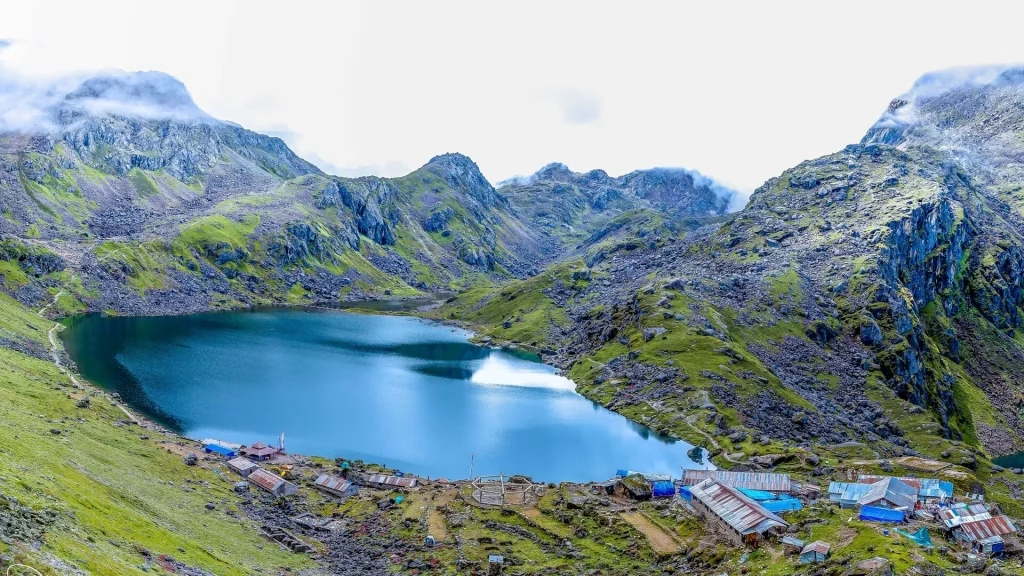
Langtang Trek is close to Kathmandu, but it feels like a different world. Only a few hours’ drive from the city, you enter Langtang Valley. This trek is shorter, one week is enough, but the experience is deep. The trail follows the Langtang River, passing through a forest of rhododendron, bamboo, and pine. You see red pandas, maybe, and many birds. Villages along the way are Tamang people, with a culture close to Tibetan. Houses made of stone, with a prayer flag.
The main point is Kyanjin Gompa, in the high valley. From there, a side hike to Tserko Ri, above 4900 m, gives a wide panorama of Langtang Lirung and other peaks. The earthquake of 2015 destroyed many areas, but now villages have been rebuilt, and people welcome trekkers with warm hearts.
The Langtang trek is not as famous as EBC or Annapurna, but it is peaceful, natural, and cultural. Perfect for people who want a short but real taste of the Himalaya.
Why Nepal is the world’s best trekking destination
Because only in Nepal do you get it all: the tallest mountain, remote valley, culture alive, tasty food, and kind people. Trek routes everywhere, from easy one-week to long one-month. You walk in a high-altitude desert, then in a green jungle, then on a glacier. Nepal trekking is cheap compared to many countries. Tea house systems make it easy; there’s no need for heavy camping. Also, every trail has a history, legend, or story of gods, monks, and kings. You never feel empty.
Safety also improved, guides were trained, lodges were better, and the permit system was organised. Nepal keeps its heart open for trekkers. That is why, for 2025/2026 and forever, Nepal is best.
Highlights of trekking in Nepal
- Stand at Everest Base Camp under the tallest mountain on Earth.
- Cross Thorong La Pass in the Annapurna Circuit with views of Dhaulagiri and Annapurna.
- Reach Kyanjin Gompa in Langtang, surrounded by silence and snow peaks.
- Stay in tea houses and eat dal bhat with locals.
- Watch the prayer flag fly, and listen to the monk chant in the monastery.
- Sunrise on the Himalayan giant, golden snow like fire.
- See the change of culture, from Hindu lowland to Buddhist highland.
- Feel adventure, challenge, and peace together.
Best time to trek in Nepal
The best time is the two main seasons.
Spring (March to May): Rhododendrons bloom, the weather is warm, and the sky is mostly clear. The mountain view is nice, and the trail is full of colour.
Autumn (September to November): After the monsoon, the air is clean, the sky is crystal, and the mountains are sharp. This is the most popular crowd.
Winter is cold; the pass may close. Summer monsoon brings rain, leeches, and green valleys. So the best for most people is spring and autumn.
Altitude and acclimatisation
Altitude is the main challenge in the Nepal trek. Everest Base Camp 5364 m, Thorong La 5416 m, Langtang Tserko Ri 4900 m. Above 3000 m, the body needs time to adjust. Rule simple: climb slowly, sleep low, drink water, and take rest days. In EBC, you take a rest in Namche and Dingboche. In Annapurna, you stop in Manang. In Langtang, you spend an extra night in Kyanjin.
Acclimatisation is important, or else altitude sickness comes. Headache, nausea, tiredness. Always listen to the guide; never rush. The mountain waits for you.
Culture on the trek
The Nepal trek is not just snow; it is people, too. In Khumbu, you meet Sherpa, strong and friendly, keeping the Everest spirit alive. In Annapurna, you meet Gurung, Thakali, and Manangi, each with their own dress, food, and tradition. In Langtang, you meet Tamang, close to Tibetan culture. You see monasteries, gompas, mani walls, and stupas. You hear chanting, bells, and drums. You watch festivals, maybe dances, masks, and lama ceremonies. Culture is living.
When trekking, respect culture. Walk left of the mani wall; do not touch sacred objects without asking. Smile, say “Namaste,” and it opens the hearts of people.
Food on the trek
Food on the Nepal trek is simple but strong. The main dish is dal bhat: rice, lentil soup, vegetables, and pickle. They say dal bhat power lasts 24 hours. And it is true; it keeps you walking.
Other food: noodle soup, momo (dumpling), chapati, fried rice, pasta, and pancake. In Khumbu and Annapurna, you also find bakeries, apple pie, and coffee. In Langtang, try yak cheese, famous.
Drink water that is always boiled or filtered. Tea houses serve ginger tea, lemon honey tea, and milk tea. In the cold evening, hot soup is like medicine.
Food is not a luxury, but after a long walk, it tastes best.
Practical information for trekking in Nepal
- Permit: EBC needs a Sagarmatha National Park permit and TIMS. Annapurna needs ACAP and TIMS. Langtang needs a Langtang NP permit.
- Guide/porter: Recommended, especially for safety and local support.
- Accommodation: Tea house lodge, basic room, common dining hall. Sleeping bag needed.
- Transport: Flight to Lukla for EBC, bus/jeep for Annapurna and Langtang.
- Gear: Warm clothes, trekking boots, down jacket, rain cover, poles, headlamp.
- Money: Carry cash; there is no ATM on the trail.
- Communication: Wifi is available but slow; some places have NTC/Ncell signals.
- Insurance: Important, cover high altitude and helicopter rescue.
Conclusion
Nepal is the gift of the Himalaya. Nowhere else do you find such high peaks, such warm people, and such deep culture in one small country. Everest Base Camp gives the dream of the highest mountain. The Annapurna Circuit gives the adventure of crossing passes and seeing many landscapes. Langtang gives peace and closeness to nature. That is why Nepal is the world’s best trekking destination. For 2025, 2026, and many years ahead, if you want a walk that touches your soul, then Nepal is calling. Answer it, and you will never regret it.
FAQs
Q1: Which trek is best for beginners?
The Langtang trek is short and easier.
Q2: Do I need a flight for the Annapurna Circuit?
No, road access by jeep or bus.
Q3: How many days will the EBC trek take?
Around 12–14 days normally.
Q4: What is the food cost on the trek?
Around 5–8 USD per meal in a tea house.
Q5: Is a guide mandatory in Nepal?
Not for all treks, but highly recommended for safety and local culture.
Feature Image from FreePik