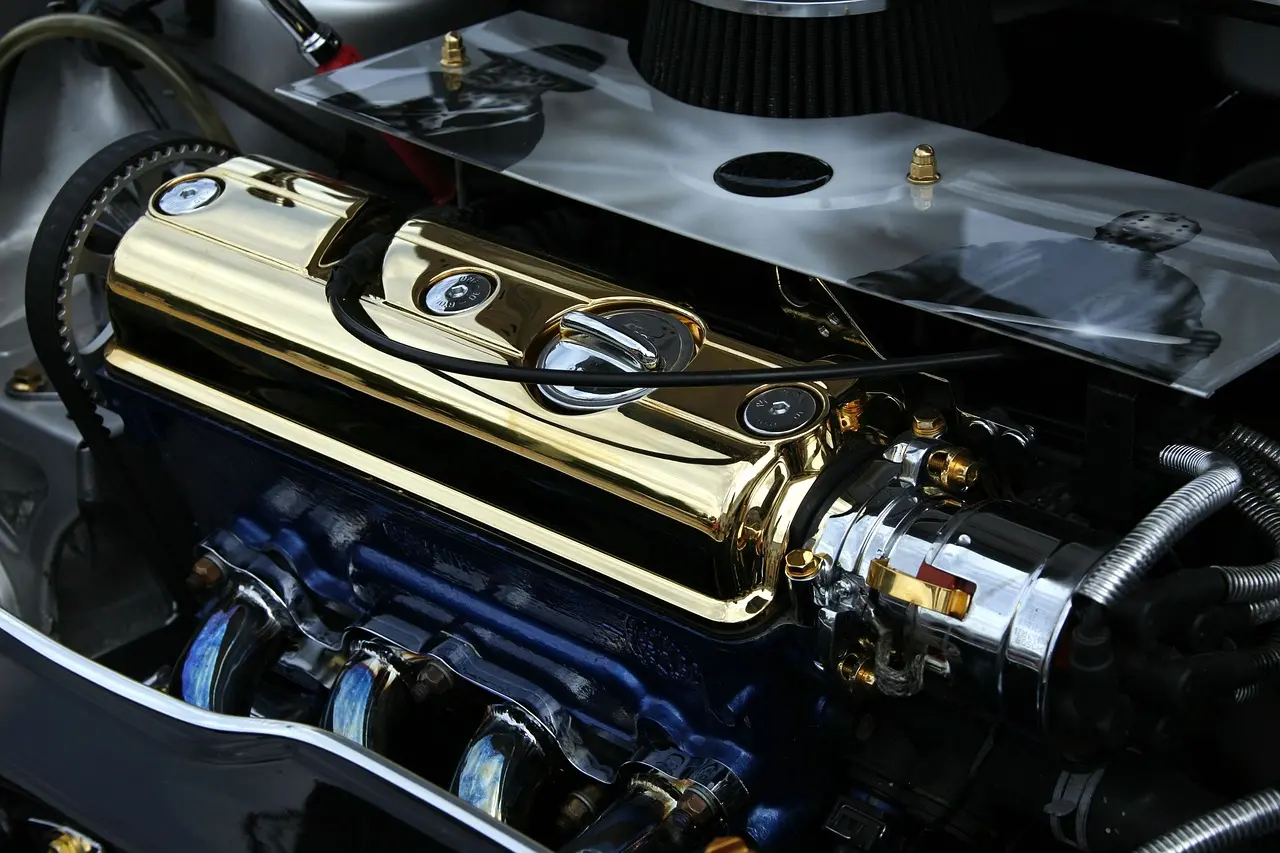

If you are choosing a new car and want to save money while reducing the amount of harmful emissions emitted, you will want to select a model with a turbocharger. Not only are they more fuel efficient, but they also reduce the amount of carbon dioxide, carbon monoxide, nitrogen oxide, and hydrocarbons being released into the atmosphere.
How Turbochargers Work
A turbocharger uses the exhaust gases from an engine to drive a turbine which is connected to a compressor, forcing more air into the engine’s combustion chamber. This greatly increases the air supply to the engine, allowing it to burn fuel more completely and efficiently than a naturally aspirated engine. This process boosts engine power without having to increase the size of the engine, giving smaller engines the ability to be more powerful and efficient than their larger counterparts.
How Turbochargers Improve Fuel Efficiency to Reduce Emission Levels
Because they burn fuel more completely, turbocharged engines are much more fuel efficient than naturally aspirated engines. This means less fuel needs to be burned to achieve the same level of power, resulting in fewer harmful emissions being released into the atmosphere. This is why they are often found as standard in modern petrol and diesel vehicles.
Carbon Monoxide and Hydrocarbon Emissions
Two significant contributors to increasing levels of air pollution and smog build-up are carbon monoxide (CO) and hydrocarbons (HC). Because turbocharged engines burn fuel more completely than conventional combustion engines, they release fewer unburned hydrocarbons as part of the process which directly translates to lower CO and HC emissions.
Carbon Dioxide Emissions
Turbocharged engines also contribute to lower carbon dioxide (CO2) levels which is a vital part of addressing global climate change. CO2 is a direct byproduct of the combustion process and the amount of CO2 released by vehicles is related to the amount of fuel that is burned. A more fuel-efficient engine results in a lower amount of CO2 being emitted per mile compared to large, less-efficient engines.
This reduction in CO2 emissions is particularly important as governments around the world implement stricter regulations to combat climate change. By enabling automakers to meet these stringent standards, turbochargers play an important role in the automotive industry’s efforts to reduce its carbon footprint.
Nitrogen Oxide Emissions
Nitrogen oxides (NOx) are another significant category of pollutants produced by internal combustion engines. These gases are a major cause of air pollution and can lead to respiratory problems and other health issues.
In a turbocharged engine, the increased air pressure allows for better control of the air-fuel mixture and combustion temperature. This leads to more complete combustion and lower peak combustion temperatures, both of which help reduce the formation of NOx. Additionally, modern turbocharging systems often incorporate advanced technologies like exhaust gas recirculation (EGR), which further reduces NOx emissions by recirculating a portion of the exhaust gases back into the combustion chamber, thereby lowering the combustion temperature.
Other Ways Turboachrgers Reduce Harmful Emissions
While fuel efficiency is the main way turbochargers reduce harmful emissions, they also allow for downsizing, better aerodynamics, and recent technological innovations, all of which further contribute to better emission levels.
Reducing Weight and Improving Aerodynamics
The use of turbochargers also allows for lighter vehicles. By providing more power from a smaller engine, manufacturers can design vehicles with better weight distribution and reduced overall weight. Lighter vehicles require less energy to move, which translates to better fuel economy and lower emissions.
Turbochargers can also lead to more aerodynamic vehicle designs. If a vehicle has been designed with a turbocharger then it will feature a smaller engine compartment. Designers will then have more flexibility to create shapes that reduce drag, further enhancing fuel efficiency and reducing emissions.
Selecting a Smaller Engine
Engines are complicated components and the larger the engine you select, the more your vehicle will cost. If you are thinking about buying a new vehicle, selecting a model with a turbocharger is an excellent way to save both the environment and your wallet because you will be able to access the same power but with a smaller engine.
Vehicles with smaller engines that are designed with turbochargers as standard generally have a higher thermal efficiency because they lose less heat to the surroundings. This means they convert more of the fuel’s energy into useful work. Additionally, operating an engine at lower speeds reduces frictional losses and increases overall efficiency. Together, these strategies help in significantly reducing fuel consumption and emissions.
Technological Innovations
Advancements in turbocharging technology continue to improve their efficiency and emission-reducing capabilities. For example, variable geometry turbochargers (VGTs) adjust the turbine’s geometry to optimise airflow at different engine speeds, improving efficiency and reducing emissions across a wider range of operating conditions.
The Financial Benefits of Reducing Emissions When Using a Turbocharger
As well as improving your own carbon footprint, there are also some financial incentives to reduce the negative impact your vehicle has in terms of emissions by choosing a vehicle with a turbocharger or replacing the one already in your car.
Tax Incentives and Rebates
Many governments offer tax incentives, rebates, or credits for vehicles that meet stringent emission standards. By being more fuel-efficient and producing fewer emissions, turbocharged engines often qualify for these financial benefits. For example, buyers of turbocharged vehicles might receive rebates or reductions in vehicle registration fees, translating to immediate savings upon purchase.
Reduced Carbon Penalties
In regions with carbon tax policies or emission-based penalties, vehicles that emit less CO2 incur fewer charges. Turbocharged engines, which burn fuel more completely and efficiently, produce lower CO2 emissions, helping owners avoid or minimise these penalties. This aspect is particularly beneficial for businesses with large fleets, as it can lead to significant cumulative savings.
Compliance with Future Regulations
Automotive regulations are continuously evolving, with stricter emission standards being introduced worldwide. Investing in turbocharged vehicles ensures compliance with current and future regulations, avoiding potential fines and the need for costly modifications to older, less efficient vehicles.
Conclusion
Turbochargers are a critical component in the quest to reduce emissions and improve fuel efficiency. By enabling smaller, more efficient engines, and optimising the combustion, turbochargers significantly contribute to lowering the environmental impact of vehicles. As technology continues to advance, the role of turbochargers in achieving cleaner, more efficient transportation is set to become even more important, helping to meet global emission standards and combat climate change.
Feature image by andreas160578 on pixabay