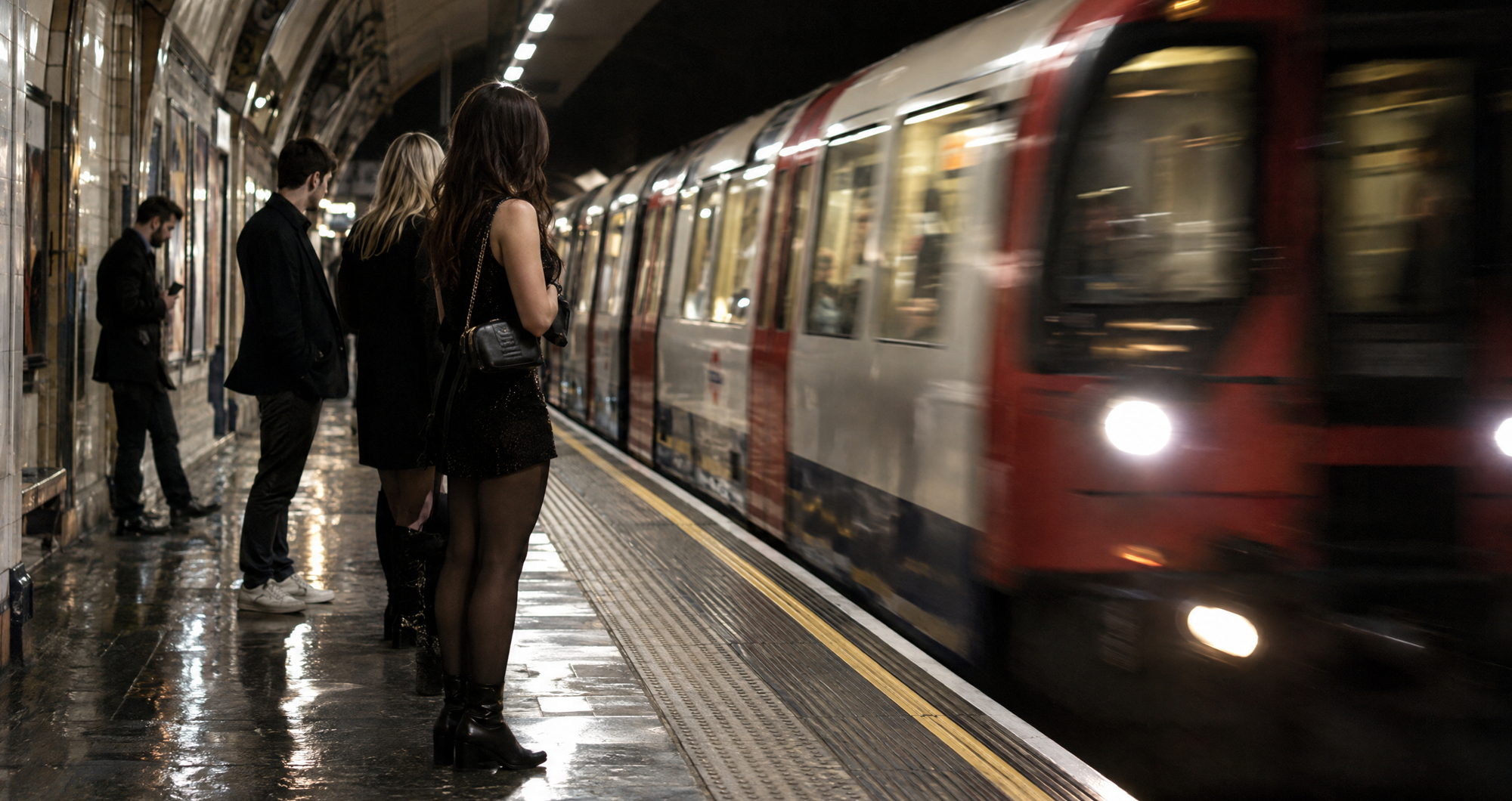

A report published by Transport for London with a partner organisation to mark the anniversary puts the average at more than 81,000 journeys a night, ten years after overnight trains began running.
The first services ran on 19 August 2016 on the Central and Victoria lines, and the network was later extended to the Jubilee, Northern and Piccadilly lines. More than 50,000 journeys were made on the opening night, and the total since launch now stands at more than 67 million.
Comparing the opening night with the present one is not like for like. Only two lines ran in August 2016, and the service reached the Jubilee, Northern and Piccadilly lines afterwards, so part of the growth in journey numbers reflects a larger network rather than busier trains on the original routes. Across ten years, the 67 million total averages at roughly 6.7 million journeys a year, and that average has risen as lines have been added.
How London compares
The report places London first of 26 European capitals for the combined strength of its nightlife and its public transport, ahead of Vienna and Paris. That ranking rests on a survey of 5,848 people across the 26 capitals, which weighed the strength of nightlife against the quality of public transport. The ranking is the partner organisation’s analysis of that survey rather than an external index, and it combines two measures, so London’s first place reflects the pairing rather than nightlife on its own.
Among Londoners questioned, 88 per cent said they had stayed out later because they knew public transport would be running. A further 77 per cent said that getting home shapes where they choose to go in the evening, which makes the journey home part of how an evening is planned.
Stations and signals
More than 70 per cent of Underground stations have 4G or 5G coverage, and coverage in tunnels is targeted for completion by the end of 2026. Signal below ground is now part of what passengers expect from a journey, and the outstanding work is concentrated in the tunnels between stations rather than on platforms.
Fifty Night Tube stations now have step-free access, including Colindale, Knightsbridge and Northolt, which have been upgraded recently. For disabled passengers, and for parents with pushchairs, the value of a late train depends on being able to reach the platform without stairs at both ends of the journey.
The fieldwork for the report included 200 members of the partner organisation’s reader panel and ran from 16 to 23 September 2026. Their answers, alongside the wider European survey, form the evidence base for the claims about behaviour rather than the operational counts, which come from Transport for London’s own data.
For the night-time economy, the anniversary is being used as an argument for further late-night investment. The figures give venue owners, hospitality employers and late-shift workers something concrete to cite when they make the case to City Hall and to boroughs, rather than relying on the general claim that the city is busier at night than it used to be.
What the report does not settle is how far the decade of overnight running has changed the pattern of demand rather than simply served it. The 88 per cent figure measures what people say about their own behaviour, and the journey totals measure what the railway carried, leaving the causal question between the two open.