

The creative industries are at the forefront of creativity and artistic expression in a time of swift technical progress. This essay examines the significant effects of the current technological revolution on artistic pursuits, ranging from the democratization of creation to the incorporation of virtual and augmented reality. As we explore how technology is transforming art, design, and the creative world as a whole, we will pay particular attention to how step and repeat banners—a mainstay of events and promotions—adopt these technological trends. Come along on an exploration of the nexus between creativity and technology, where innovation not only improves creative processes but also helps to build a future for the arts that is more inclusive, sustainable, and immersive.
Innovations in Technology Are Redefining Creativity
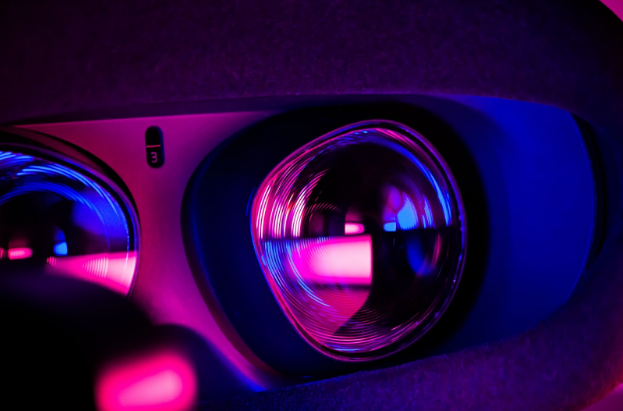
- Augmented and virtual reality (VR/AR):
- Artists are able to create immersive experiences thanks to VR and AR technologies, which also give viewers new opportunities to interact with art.
- Virtual reality is being used by galleries and museums to provide interactive exhibitions and virtual tours, removing geographical boundaries to art appreciation.
- The fields of machine learning and artificial intelligence (AI)
- By producing original artwork, helping with design projects, and even forecasting trends in the art industry, AI is impacting creative processes.
- Large-scale datasets are analyzed by machine learning algorithms to reveal audience preferences and inspire original creative thinking.
- Fabrication and 3D Printing:
- The process of creating tangible artwork, sculptures, and even architectural models has been transformed by 3D printing.
- The possibilities for artistic expression are increased when designers and artists are able to translate digital ideas into actual, complex objects. Considering the evolving role of everyday tools and consumables like HP laser toner cartridges in the artistic and design processes is also crucial. In digital printing, these cartridges facilitate high-quality, precise prints and are integral to the rapid prototyping and production of artistic works. The ability to quickly and efficiently produce vibrant, detailed graphics on various mediums is essential in today’s fast-paced creative industries.
- Collectible digital tokens and blockchain:
- By using blockchain technology to establish digital scarcity, non-fungible tokens (NFTs) are emerging as a new way to own digital art.
- Through NFTs, digital artists may make money off of their creations and offer a safe, decentralized marketplace for the purchase and sale of digital collectibles.
Trends Fueling the Creative Tech Revolution
- Platforms for Collaboration:
- Through the use of cloud-based collaboration platforms, artists and creators may collaborate with greater ease, eradicating geographical boundaries and promoting international creative networks.
- Tools for real-time collaboration improve idea sharing and the growth of interdisciplinary initiatives.
- Intense Moments at Events:
- Events and exhibitions are being revolutionized by tech-driven installations and interactive displays.
- Augmented reality-enhanced step-and-repeat banners make for interesting photo ops and add to the overall immersive experience.
- Customized User Interfaces:
- Thanks to technology, user experiences may be made more personalized and flexible by customizing content to suit each user’s tastes.
- Data analytics is used by marketers and artists to better understand consumer behaviour and produce more interesting and relevant creative material.
- Innovations in Digital Marketing:
- In order to reach a worldwide audience, the creative industries are adopting digital marketing tactics that make use of influencer partnerships, social media, and targeted advertising.
- Data-driven decision-making is made possible by the incorporation of analytics technologies while creating compelling and successful creative campaigns.
Step and Repeat Banners in the Creative Environment Infused with Technology

Photo by Marvin Meyer on Unsplash
Step-and-repeat banners have changed to incorporate technology in the context of events and marketing campaigns, following the general developments in the creative industries:
- Augmented Reality Branding: By adding augmented reality components to step-and-repeat banners, eventgoers can have a more engaging and unforgettable experience.
- Precision in Digital Printing: Thanks to technological developments, step and repeat banners can now have intricate, high-quality images that make for visually striking presentations.
- Customization and Fast Turnaround: Step and repeat banners may be quickly and affordably customized to meet particular branding specifications and event themes thanks to technology.
- Online Design Tools: By using online design tools, users can quickly and efficiently develop and preview their step-and-repeat banners, guaranteeing a visually striking final product.
Eco-Friendly Advances in Creative Technology
Photo by SIMON LEE on Unsplash
Sustainability activities are also being driven by the tech revolution in the creative sectors. Technology is a major factor in reducing the negative environmental effects of creative practices, from eco-friendly materials used in 3D printing to energy-efficient digital displays at events. Physical materials are no longer as necessary thanks to digital platforms, and blockchain technology guarantees transparent and long-lasting supply chains for designers and artists. A more responsible and ecologically friendly future for the creative arts is being shaped by the combination of technology and eco-conscious practices, which is becoming more and more prevalent in the creative sector as it embraces sustainability. Within the dynamic field of creative industries, the combination of technology and artistic expression is a cultural movement rather than just a fad. The lines separating traditional and digital art are blurring as we go through the digital age, creating new opportunities for interactive experiences, cooperative projects, and narrative. The combination of creativity and technology expands the collective imagination into new realms and enhances the impact of individual artistic voices.







